
A Comprehensive Guide to Construction Permitting: Process, Requirements, and Best Practices
Introduction
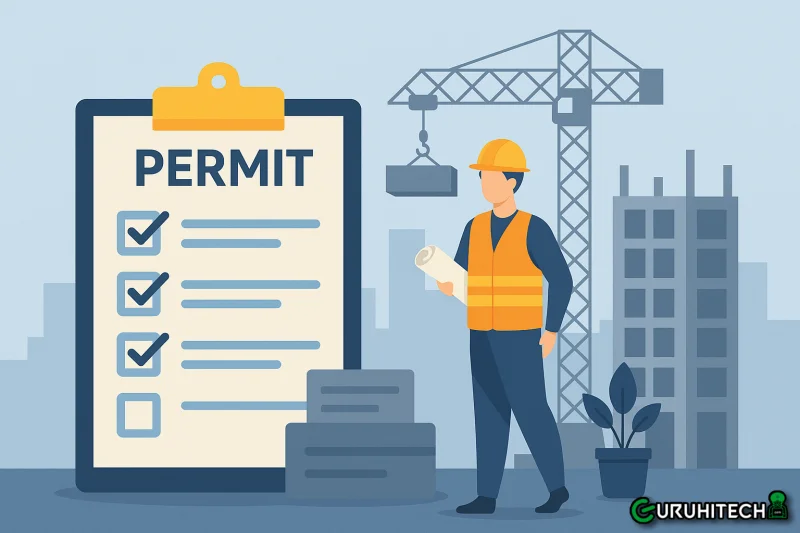
Construction projects, whether residential, commercial, or industrial, require careful planning and adherence to legal regulations, and one of the most critical aspects of starting any project is understanding construction permitting. Obtaining the correct permits ensures that the project complies with building codes, zoning laws, and safety standards.
Construction permitting acts as a formal approval from regulatory authorities, allowing developers, contractors, and property owners to begin construction or renovation work while maintaining compliance with laws designed to protect both the property and the community. Beyond legality, permits help verify the structural integrity of the design, ensure proper electrical and plumbing systems, maintain fire safety, and safeguard environmental standards, making them an indispensable part of responsible construction.
The Importance of Construction Permitting
The importance of construction permitting extends beyond simple legal adherence. Without proper permits, a construction project can face significant consequences, including fines, work stoppages, or even forced demolition of completed work. Permits play a crucial role in maintaining safety on the job site, protecting workers, future occupants, and the surrounding community.
They also contribute to preserving property value, as projects completed with all necessary permits are more likely to pass future inspections and retain market value. Additionally, insurance companies frequently require evidence of proper permitting for coverage related to construction incidents. Construction permitting also often includes environmental considerations, helping to ensure that development occurs responsibly and sustainably.
The Construction Permitting Process
The process of obtaining construction permits typically involves several stages, each designed to ensure compliance with regulations and standards. Initially, detailed planning and design development are required, including architectural and engineering plans, structural calculations, and sometimes environmental assessments. A complete and accurate design helps facilitate a smoother permitting process and minimizes the risk of revisions or delays.
Following the planning phase, the permit application is submitted to the relevant regulatory authority along with supporting documents and fees. Authorities then review the application carefully, comparing submitted plans to building codes, zoning requirements, and safety standards. This review may prompt requests for clarifications or modifications, which are necessary to achieve full compliance. Once the plans meet all requirements, the construction permit is issued, formally allowing construction to proceed. It is essential to maintain the permit on-site, as inspections may occur at any stage of the project.
During construction, periodic inspections monitor adherence to the approved plans, checking structural elements, plumbing, electrical systems, and fire safety measures. Any non-compliance must be corrected before proceeding. After the project is completed and all inspections are passed, final approval or occupancy certification confirms that the construction complies fully with permitting requirements and is safe for use.
Common Requirements for Construction Permitting
The specific requirements for construction permitting vary depending on the type and scope of the project but generally include:
- A detailed site plan showing the proposed construction
- Building plans with architectural and engineering details
- Zoning approval to ensure compliance with local land use regulations
- Environmental assessments to measure potential impacts
- Payment of required fees
Proper preparation and attention to detail during the application phase can significantly reduce delays and streamline the approval process.
Challenges in Construction Permitting
Challenges in obtaining construction permits often arise from complex regulations, incomplete documentation, project modifications that necessitate re-approval, or failed inspections. Anticipating these challenges and proactively addressing potential issues can help maintain project timelines and prevent costly interruptions. Contractors and property owners who engage professionals and maintain organized documentation are better positioned to navigate these hurdles successfully.
Best Practices for Construction Permitting
Adopting best practices during the permitting process is essential for smooth project execution. Early engagement with permitting authorities allows sufficient time to address requirements and obtain approvals before construction begins. Employing professionals such as architects, engineers, or permit consultants ensures that submitted plans are accurate and comply with all regulations.
Maintaining detailed documentation, including precise construction drawings and supporting materials, helps prevent delays caused by missing or unclear information. Open communication with permitting offices facilitates prompt resolution of questions or issues, while regular internal compliance checks throughout construction help avoid inspection failures and work stoppages.
Modern technology further supports efficient construction permitting by enabling online applications, digital plan submissions, and virtual inspections, all of which reduce paperwork, accelerate approval timelines, and allow for better monitoring of project compliance.
Conclusion
Understanding and obtaining construction permitting in Dunedin is a critical aspect of any construction project. Proper permits ensure legal compliance, uphold safety standards, protect property value, and promote responsible construction practices.
A structured approach planning and developing detailed designs, submitting complete applications, complying with inspections, and adhering to regulations facilitates smooth project execution. Following best practices, seeking professional guidance, and utilizing technological tools can enhance efficiency, minimize delays, and prevent costly mistakes.
Whether undertaking a minor renovation or a large-scale development, attention to construction permitting is essential to achieving a successful, compliant, and safe construction outcome. Proper management of construction permitting is more than a legal formality; it reflects a commitment to quality, safety, and accountability throughout the construction process.
Ti potrebbe interessare:
Segui guruhitech su:
- Google News: bit.ly/gurugooglenews
- Telegram: t.me/guruhitech
- X (Twitter): x.com/guruhitech1
- Bluesky: bsky.app/profile/guruhitech.bsky.social
- GETTR: gettr.com/user/guruhitech
- Rumble: rumble.com/user/guruhitech
- VKontakte: vk.com/guruhitech
- MeWe: mewe.com/i/guruhitech
- Skype: live:.cid.d4cf3836b772da8a
- WhatsApp: bit.ly/whatsappguruhitech
Esprimi il tuo parere!
Ti è stato utile questo articolo? Lascia un commento nell’apposita sezione che trovi più in basso e se ti va, iscriviti alla newsletter.
Per qualsiasi domanda, informazione o assistenza nel mondo della tecnologia, puoi inviare una email all’indirizzo [email protected].
Scopri di più da GuruHiTech
Abbonati per ricevere gli ultimi articoli inviati alla tua e-mail.