
Advantages and Disadvantages of Carbon Steel Pipes
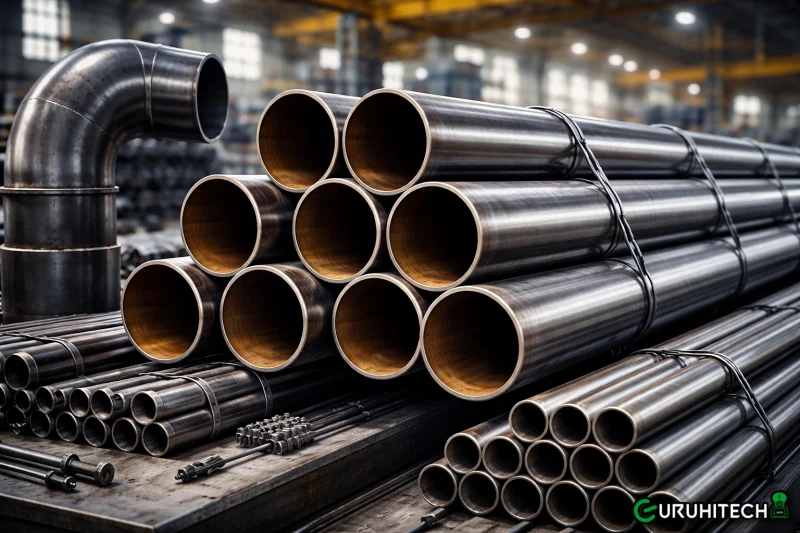
Carbon steel pipes are very common in many industries. They are made mostly from iron with a small amount of carbon, usually less than 2%. This makes them strong and useful for things like oil transport, water lines, construction, and more. But like any material, they have good points and bad points. This article looks at both sides in a simple way to help you decide if they fit your needs.
What Are Carbon Steel Pipes?
Carbon steel pipes come in different types based on carbon amount: low (under 0.3%), medium (0.3% to 0.6%), and high (over 0.6%). Low carbon ones are easier to shape and weld. Medium ones balance strength and toughness. High ones are very hard but can be brittle.
These pipes follow standards like ASTM A106 or API 5L. They work well for carrying fluids under pressure or in structures. Many people choose them because they are easy to find and do the job in everyday projects.
Main Advantages of Carbon Steel Pipes
One big plus is their strength. Carbon steel pipes handle high pressure and heavy loads without breaking easily. This makes them great for oil and gas pipelines or high-pressure systems.
They are also very durable. In normal conditions, they last a long time with little wear. Heat treatment can make them even harder and better at resisting scratches or damage.
Cost is another strong point. Raw materials are common and cheap to get. This keeps the price low compared to stainless steel or special alloys. For big projects, this saves a lot of money.
They are easy to work with. You can cut, bend, weld, and shape them without much trouble. This helps in factories or on job sites where quick changes are needed.
Versatility is key, too. Carbon steel pipes are used for many applications: from building frames and plumbing to boilers, heat exchangers, and power plants. They handle heat well in many cases and carry fluids like water, oil, or gas.
They are recyclable, which is good for the environment. Old pipes can be melted down and used again without losing much quality.
In short, if you need tough, affordable pipes for standard jobs, carbon steel often wins.
Main Disadvantages of Carbon Steel Pipes
The biggest issue is corrosion. Carbon steel rusts when it meets water, air, or chemicals. In wet places or with acids, rust eats away at the pipe. This can cause leaks, weak spots, or even failure over time.
To fight this, you often add coatings like paint, zinc (galvanizing), or epoxy. Or you use extra treatments. But these add cost and need regular checks to make sure they still work.
Welding can be tricky. Higher carbon makes cracks more likely during welding. You need careful control, good techniques, and sometimes extra steps to get strong joints.
In very high heat, they lose strength. Above certain temperatures, the pipe can soften, deform, or oxidize. This limits use in extreme hot spots without special grades.
Low temperatures make them brittle, too. In cold weather, they can crack more easily under stress.
They are heavier than some other materials, such as plastic. This makes handling and installing harder, especially for big sizes.
For very corrosive spots, like chemical plants or seawater, carbon steel needs a lot of protection. Stainless steel or other options might work better there.
Maintenance is higher because of rust risks. You have to inspect often, clean, and recoat to keep them safe.
When to Use Carbon Steel Pipes
Use them when strength and low cost matter most. They shine in oil and gas lines, water supply, construction supports, and industrial transport where pressure is high but corrosion is low or controlled.
Add coatings for outdoor or wet areas. Choose low carbon for easy forming or high carbon for wear resistance.
Avoid them in super corrosive or extreme temp places unless you protect them well.
How to Reduce the Disadvantages
Good planning helps a lot. Pick the right grade for your job. Use protective coatings from the start. Do regular inspections and maintenance to catch rust early.
Galvanizing or lining adds years to life in tough spots. Follow standards during welding to avoid weak points.
Suppliers who know their stuff can guide you on the best options.
For more details on quality pipes and choices, check out UNIASEN. They offer good products and info to help with your projects.
Conclusion
Carbon steel pipes give great strength, low cost, and easy use for many jobs. They are a top pick in construction, energy, and manufacturing because they perform well without breaking the bank.
But watch out for rust, welding care, and limits in heat or cold. With proper protection and checks, you can get long, reliable service.
Think about your specific needs: pressure, environment, budget. Carbon steel works great in lots of cases when handled right. It stays popular for good reasons.
Ti potrebbe interessare:
Segui guruhitech su:
- Google News: bit.ly/gurugooglenews
- Telegram: t.me/guruhitech
- X (Twitter): x.com/guruhitech1
- Bluesky: bsky.app/profile/guruhitech.bsky.social
- GETTR: gettr.com/user/guruhitech
- Rumble: rumble.com/user/guruhitech
- VKontakte: vk.com/guruhitech
- MeWe: mewe.com/i/guruhitech
- Skype: live:.cid.d4cf3836b772da8a
- WhatsApp: bit.ly/whatsappguruhitech
Esprimi il tuo parere!
Ti è stato utile questo articolo? Lascia un commento nell’apposita sezione che trovi più in basso e se ti va, iscriviti alla newsletter.
Per qualsiasi domanda, informazione o assistenza nel mondo della tecnologia, puoi inviare una email all’indirizzo guruhitech@yahoo.com.
Scopri di più da GuruHiTech
Abbonati per ricevere gli ultimi articoli inviati alla tua e-mail.