
Common Environmental Issues Found During Property Inspections
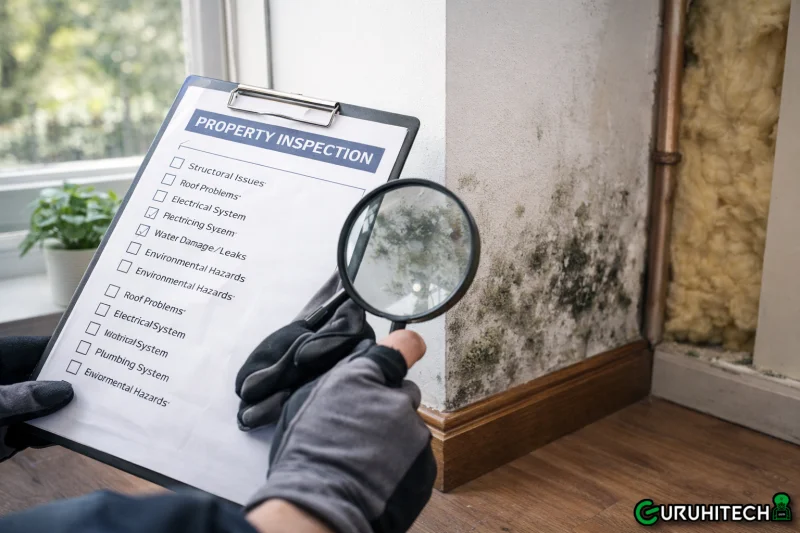
Property inspections frequently reveal environmental hazards that compromise indoor air quality, structural integrity, and occupant health.
Understanding common environmental issues helps buyers, sellers, and property managers address problems proactively before they escalate into costly remediation projects or health emergencies.
Environmental assessments have become essential components of comprehensive property evaluations in residential and commercial real estate transactions.
Why Environmental Issues Matter in Property Transactions
Environmental problems discovered during inspections can derail real estate transactions, reduce property values, and create long-term liability for owners and occupants.
Identifying these issues early allows for informed decision-making about purchase negotiations, remediation costs, and future maintenance requirements.
Professional assessment of concerns like different types of mold in bathroom areas and throughout properties ensures buyers understand the full scope of environmental conditions before completing transactions.
Common consequences of undetected environmental issues:
- Failed real estate transactions when buyers discover problems during due diligence
- Reduced property values requiring price reductions or seller concessions
- Health problems for occupants exposed to mold, asbestos, or other contaminants
- Expensive emergency remediation when problems escalate without intervention
- Insurance complications including coverage denials for pre-existing conditions
- Regulatory violations and fines for non-compliance with environmental laws
Mold Growth and Moisture Intrusion Problems
Mold represents the most frequently encountered environmental issue during property inspections, appearing in bathrooms, basements, attics, and anywhere moisture accumulates.
Even minor moisture problems can create extensive mold growth within 24-48 hours, making early detection and correction critical.
Visible Mold on Walls and Ceilings
Surface mold appears as discolored patches ranging from black and green to white and orange, often accompanied by musty odors.
These visible colonies indicate moisture problems that may extend deeper into wall cavities and structural materials.
Hidden Mold Behind Walls and Flooring
Concealed mold growth within wall cavities, under flooring, and behind baseboards often goes undetected until inspections or renovations reveal extensive damage.
Moisture meters, thermal imaging cameras, and visual indicators like water stains help inspectors identify hidden mold locations.
Bathroom and Kitchen Moisture Issues
Poor ventilation in bathrooms and kitchens creates persistent humidity that promotes mold growth on grout, caulking, ceilings, and within cabinetry.
Exhaust fans venting into attics rather than outdoors compound problems by trapping moisture in enclosed spaces.
Basement and Crawl Space Dampness
Below-grade spaces experience elevated moisture from groundwater intrusion, poor drainage, and condensation on cool surfaces during humid weather.
Dirt crawl spaces without vapor barriers allow soil moisture to migrate into structures, creating ideal mold growth conditions.
Proper waterproofing, drainage systems, and dehumidification prevent moisture accumulation in these vulnerable areas.
Attic Condensation and Ventilation Failures
Inadequate attic ventilation allows warm, moist air to condense on cold roof sheathing, creating water droplets that support mold growth. Ice dams in cold climates and improper bathroom vent terminations exacerbate attic moisture problems.
The International Code Council building codes specify minimum ventilation ratios to prevent condensation-related problems in attic spaces.
HVAC System Contamination
Air conditioning coils, drain pans, and ductwork provide dark, moist environments where mold proliferates and then distributes spores throughout buildings.
Dirty filters, standing water in drain pans, and poor system maintenance create conditions favoring microbial growth.
Plumbing Leaks and Water Damage
Slow leaks from pipes, toilets, washing machines, and water heaters create chronic moisture that supports ongoing mold growth.
These leaks often go unnoticed for months or years, allowing extensive damage to flooring, subflooring, and wall materials.
Water damage restoration requires not just leak repair but complete drying and mold remediation to prevent recurring problems.
Asbestos-Containing Materials in Older Properties
Asbestos remains present in millions of properties built before the 1980s when the material was commonly used in construction products.
Identification of asbestos-containing materials during inspections allows for appropriate management, encapsulation, or removal before renovations disturb these hazardous fibers.
The Occupational Safety and Health Administration regulates asbestos handling, requiring licensed professionals for assessment and abatement activities.
Pipe and Boiler Insulation
Corrugated paper wrapping and white fibrous material covering pipes and boilers in older buildings frequently contain asbestos fibers.
Deteriorating pipe insulation releases friable asbestos that becomes airborne and poses serious inhalation risks.
Any work involving these systems requires asbestos testing before disturbing materials that could contain dangerous fibers.
Floor Tiles and Vinyl Sheet Flooring
Nine-inch square floor tiles and vinyl sheet flooring with paper backing manufactured before 1980 commonly contain asbestos.
The adhesive mastic used to install these materials also frequently contains asbestos, creating exposure risks during removal.
The Environmental Protection Agency recommends leaving intact asbestos flooring undisturbed or covering it rather than removal when possible.
Popcorn Ceiling Texture
Textured ceiling finishes applied before the mid-1980s often incorporated asbestos fibers for fire resistance and acoustic properties.
Testing is the only reliable way to determine asbestos presence, as visual identification proves impossible.
Removal of asbestos-containing ceiling texture requires professional abatement rather than DIY scraping that would release massive fiber quantities.
Roofing and Siding Materials
Asbestos cement shingles, corrugated roofing panels, and siding products remain on many older properties despite being brittle and deteriorated.
These materials become increasingly friable with age and weathering, releasing fibers when damaged or removed.
Vermiculite Attic Insulation
Vermiculite insulation, particularly Zonolite brand material, often contains tremolite asbestos contamination from the Libby, Montana mine that supplied most U.S. vermiculite.
This insulation appears as a small, lightweight, pebble-like material typically gray-brown or silver-gold in color.
The U.S. Consumer Product Safety Commission advises against disturbing vermiculite insulation without professional asbestos testing and potential abatement.
Window Glazing and Caulking Compounds
Putty used for window glazing and flexible caulking materials in older buildings frequently contain asbestos fibers for durability and flexibility.
Removal or disturbance during window replacement projects can release these fibers if proper precautions are not taken.
Testing suspected materials before renovation work protects both workers and occupants from asbestos exposure.
Lead-Based Paint and Contamination
Lead paint remains present in approximately 24 million housing units built before 1978 when lead was banned from residential paints.
Deteriorating lead paint creates toxic dust that poses serious health risks, particularly to young children whose developing brains are especially vulnerable.
Chipping and Peeling Paint Surfaces
Deteriorating lead paint on walls, ceilings, trim, and exterior surfaces generates lead dust and paint chips that children may ingest.
Friction surfaces like windows and doors create particularly high lead dust levels through repeated opening and closing.
Visual inspection identifies peeling paint, but laboratory testing determines whether paint contains hazardous lead levels.
Renovation and Remodeling Hazards
Sanding, scraping, or demolishing surfaces coated with lead paint generates enormous quantities of lead dust that contaminates entire properties.
Improper renovation practices in pre-1978 homes create acute lead poisoning risks for occupants and workers.
The EPA’s Lead Renovation, Repair, and Painting Rule requires certified renovators using lead-safe work practices in affected properties.
Soil Contamination from Exterior Paint
Decades of weathering and paint removal activities deposit lead-contaminated paint particles in soil around building perimeters.
Children playing in contaminated soil and tracking dust indoors face significant lead exposure from this pathway.
Soil testing near older painted structures identifies contamination requiring remediation or barriers preventing contact.
Lead in Plumbing and Water Systems
Lead pipes, solder, and fixtures in older plumbing systems leach lead into drinking water, particularly in areas with corrosive water chemistry.
The Flint, Michigan water crisis demonstrated how infrastructure changes can mobilize lead from existing plumbing systems.
Water testing is the only reliable method for detecting lead contamination in drinking water supplies.
Radon Gas Infiltration
Radon, a naturally occurring radioactive gas, enters buildings through foundation cracks, sump pumps, and other soil-to-interior pathways.
This colorless, odorless gas represents the second leading cause of lung cancer after smoking according to the Environmental Protection Agency.
Testing is the only way to determine radon levels, as the gas cannot be detected by human senses.
Key facts about radon in properties:
- Radon levels vary dramatically between adjacent properties due to soil composition and building construction differences
- The EPA recommends remediation when radon levels exceed 4 picocuries per liter (pCi/L)
- Simple mitigation systems can reduce radon levels by up to 99% in most properties
- Radon testing should occur during property inspections, particularly in high-risk geographic areas
- Sealed foundation cracks, sub-slab depressurization, and ventilation improvements reduce radon infiltration
- Long-term testing provides more accurate radon level assessment than short-term screening tests
- New construction should incorporate radon-resistant features in high-prevalence areas
| Environmental Issue | Inspection Methods | Health Risks | Typical Remediation Cost |
| Mold Growth | Visual inspection, moisture meters, air sampling | Allergies, respiratory problems, infections | $500-$6,000+ depending on extent |
| Asbestos Materials | Visual identification, laboratory testing | Lung cancer, mesothelioma, asbestosis | $1,500-$30,000+ for abatement |
| Lead Paint | XRF testing, paint chip analysis, dust sampling | Neurological damage, developmental delays | $8,000-$15,000+ for full abatement |
| Radon Gas | Short-term or long-term air testing | Lung cancer from long-term exposure | $800-$2,500 for mitigation system |
Indoor Air Quality and Ventilation Issues
Poor ventilation and indoor air quality problems create environments where contaminants accumulate to levels harmful for occupants. Modern energy-efficient construction that minimizes air exchange can trap pollutants, moisture, and odors without adequate mechanical ventilation.
Common indoor air quality concerns:
- Carbon monoxide from improperly vented combustion appliances
- Volatile organic compounds off-gassing from building materials and furnishings
- Inadequate fresh air exchange creating stale, contaminated indoor environments
- HVAC systems distributing rather than filtering airborne contaminants
- High humidity levels exceeding 60% that promote mold growth and dust mites
- Particulate matter from construction dust, pollen, and outdoor pollution
- Chemical odors from cleaning products, pesticides, and hobby materials
- Biological contaminants including bacteria, viruses, and allergens
Conclusion
Environmental issues discovered during property inspections range from minor moisture problems to serious contamination requiring extensive remediation.
Professional environmental assessments protect buyers from unexpected costs while helping sellers address problems that could derail transactions or create liability.
Scopri di più da GuruHiTech
Abbonati per ricevere gli ultimi articoli inviati alla tua e-mail.