
Commonly Used Surgical Instruments in Operating Rooms
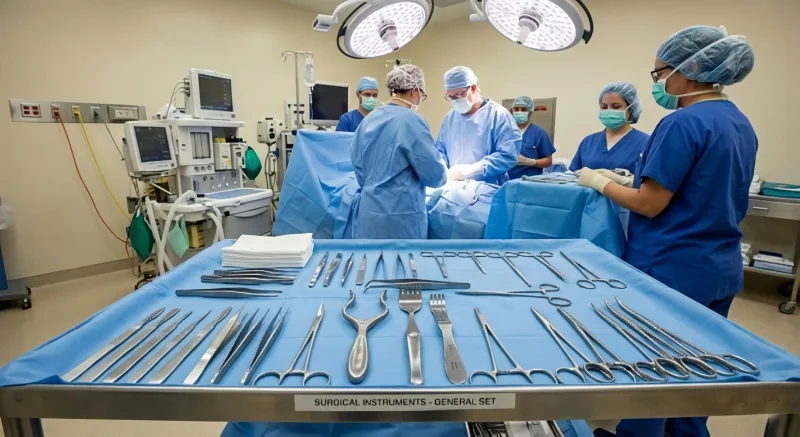
Introduction to Surgical Instruments
Visit any operating room, and you’ll see something immediately: precision. Every move is carefully planned, each tool serves a purpose, and each instrument plays a quiet but vital role in saving patients’ lives. The instruments used in surgery aren’t just pieces of metal; they’re an extension of a surgeon’s hands.
Why Surgical Instruments Matter in Modern Surgery
Imagine fixing the watch using gardening tools. You think it’s impossible, but is it? Surgery isn’t any different. A good instrument guarantees precision, reduces tissue damage, and speeds up recovery for patients. High-quality surgeons perform complex operations with confidence and ease.
Role of Precision and Quality in Operating Rooms
Operating room-wise, there is no space for errors. The instruments must be accurate, sturdy, long-lasting, ergonomic, and trustworthy. This is why trusted companies such as Peak Surgical, recognized for its wide selection of surgical instruments, can make an impact by offering instruments that meet the highest medical standards.
Classification of Surgical Instruments
To understand the variety of surgical instruments, they are generally classified by purpose.
Cutting and Dissecting Instruments
They are the instruments used to begin the majority of surgical procedures.
Scalpels
Scalpels are surgeons’ preferred cutting instruments. With razor-sharp blades, they permit precise incisions while causing minimum trauma to the surrounding tissue. Different blade designs meet various surgical requirements.
Surgical Scissors
Starting from delicate cuts to tissue through to tougher materials such as sutures. These scissors are available in a variety of styles, including Mayo or Metzenbaum cutters, all crafted to specific jobs.
Grasping and Holding Instruments
These instruments help surgeons hold needles, tissues, or dressings securely.
Forceps
Forceps are similar to surgical tweezers, providing accuracy and control. They can be used to hold tissue or remove debris; forceps are required in almost all surgeries.
Needle Holders
Made specifically for suturing, needle holders provide a secure grip on needles, ensuring the smoothest, most precise stitching.
Clamping and Occluding Instruments
These devices help control bleeding and regulate blood flow.
Hemostats
Hemostats can clamp blood vessels to stop bleeding during surgical procedures. They are essential for maintaining an open surgical field.
Vascular Clamps
Used in general and cardiovascular surgery, vascular clamps temporarily block blood flow to allow surgeons to perform their work safely.
Retracting and Exposing Instruments
The ability to see is crucial in surgery.
Handheld Retractors
These require manual handling and can be used to gently retract tissue, providing surgeons with an unobstructed view of the surgical area.
Self-Retaining Retractors
They remain in place with no need for constant care, thereby freeing the surgical team’s hands.
Suturing and Stapling Instruments
The process of securing wounds is as crucial as the incision itself. Suturing instruments ensure wounds heal properly and reduce the risk of infection.
Commonly Used Surgical Instruments Explained
Let’s take a look at the equipment you’ll see in nearly every operating space.
Scalpels – The Surgeon’s Primary Tool
Scalpels are instruments designed to make clean, controlled cuts. Consider them like the pen for writers — easy but robust.
Forceps – Precision at Your Fingertips
Forceps are available in a variety of configurations, including tissue forceps and dressing forceps. The fine tips of these instruments allow surgeons to manipulate delicate tissues with ease.
Scissors – Controlled Cutting
Surgical scissors are designed to provide balance and sharpness, ensuring an even cut without tearing tissue.
Hemostats – Controlling Bleeding
Controlling bleeding is essential. Hemostats are like clamps for tiny blood vessels, securing them until they are sealed.
Retractors – Creating Visibility
Retractors restrict tissue movement, so surgeons know exactly what they’re doing. Without them, surgical procedures are like working in the dark.
Needle Holders – Secure Suturing
These instruments are specifically designed to securely hold needles, enabling surgeons to make sutures with precision and speed.
Suction Instruments
Suction tools are used to remove fluids and blood, keeping the surgical site neat and clear throughout the procedure.
Dilators and Probes
Utilized to investigate or expand openings, drills, dilators, and probes assist surgeons in safely navigating the internal pathways.
Materials Used in Surgical Instruments
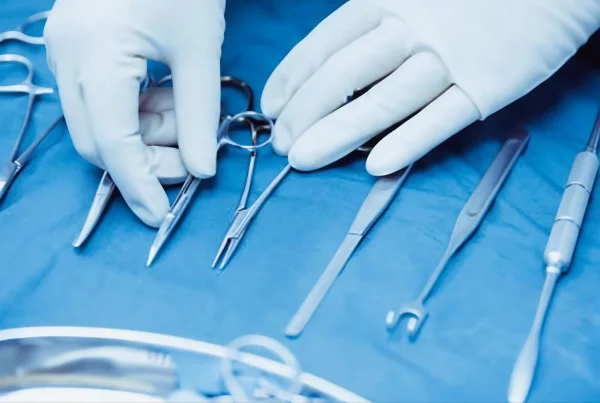
The effectiveness of surgical instruments is largely determined by the material used.
Stainless Steel
Steel is the most commonly used material due to its strength, corrosion resistance, and ease of sterilization.
Titanium
Titanium instruments are light and sturdy, reducing fatigue after long processes.
Specialized Alloys and Coatings
The latest coatings, alloys, and materials enhance the sharpness of your product, reduce glare, and extend the longevity of your equipment.
Importance of Instrument Quality in Operating Rooms
High-quality instruments aren’t just a luxury; they’re an absolute necessity.
Patient Safety and Surgical Outcomes
High-end instruments reduce the risk of infection, complications, and surgical errors, directly affecting patient outcomes.
Surgeon Efficiency and Comfort
Ergonomically designed instruments improve control and grip, allowing surgeons to work longer while experiencing less fatigue.
Sterilization and Maintenance of Surgical Instruments
Even the most sophisticated instruments require regular maintenance.
Common Sterilization Methods
Chemical sterilization, autoclaving, and ultrasonic cleaning are all employed to keep instruments clean and safe.
Proper Handling and Storage
Proper storage can prevent damage, prolong your instrument’s life, and ensure consistent performance.
Why Peak Surgical Is a Trusted Name
When it is about surgical instruments, it is important to be dependable.
Comprehensive Range of Surgical Instruments
Peak Surgical sells all types of surgical instruments, including general surgery, orthopedic,s, dent,istry, and other specialized procedures.
Commitment to Quality and Innovation
Every instrument is made with precision and meets the highest international quality standards.
Global Trust Among Medical Professionals
Hospitals and surgeons worldwide trust Peak Surgical for consistent quality and performance.
Future Trends in Surgical Instruments
The field of surgery continues to develop.
Smart and Minimally Invasive Instruments
Modern instruments are becoming smarter, allowing procedures that require minimal intervention to be performed with greater accuracy.
Ergonomic and Surgeon-Friendly Designs
Future designs are focused on user comfort by reducing strain and increasing control.
Conclusion
The surgical instruments are the foundation of any successful procedure. From scalpels to retractors, every tool plays an important function in ensuring precision, safety, and effectiveness in the operating room. Selecting high-quality equipment isn’t just about performance. It’s about patient care. With trusted providers such as Peak Surgical, medical professionals have access to a comprehensive selection of high-quality, reliable, and well-designed surgical instruments that meet the needs of modern medical practices.
Frequently Asked Questions (FAQs)
1. Which are some of the frequently utilized surgical instruments used within the operating room?
The scales, hemostats, forceps, scissors, and retractors, as well as needle holders, make up the majority of the frequently used instruments.
2. How come stainless steel is so widely employed to make surgical instruments?
It is tough, corrosion-resistant, and easy to sterilize, making it perfect for use in the medical field.
3. What is the recommended frequency for surgical tools to be sterilized?
Surgical instruments should be sterilized after each use to ensure patient safety.
4. What is it that makes Peak Surgical a reliable supplier?
Peak Surgical offers a comprehensive range of high-quality surgical instruments that comply with international standards.
5. Modern surgical instruments have been made to be ergonomic.
Yes, modern instruments prioritize ergonomic design to reduce fatigue and improve precision.
Scopri di più da GuruHiTech
Abbonati per ricevere gli ultimi articoli inviati alla tua e-mail.