
Energy-Efficient Architectural Glass Materials
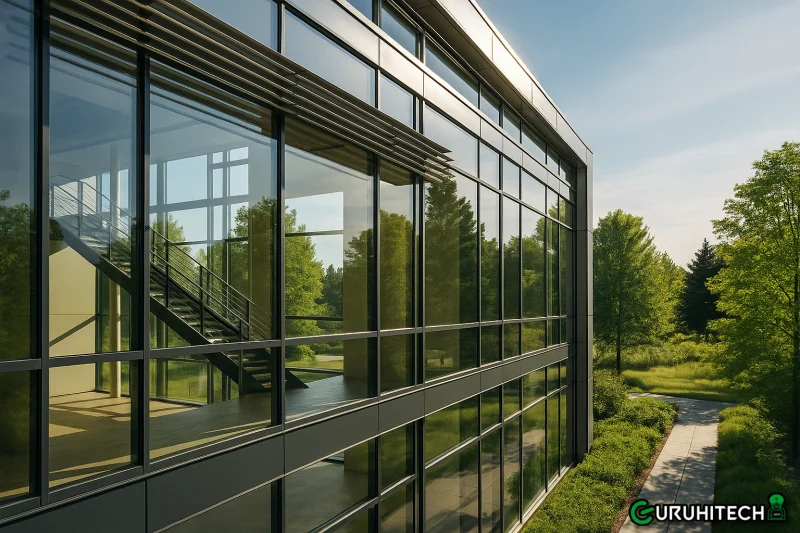
Glass has transformed the skylines of modern cities. We see shimmering towers and transparent facades everywhere. But glass has traditionally been a weak point for energy conservation. It lets heat escape in winter and invites too much solar heat in summer. This is changing rapidly. New technologies are making glass a smart, active part of building performance.
Architects now have access to materials that balance transparency with thermal efficiency. These innovations help buildings meet strict environmental standards. They also improve the comfort of the people inside. When selecting the right glazing for a project, working closely with a specialized architectural glass manufacturer ensures you get the best performance for your specific climate. Let’s explore the materials that are redefining sustainable architecture.
Why Energy Efficiency Matters in Glass
Buildings consume a massive amount of global energy. A large portion of this energy goes toward heating, cooling, and lighting. Windows and facades are often the primary source of energy loss.
Reducing HVAC Loads
Inefficient windows force heating and cooling systems to work harder. This leads to higher electricity bills and increased carbon emissions. Energy-efficient glass acts as a barrier. It keeps conditioned air inside and extreme temperatures outside. This reduces the load on HVAC equipment, extending its lifespan.
enhancing Occupant Comfort
Nobody likes sitting near a drafty window in January. Likewise, direct sun in July can make an office unbearable. Advanced glass materials regulate interior temperatures. They eliminate hot spots and cold zones near windows. This creates a consistent, comfortable environment for working or living.
Key Technologies in Energy-Efficient Glass
The science behind modern glazing is sophisticated. Manufacturers use various coatings, gases, and structural changes to improve performance. Here are the most effective technologies available today.
Low-Emissivity (Low-E) Coatings
Low-E glass is the industry standard for energy efficiency. It features a microscopically thin coating of metal or metallic oxide. This layer is virtually invisible to the naked eye but highly reflective of heat.
Hard-Coat vs. Soft-Coat
There are two main types of Low-E coatings. Hard-coat Low-E is applied while the glass is still semi-molten. It is durable and often used in storm windows. Soft-coat Low-E is applied later in a vacuum chamber. It offers better thermal performance but is more delicate. Soft-coat glass must be sealed inside an insulated glass unit (IGU) to protect the coating from air and moisture.
How It Works
Low-E coatings reflect infrared light. In the winter, they reflect interior heat back into the room. In the summer, they reflect solar heat away from the building. Yet, they still allow visible light to pass through. This dual action saves energy year-round.
Insulating Glass Units (IGUs)
Single-pane glass is rarely used in modern construction due to poor insulation. IGUs consist of two or more panes of glass separated by a spacer.
Triple Glazing
Double glazing is common, but triple glazing is gaining traction. It adds a third pane of glass, creating two insulating cavities instead of one. This significantly improves the U-value, which measures heat transfer. A lower U-value means better insulation. Triple glazing is especially beneficial in very cold climates.
Inert Gas Fills
The space between glass panes is not just empty air. Manufacturers fill it with inert gases like argon or krypton. These gases are denser than air. They slow down the transfer of heat through the unit. Argon is the most cost-effective option. Krypton offers higher performance but costs more. Using these gases boosts the overall R-value of the window.
Vacuum Insulated Glazing (VIG)
Vacuum glazing is a cutting-edge technology. It mimics the concept of a thermos bottle. Two sheets of glass are separated by a tiny gap, usually less than a millimeter. The air is evacuated to create a vacuum.
Since heat cannot travel through a vacuum by conduction or convection, VIG offers incredible insulation. It provides the performance of triple glazing in a much thinner profile. This makes it ideal for renovations where thick triple-paned units won’t fit. It is also lighter, reducing the structural load on the building.
Dynamic or Smart Glass
Smart glass changes its properties based on environmental conditions or user input. It is no longer just a static barrier.
Electrochromic Glass
This glass tints on demand. A small electrical voltage causes ions to move between layers in the glass coating. The glass changes from clear to dark blue. This blocks glare and solar heat gain without needing blinds. Users can control the tint level via a smartphone app or building management system.
Thermochromic Glass
This material responds to heat automatically. When direct sunlight hits the glass and warms it up, it darkens. As the sun moves or clouds cover the sky, the glass clears again. It requires no electrical wiring, making installation simpler. It is a passive system that actively manages solar gain.
Critical Performance Metrics
To choose the right glass, you must understand the ratings. These numbers tell you exactly how the material will perform.
U-Value (Thermal Transmittance)
This measures how much heat escapes through the glass. A lower number is better. Standard single glazing has a U-value around 5.8. Advanced triple glazing with gas fills can reach U-values as low as 0.6.
Solar Heat Gain Coefficient (SHGC)
SHGC measures how much solar radiation passes through the glass. The scale runs from 0 to 1. In hot climates, you want a low SHGC to block heat. In cold climates, a higher SHGC might be desirable to harvest free passive solar heat.
Visible Light Transmittance (VLT)
This measures how much natural light gets through. You want high VLT to reduce the need for artificial lighting. However, heavily tinted or reflective glass will lower this number. The goal is to find a balance between light intake and heat rejection.
Applications in Modern Architecture
Energy-efficient glass is versatile. It shapes everything from residential homes to massive commercial hubs.
High-Rise Curtain Walls
Skyscrapers present a unique challenge. They have huge surface areas exposed to the sun. Without high-performance glass, these buildings would be greenhouses. Architects use spectrally selective Low-E coatings here. These coatings block heat but let in light. This reduces the cooling load on the tower’s massive chiller systems.
Residential Passive Houses
The “Passive House” standard requires ultra-low energy consumption. Windows are critical components here. Builders use triple-glazed units with warm-edge spacers. These spacers are made of plastic or foam rather than metal. They prevent heat loss around the edges of the window pane.
Historic Retrofits
Updating historic buildings is tricky. You cannot change the look of the facade. Vacuum glazing is perfect for this. It fits into existing narrow window frames. It provides modern insulation without altering the building’s historic character.
The Future of Sustainable Glass
Innovation in glass manufacturing is accelerating. Researchers are pushing the boundaries of what glass can do.
Photovoltaic Glass
Imagine windows that generate electricity. Building-integrated photovoltaics (BIPV) are becoming more transparent. These solar cells are embedded directly into the glass. They harvest solar energy while still functioning as a window. This turns the entire building envelope into a power generator.
Aerogel Insulation
Aerogel is a solid material with extremely low density. It is sometimes called “frozen smoke.” Placing translucent aerogel granules between glass panes creates superior insulation. It diffuses light beautifully, preventing glare. While currently expensive, costs are coming down as production scales up.
Conclusion
Glass is no longer just a transparent filler material. It is a sophisticated component of energy management. By utilizing Low-E coatings, inert gas fills, and dynamic technologies, we can build structures that are beautiful and responsible.
The shift toward energy-efficient architectural glass is essential. It lowers operational costs for building owners, it reduces the carbon footprint of our cities. It creates healthier, more comfortable spaces for us to live and work. As technology advances, our windows will continue to do more than just offer a view. They will become active participants in a sustainable future. Prioritizing high-performance materials today ensures buildings remain viable and valuable for decades to come.
Ti potrebbe interessare:
Segui guruhitech su:
- Google News: bit.ly/gurugooglenews
- Telegram: t.me/guruhitech
- X (Twitter): x.com/guruhitech1
- Bluesky: bsky.app/profile/guruhitech.bsky.social
- GETTR: gettr.com/user/guruhitech
- Rumble: rumble.com/user/guruhitech
- VKontakte: vk.com/guruhitech
- MeWe: mewe.com/i/guruhitech
- Skype: live:.cid.d4cf3836b772da8a
- WhatsApp: bit.ly/whatsappguruhitech
Esprimi il tuo parere!
Che ne pensi di questa notizia? Lascia un commento nell’apposita sezione che trovi più in basso e se ti va, iscriviti alla newsletter.
Per qualsiasi domanda, informazione o assistenza nel mondo della tecnologia, puoi inviare una email all’indirizzo [email protected].
Scopri di più da GuruHiTech
Abbonati per ricevere gli ultimi articoli inviati alla tua e-mail.