
Green Number Plates: Who Can Have One and What Do They Mean?
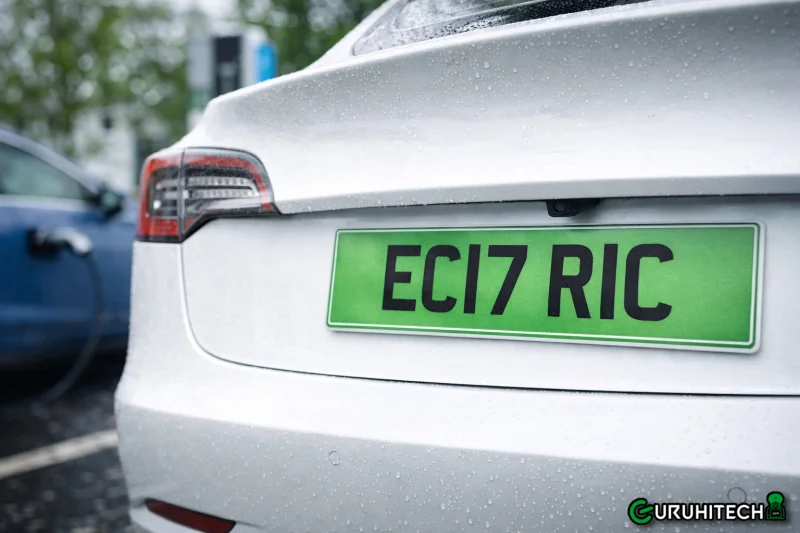
Table of Contents
- Introduction to Green Number Plates
- The Significance of Green Number Plates
- Eligibility Criteria for Green Number Plates
- Types of Vehicles That Qualify
- Environmental Impact and Benefits
- Regulations Surrounding Green Number Plates
- How to Apply for a Green Number Plate
- The Role of Top Reg in Vehicle Registration
- Case Studies and Examples
- Future Trends in Green Number Plates
Introduction to Green Number Plates
In recent years, the push for environmental sustainability has led to various initiatives aimed at reducing carbon footprints across multiple sectors, including transportation. One such initiative is the introduction of green number plates, which serve as a visual identifier for environmentally friendly vehicles. This article delves into what green number plates are, who can have them, and what they signify for both drivers and the environment.
The Significance of Green Number Plates
Green number plates are more than just a distinguishing feature on a vehicle; they represent a commitment to eco-friendliness and sustainability. In many countries, the introduction of these plates is part of broader government efforts to encourage the use of electric and hybrid vehicles. By making these vehicles easily identifiable, governments aim to promote their benefits and encourage more drivers to consider eco-friendly options.
The plates are typically distinguished by their color, which is a stark contrast to traditional black or white plates. This color coding serves as an immediate visual cue, not only for other road users but also for local authorities, enabling them to implement policies that favor green vehicles, such as reduced tolls or access to low-emission zones.
Eligibility Criteria for Green Number Plates
Not every vehicle qualifies for a green number plate. The criteria may vary by region but generally include:
1. Vehicle Type: Electric vehicles (EVs) and certain hybrid models typically qualify.
2. Emission Standards: Vehicles must meet specific emissions criteria set by regulatory bodies.
3. Age of the Vehicle: In some places, only newer models are eligible.
4. Registration Compliance: Vehicles must be properly registered with the appropriate authorities.
Understanding these criteria is crucial for potential applicants who wish to take advantage of the benefits associated with green number plates.
Types of Vehicles That Qualify
There are several types of vehicles that can obtain green number plates:
1. Battery Electric Vehicles (BEVs): These vehicles run entirely on electricity and produce zero tailpipe emissions.
2. Plug-in Hybrid Electric Vehicles (PHEVs): While they have both an electric motor and a conventional engine, they qualify if they meet specific electric range thresholds.
3. Hydrogen Fuel Cell Vehicles: These vehicles use hydrogen to generate electricity and emit only water vapor.
It is essential to note that the precise classifications may vary by jurisdiction, so it is advisable to consult local regulations or organizations such as Top Reg when determining eligibility.
Environmental Impact and Benefits
The adoption of green number plates represents a significant step towards reducing vehicular emissions and promoting sustainable transportation practices. Some notable environmental benefits include:
1. Reduction in Air Pollution: Electric vehicles emit no tailpipe pollutants, contributing significantly less to urban smog.
2. Lower Carbon Footprint: Transitioning from fossil fuels to electric power reduces greenhouse gas emissions over time.
3. Incentives for Sustainable Practices: Governments often provide incentives such as tax breaks or grants for purchasing eligible vehicles.
These benefits not only contribute to better air quality but also support global efforts to combat climate change.
Regulations Surrounding Green Number Plates
Governments have enacted various regulations regarding the issuance and use of green number plates. These regulations typically cover:
1. Design Standards: Specifications on how green number plates should look, including color and font requirements.
2. Usage Restrictions: Guidelines on where and when these vehicles can access restricted zones or receive preferential treatment.
3. Renewal Processes: Information on how often vehicle owners need to renew their green plate registration.
Understanding these regulations can help vehicle owners ensure compliance while maximizing the advantages offered by their green number plates.
How to Apply for a Green Number Plate
Applying for a green number plate involves several steps:
1. Determine Eligibility: Review whether your vehicle meets the necessary criteria.
2. Gather Documentation: Collect required documents such as proof of ownership, emission certificates, and identification.
3. Submit Application: Apply through your local vehicle registration authority or an online platform where applicable.
4. Receive Approval: Once your application is processed, you will receive confirmation along with your new green number plate.
Utilizing resources like Top Reg can streamline this process by providing guidance on documentation requirements and application procedures.
The Role of Top Reg in Vehicle Registration
Top Reg plays an instrumental role in helping vehicle owners navigate the complexities of registration processes, including those related to green number plates. They offer services that facilitate smooth application submissions and ensure compliance with regional regulations.
By utilizing Top Reg’s expertise, vehicle owners can avoid common pitfalls during registration that could delay their access to the benefits associated with green number plates.
Case Studies and Examples
Various case studies highlight how green number plates have positively impacted communities:
1. City Initiatives: Cities like London have introduced congestion charges that exempt electric vehicles with green plates from fees during peak hours, encouraging more residents to switch.
2. Corporate Adoption: Companies are increasingly adopting electric fleets marked with green plates as part of their corporate social responsibility strategies, demonstrating leadership in sustainability.
These examples illustrate how effective policies surrounding green number plates can drive meaningful change in transportation behavior.
Future Trends in Green Number Plates
As technology continues to advance, we can expect several trends related to green number plates:
1. Broader Eligibility Criteria: As more manufacturers produce electric vehicles, eligibility may expand beyond current limitations.
2. Integration with Smart Technology: Future initiatives may see integration with smart city infrastructure, allowing real-time tracking of emissions.
3. Enhanced Incentives: Governments may introduce additional financial incentives tied specifically to the ownership of green-numbered vehicles.
These trends suggest a promising future where sustainable transportation becomes increasingly mainstream.
Green number plates symbolize an evolving landscape in vehicle registration aimed at fostering eco-conscious practices among drivers while supporting global sustainability efforts through regulatory frameworks and community initiatives. As awareness grows around climate change issues and urban pollution challenges, initiatives like these will likely gain traction among both policymakers and consumers alike.
Ti potrebbe interessare:
Segui guruhitech su:
- Google News: bit.ly/gurugooglenews
- Telegram: t.me/guruhitech
- X (Twitter): x.com/guruhitech1
- Bluesky: bsky.app/profile/guruhitech.bsky.social
- GETTR: gettr.com/user/guruhitech
- Rumble: rumble.com/user/guruhitech
- VKontakte: vk.com/guruhitech
- MeWe: mewe.com/i/guruhitech
- Skype: live:.cid.d4cf3836b772da8a
- WhatsApp: bit.ly/whatsappguruhitech
Esprimi il tuo parere!
Ti è stato utile questo articolo? Lascia un commento nell’apposita sezione che trovi più in basso e se ti va, iscriviti alla newsletter.
Per qualsiasi domanda, informazione o assistenza nel mondo della tecnologia, puoi inviare una email all’indirizzo [email protected].
Scopri di più da GuruHiTech
Abbonati per ricevere gli ultimi articoli inviati alla tua e-mail.