
How dog boarding supports emotional balance during owner travel
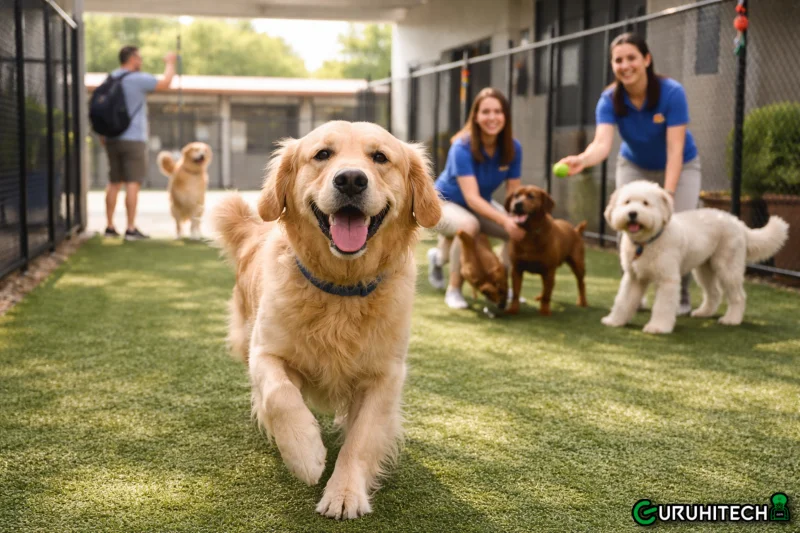
Dogs rely on routine, familiarity, and consistent care to feel emotionally secure. When owners travel, even for short periods, the sudden change in daily rhythm can create uncertainty for pets. New environments, altered schedules, and unfamiliar caregivers may affect how dogs respond emotionally if the transition is not handled thoughtfully.
Many pet owners explore professional care options once they recognize how sensitive dogs can be to routine changes. Karnik Pet Lodge at Maple Village provides an environment designed to support emotional stability while owners are away. Dog boarding offers structured care that replaces uncertainty with predictability, helping dogs remain calm and comfortable during separation.
Understanding how dog boarding supports emotional balance allows owners to plan travel with greater confidence. When pets receive consistent care, supervision, and engagement, the time apart becomes less stressful and more manageable for everyone involved.
Preserving routine through structured daily schedules
Routine plays a central role in a dog’s emotional health. Predictable feeding times, activity periods, and rest cycles help dogs understand what to expect from their day. When these patterns are disrupted, anxiety and confusion may develop.
Dog boarding maintains structure by following consistent daily schedules. Meals, walks, playtime, and rest occur at regular intervals, helping dogs adjust more easily to a temporary change in environment. This consistency reassures pets and reduces emotional strain during owner absence.
Reliable schedules help dogs feel secure and grounded.
Reducing separation anxiety with continuous supervision
Separation anxiety often appears when dogs feel isolated or unsure of their surroundings. Without proper interaction, pets may become restless, vocal, or withdrawn. Emotional reassurance is essential during periods away from home.
Professional dog boarding services provide continuous supervision and interaction. Trained caregivers offer attention, guidance, and reassurance throughout the day. This presence helps dogs feel supported and reduces stress caused by separation from their owners.
Supervision reinforces emotional comfort and trust.
Encouraging positive social interaction
Social engagement supports emotional balance by giving dogs healthy outlets for energy and expression. Isolation during owner travel may intensify feelings of loneliness, especially for social dogs.
Dog boarding programs often include controlled group interactions that allow dogs to socialize safely. Matching dogs by temperament and energy level encourages positive experiences and prevents overstimulation. These interactions help dogs remain emotionally engaged rather than withdrawn.
Healthy socialization supports emotional resilience.
Maintaining familiarity through comfort items
Familiar scents and textures provide emotional grounding for dogs in new environments. Items such as blankets, toys, or bedding carry sensory cues that remind dogs of home.
Boarding environments that allow familiar belongings help ease transitions. These items create continuity between home and temporary care settings. When combined with consistent routines, familiar objects help dogs settle more quickly.
Familiarity reduces stress during environmental changes.
Supporting emotional release through physical activity
Physical movement plays an important role in regulating a dog’s emotional state. Exercise helps release built-up energy and reduces stress-related behaviors.
Dog boarding includes structured physical activity tailored to individual needs. Walks, play sessions, and enrichment exercises help dogs remain relaxed and emotionally balanced. Activity also supports better rest and overall mood stability.
Movement supports emotional regulation and comfort.
Promoting restful sleep in calm environments
Rest is essential for emotional recovery, especially during times of change. Overstimulation or irregular rest patterns can increase anxiety and irritability.
Professional boarding facilities provide designated rest areas designed for comfort and quiet. Controlled environments encourage healthy sleep cycles, allowing dogs to recharge emotionally. Consistent rest supports overall well-being throughout the boarding period.
Quality rest strengthens emotional resilience.
Reinforcing positive behavior through consistent guidance
Dogs thrive when expectations remain clear. Inconsistent rules or responses may lead to confusion and emotional stress.
Dog boarding environments rely on trained staff who reinforce positive behavior consistently. Clear guidance helps dogs understand boundaries and maintain good habits during owner absence. This consistency supports emotional stability and confidence.
Clear expectations reduce uncertainty and stress.
Providing mental stimulation to prevent boredom
Mental engagement is just as important as physical activity for emotional health. Without stimulation, dogs may become restless or anxious.
Boarding programs include enrichment activities that challenge dogs mentally. Puzzle toys, scent work, and interactive play help keep dogs focused and engaged. Mental stimulation provides a sense of purpose and reduces emotional tension.
Engaged minds support balanced emotions.
Monitoring emotional changes proactively
Subtle changes in behavior often signal emotional discomfort. Without trained observation, these signs may go unnoticed.
Professional caregivers monitor appetite, energy levels, and behavior patterns closely. Early recognition of changes allows for timely adjustments in care. Karnik Pet Lodge at Maple Village emphasizes attentive supervision that supports emotional well-being throughout a dog’s stay.
Observation ensures emotional needs are addressed promptly.
Supporting adaptability through positive experiences
Temporary separation can help dogs develop adaptability when managed correctly. Positive experiences in structured environments build confidence and emotional flexibility.
Dog boarding exposes pets to new routines and interactions in a controlled setting. Over time, these experiences help dogs become more adaptable and less reactive to change. Adaptability supports emotional strength beyond the boarding period.
Positive exposure builds long-term emotional balance.
Reducing owner stress through reliable care
Dogs are sensitive to their owners’ emotions. When owners feel anxious about leaving their pets, dogs may sense that tension.
Knowing that pets are receiving consistent care reduces owner stress, which indirectly supports dogs emotionally. Trust in professional care allows owners to travel calmly, benefiting both parties.
Confidence in care supports emotional harmony.
Creating a stable environment during absence
Stability is the foundation of emotional health during separation. Predictable care, familiar routines, and attentive supervision replace uncertainty with reassurance.
Dog boarding offers a stable alternative to irregular or isolated care arrangements. With structured support, dogs remain emotionally secure throughout their stay.
Stability allows dogs to cope with temporary separation effectively.
Conclusion
Owner travel does not have to disrupt a dog’s emotional well-being. Dog boarding supports emotional balance by preserving routine, encouraging social interaction, providing supervision, and maintaining a stable environment. With care from Karnik Pet Lodge at Maple Village, dogs experience comfort, structure, and reassurance during time away from home. When thoughtfully planned, dog boarding becomes a positive and supportive experience that helps pets remain calm, confident, and emotionally secure until their owners return.
Scopri di più da GuruHiTech
Abbonati per ricevere gli ultimi articoli inviati alla tua e-mail.