
How Electric Snow Bikes Are Changing Winter Outdoor Mobility
For a long time, winter has been considered an “off-season” for cycling. Low temperatures, snow-covered roads, and icy surfaces make traditional bikes difficult to handle. Even experienced riders often choose to pause their cycling plans until spring arrives. At the same time, short-distance travel in winter tends to rely heavily on cars—an option that is costly, inefficient, and often discourages people from spending time outdoors during colder months. Against this backdrop, electric snow bikes have gradually entered the mainstream and are quietly reshaping how people move outdoors in winter.
The Real Challenges of Winter Travel
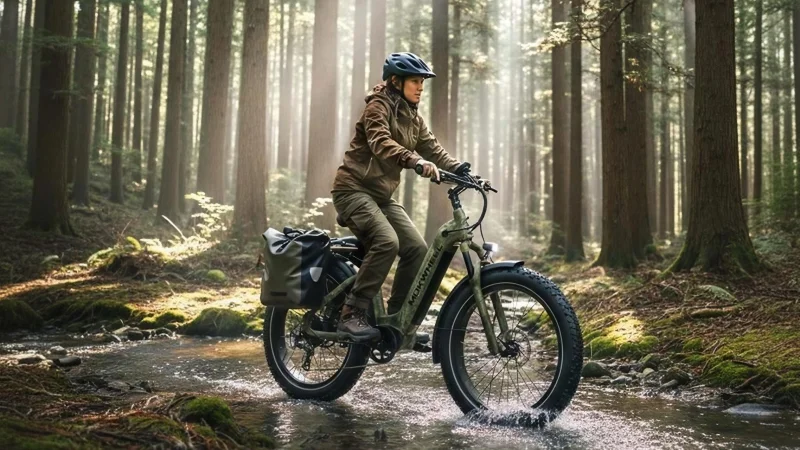
On snow and ice, the biggest challenges for conventional bicycles are stability and safety. Limited tire grip makes starting difficult, braking distances become longer, and the overall risk of slipping increases significantly. Even standard Electric bikes, if not designed specifically for cold environments, often suffer from reduced battery range and inconsistent power output in low temperatures. As a result, winter cycling has long been viewed as an impractical option for most people.
An Electric Solution Built for Snow
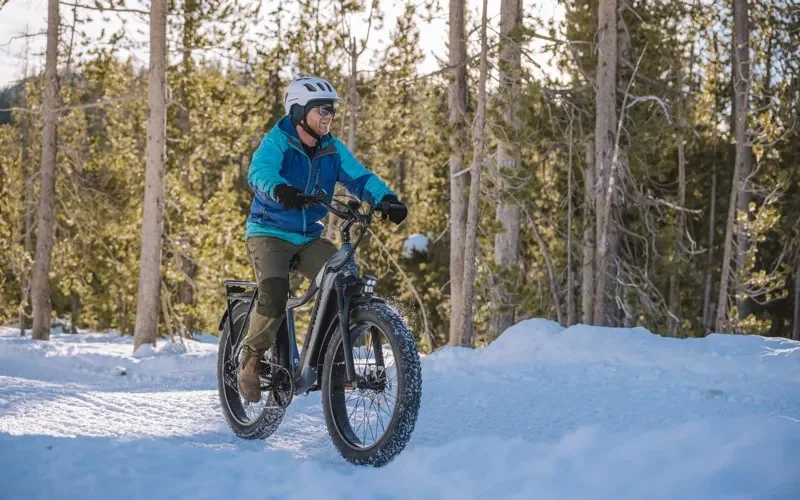
Electric snow bikes are not simply modified versions of standard Electric bikes. They are purpose-built transportation tools designed around the demands of winter conditions. By combining wide tires, electric assist systems, and cold-resistant components, these bikes deliver a more stable and controllable riding experience on snow, compacted ice, and even light off-road terrain.
Wide tires increase surface contact and traction, giving the bike better “float” on soft snow and reducing the risk of slipping or getting stuck. Meanwhile, electric assist compensates for the extra physical effort required when riding on snow, making starts, acceleration, and climbing far more manageable.
Lowering the Barrier to Winter Riding
Traditionally, snow riding has been a niche activity reserved for highly skilled and physically strong cyclists. Electric snow bikes significantly lower that barrier. With steady motor torque, riders can maintain a smooth pace even on thick snow or gentle inclines without exhausting themselves.
This shift transforms winter cycling from an extreme, challenge-driven activity into a more accessible outdoor option. Whether for daily commuting, short weekend trips, or exploring snowy trails, electric snow bikes offer a level of adaptability that traditional bikes simply cannot match.
From Trend to Practical Choice: A Real Opportunity for Winter Riding
As electric snow bikes move from a niche category to a mainstream option, brands focused on electric outdoor mobility are finding new ways to make winter riding more accessible. Mokwheel is one example that reflects this trend through its Christmas Deals.
During this limited-time event, the all-terrain-focused Basalt Electric bike is available for $1,299.99 (originally $2,399.99). Each bike purchase includes a $699 luxury accessory package, offering a more complete setup for riding on snow and challenging terrain. Meanwhile, the comfort-oriented Obsidian ST Electric bike, designed for long-distance and relaxed riding, is priced at $1,899.99 during the holiday sale (originally $3,099.99), also with a $699 luxury accessory package included.
Mokwheel is also offering a Christmas-exclusive deal for couples or families: purchase two Electric bikes during the promotion and receive either a rear rack or a bike trailer as a free gift. This user-centered approach highlights how electric snow bikes are evolving from individual experiments into shared, family-friendly winter mobility solutions.
Improved Safety and Reliability
Safety is always a top concern in winter. Electric snow bikes are typically equipped with more reliable braking systems that maintain consistent stopping power in cold, wet conditions. The combination of wide tires and responsive brakes makes it easier to control speed and direction on unpredictable surfaces.
Battery systems are also optimized for cold weather. With improved battery management and protective design, riders can better estimate range and reduce uncertainty during winter trips, making electric snow bikes a more dependable option overall.
More Than Just a New Way to Get Around
The impact of electric snow bikes goes beyond simply being able to ride on snow. They are changing how people think about winter itself. What was once seen as a restrictive season is increasingly becoming an opportunity for outdoor exploration. City streets, suburban paths, snowy fields, and forest trails all become part of the winter riding experience.
Compared with gas-powered vehicles, electric snow bikes also offer clear environmental benefits for short-distance travel, aligning with the growing interest in low-carbon lifestyles. They strike a new balance between practicality, enjoyment, and sustainability.
Bringing Movement and Exploration Back to Winter
From “not rideable” to “actively rideable,” electric snow bikes are redefining winter outdoor life. Cold weather is no longer an excuse, and snow no longer means stopping. For those who want to maintain mobility, freedom, and a connection with nature throughout the winter months, electric snow bikes are becoming an option worth serious consideration.
Frequently Asked Questions
What is the difference between electric snow bikes and standard Electric bikes?
Electric snow bikes are specifically optimized for winter conditions. They usually feature wider tires for improved traction and stability, higher-torque motors, and cold-resistant, water-protected components. Standard Electric bikes are better suited for dry or mildly wet roads and have limited performance on deep snow or ice.
Are electric snow bikes safe on icy roads?
When ridden responsibly and properly equipped, electric snow bikes are significantly safer on ice or compacted snow than traditional bicycles. Wide tires improve surface contact, and reliable braking systems help maintain control. However, riders should still reduce speed and avoid sudden braking or sharp turns on extreme ice.
Does cold weather seriously affect electric bike batteries?
Low temperatures can reduce lithium battery performance, mainly by decreasing range.
However, most electric snow bikes are designed with optimized battery management systems. Storing the battery indoors when not in use and planning rides carefully makes winter use both manageable and safe.
Are electric snow bikes suitable for beginners?
Yes. Compared to traditional snow riding, electric snow bikes are much more beginner-friendly.
Electric assist reduces physical strain and helps maintain stability during starts and climbs. Beginners should still start on flat routes with light snow to gradually adapt to winter riding conditions.
What scenarios are electric snow bikes best for?
They are well suited for winter commuting, neighborhood travel, riding in snowy parks, and light off-road exploration. For people living in cold climates who want to stay mobile and active throughout winter, electric snow bikes offer strong practical value.
Does winter riding require extra maintenance?
Yes. Winter riding requires more attention to cleaning and maintenance. After each ride, it’s recommended to remove snow, water, and road salt from the bike and regularly check brakes and drivetrain components. Proper maintenance improves safety and extends the lifespan of the Electric bike.
Ti potrebbe interessare:
Segui guruhitech su:
- Google News: bit.ly/gurugooglenews
- Telegram: t.me/guruhitech
- X (Twitter): x.com/guruhitech1
- Bluesky: bsky.app/profile/guruhitech.bsky.social
- GETTR: gettr.com/user/guruhitech
- Rumble: rumble.com/user/guruhitech
- VKontakte: vk.com/guruhitech
- MeWe: mewe.com/i/guruhitech
- Skype: live:.cid.d4cf3836b772da8a
- WhatsApp: bit.ly/whatsappguruhitech
Esprimi il tuo parere!
Ti è stato utile questo articolo? Lascia un commento nell’apposita sezione che trovi più in basso e se ti va, iscriviti alla newsletter.
Per qualsiasi domanda, informazione o assistenza nel mondo della tecnologia, puoi inviare una email all’indirizzo guruhitech@yahoo.com.
Scopri di più da GuruHiTech
Abbonati per ricevere gli ultimi articoli inviati alla tua e-mail.