
How People Purchase Narcotic Drugs Illegally — Key Facts
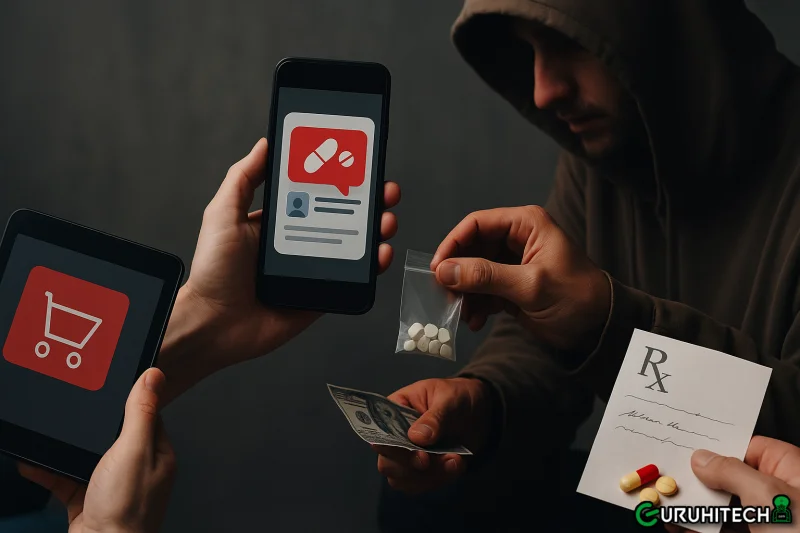
The illegal acquisition of narcotic drugs is a complex issue driven by multiple factors. While some users seek these substances for recreational purposes, others may pursue them for self-medication, pain relief, or addiction. Recent research indicates that economic, social, and psychological pressures contribute significantly to illegal drug consumption. For how people buy narcotic drugs, studies show that individuals facing mental health challenges are more likely to seek unregulated sources for narcotics compared to those with stable support systems.
Accessibility plays a pivotal role as well. Illegally obtained narcotics are often more affordable and easier to acquire than prescription medications obtained through legal channels. The perception of privacy and anonymity associated with illegal purchases further incentivizes users to bypass medical supervision.
What Are the Common Channels for Illegal Drug Purchases?
Illegal narcotics are procured through multiple channels, each with its own level of risk and accessibility. The most commonly identified methods include:
- Street-Level Dealers: Traditional in-person transactions remain a primary source for many users. These interactions often occur in urban areas, near nightlife districts, or in neighborhoods with high rates of drug trafficking. While convenient, street-level purchases expose buyers to legal consequences and potential violence.
- Social Networks and Peer Groups: Friends, acquaintances, and social circles are frequent sources of narcotics. Peer recommendations can influence the type and quantity of drugs purchased. This method often reduces perceived risk but increases exposure to networks involved in criminal activity.
- Online Marketplaces: The rise of the internet has revolutionized illegal drug sales. Dark web markets provide a platform for anonymous transactions, allowing buyers to purchase narcotics using cryptocurrencies. Delivery services are typically disguised as legitimate packages, reducing direct exposure to dealers.
- Prescription Fraud: Some individuals acquire narcotics illegally by forging prescriptions or manipulating medical systems. While less common, this method represents a significant source of high-potency drugs such as opioids and stimulants.
How Has Technology Influenced Illegal Drug Purchases?
The digital era has transformed the way people access narcotics. Online marketplaces, encrypted communication apps, and cryptocurrency payments have facilitated a level of anonymity that was previously unattainable.
Dark web platforms have grown increasingly sophisticated, offering user reviews, ratings for reliability, and detailed product descriptions. A 2023 study revealed that dark web drug sales accounted for approximately 10-15% of global illegal drug transactions, with narcotics like opioids and synthetic cannabinoids being the most traded.
Mobile applications and social media platforms also contribute to illegal distribution. While not as structured as dark web markets, these channels allow users to connect with sellers through private groups or direct messaging. The convenience and relative anonymity provided by technology make these channels appealing, particularly for younger demographics.
What Types of Narcotic Drugs Are Most Commonly Purchased Illegally?
Patterns of illegal narcotic purchases vary by region, demographic, and availability. However, certain drugs consistently dominate the market:
- Opioids: Heroin and prescription opioids such as oxycodone and fentanyl are highly sought after due to their potent effects and addictive potential. Illicit opioid use has been associated with a rising number of overdose deaths worldwide.
- Cannabis: While legal in some regions, illegal cannabis remains prevalent where regulation is strict. Synthetic cannabinoids are particularly popular in areas with restrictive laws.
- Stimulants: Drugs like cocaine, methamphetamine, and prescription ADHD medications are commonly purchased for recreational and performance-enhancing purposes.
- Benzodiazepines: These sedative drugs are often misused to alleviate anxiety or enhance the effects of other substances. Illegal purchases usually occur through forged prescriptions or black-market sales.
- Synthetic and Designer Drugs: Novel psychoactive substances (NPS) such as MDMA variants and synthetic hallucinogens are increasingly available online. These substances are often marketed as “legal highs,” despite their potential health risks.
How Do Buyers Protect Their Anonymity?
Anonymity is a primary concern for individuals purchasing narcotics illegally. Various strategies are employed to reduce the risk of detection:
- Encrypted Communication: Messaging platforms with end-to-end encryption help buyers coordinate purchases without revealing their identity.
- Cryptocurrency Payments: Digital currencies like Bitcoin or Monero are favored because they provide a level of financial anonymity that traditional banking systems do not.
- Discrete Shipping Methods: Sellers often package drugs to resemble legitimate products, reducing the likelihood of interception during delivery. Some buyers use drop-off points or third-party addresses to further obscure their identity.
- VPNs and Tor Networks: Accessing dark web marketplaces often involves virtual private networks (VPNs) or Tor browsers to hide the user’s IP address and prevent traceability.
What Are the Risks of Purchasing Narcotics Illegally?
Illegal narcotics purchases carry significant health, legal, and social risks.
- Health Risks: Products obtained illegally are unregulated and often contain unknown substances or dangerous adulterants. Overdoses, poisoning, and long-term health complications are common. A 2022 study estimated that over 50% of sampled illegal opioids contained harmful additives.
- Legal Risks: Possession, distribution, and purchasing of narcotics are criminal offenses in most countries. Convictions can result in fines, imprisonment, and permanent criminal records.
- Financial Risks: Transactions in illegal markets may lead to fraud, theft, or extortion. Buyers have no legal recourse if the purchased product is substandard or not delivered.
- Social Consequences: Illegal drug use can strain relationships, reduce employment opportunities, and lead to social isolation. The stigma associated with criminal activity often affects both users and their families.
How Prevalent Is Illegal Narcotic Purchasing?
Global statistics indicate that millions of individuals engage in illegal drug purchases annually. According to the United Nations Office on Drugs and Crime (UNODC), approximately 5% of the global adult population used at least one illicit drug in the past year, with a substantial proportion acquiring these substances illegally.
Regional trends vary: North America and Europe show high levels of opioid and stimulant purchases, whereas Asia and Latin America report increased use of synthetic narcotics and cannabis. Online marketplaces are particularly prominent in developed nations with widespread internet access, highlighting the intersection of technology and drug consumption patterns.
What Are the Demographics of Illegal Drug Buyers?
Research shows that buyers of illegal narcotics span diverse age groups, social classes, and professional backgrounds. Key demographic patterns include:
- Age: Young adults, particularly those aged 18-35, are the most active buyers. This group is more technologically adept and exposed to peer influences that normalize drug use.
- Gender: Men are more likely than women to purchase narcotics illegally, though the gap has narrowed in recent years, especially for prescription drug misuse.
- Socioeconomic Status: While low-income individuals may be more exposed to street-level sales, illegal drug use occurs across all socioeconomic classes, particularly for substances acquired online.
How Are Authorities Combating Illegal Drug Purchases?
Governments and law enforcement agencies use multiple strategies to curb illegal narcotic distribution:
- Surveillance and Cyber Policing: Monitoring online marketplaces, tracking cryptocurrency transactions, and infiltrating dark web networks are common approaches.
- Public Awareness Campaigns: Educational programs target high-risk populations to highlight the health and legal consequences of illegal drug use.
- Prescription Monitoring Programs: Tracking prescriptions helps prevent the diversion of legitimate medications into illegal markets.
- International Cooperation: Cross-border efforts focus on disrupting trafficking networks, sharing intelligence, and prosecuting international criminal syndicates.
What Trends Are Emerging in Illegal Narcotic Purchases?
The illegal drug market continues to evolve in response to technology, regulation, and societal trends:
- Shift to Online Markets: Dark web and encrypted platforms are replacing traditional street-level sales in many regions.
- Rise of Synthetic Drugs: Novel substances are designed to circumvent existing drug laws, presenting challenges for law enforcement and public health.
- Polydrug Use: Buyers increasingly mix multiple narcotics or combine them with alcohol, heightening health risks.
- Increased Anonymity Measures: Sophisticated tools to protect privacy, including cryptocurrency mixers and decentralized marketplaces, are becoming more common.
What Can Be Done to Reduce Illegal Narcotic Purchases?
Addressing illegal drug acquisition requires a multi-faceted approach:
- Strengthening Education: Informing the public about the risks of unregulated substances and promoting responsible prescription use.
- Enhancing Access to Treatment: Expanding availability of addiction treatment and mental health services reduces the demand for illegal narcotics.
- Improving Regulation: Tightening controls on prescription drugs and monitoring emerging synthetic substances can curb diversion.
- Technological Interventions: Collaborating with internet platforms to detect and remove illegal sales content without compromising privacy.
Conclusion
Illegal narcotic purchases remain a significant global issue, fueled by social, economic, and technological factors. From street-level dealers to sophisticated online marketplaces, buyers employ diverse strategies to obtain drugs while minimizing risk. Despite technological advances that facilitate anonymity, the health, legal, and social consequences remain severe. Understanding the patterns, demographics, and trends in illegal narcotic purchases is crucial for policymakers, law enforcement, and public health officials seeking to mitigate the associated risks and promote safer communities.
Ti potrebbe interessare:
Segui guruhitech su:
- Google News: bit.ly/gurugooglenews
- Telegram: t.me/guruhitech
- X (Twitter): x.com/guruhitech1
- Bluesky: bsky.app/profile/guruhitech.bsky.social
- GETTR: gettr.com/user/guruhitech
- Rumble: rumble.com/user/guruhitech
- VKontakte: vk.com/guruhitech
- MeWe: mewe.com/i/guruhitech
- Skype: live:.cid.d4cf3836b772da8a
- WhatsApp: bit.ly/whatsappguruhitech
Esprimi il tuo parere!
Ti è stato utile questo articolo? Lascia un commento nell’apposita sezione che trovi più in basso e se ti va, iscriviti alla newsletter.
Per qualsiasi domanda, informazione o assistenza nel mondo della tecnologia, puoi inviare una email all’indirizzo guruhitech@yahoo.com.
Scopri di più da GuruHiTech
Abbonati per ricevere gli ultimi articoli inviati alla tua e-mail.