
How Routine Street Sweeping Supports Cleaner Communities and Safer Roads
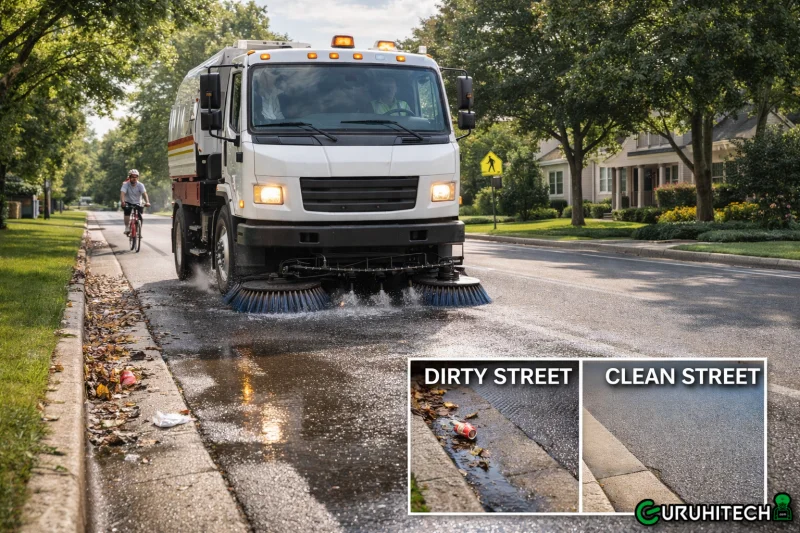
Clean public spaces play a major role in how communities function and how residents feel about their surroundings. Streets are among the most visible and heavily used areas in any city, town, or neighborhood. When debris, litter, and sediment accumulate, the effects go far beyond appearance. Road safety, environmental health, and infrastructure longevity are all influenced by how well streets are maintained over time.
Many people assume that street cleanliness improves naturally through weather or occasional cleanup, but this is rarely the case. Without structured maintenance, debris continues to build and spread. Professional providers such as Cleaner Streets help communities address this issue through consistent, planned care rather than reactive responses. This approach ensures that roadways remain functional and welcoming throughout the year.
At the center of this effort is Street Sweeping. When performed on a regular schedule, it supports cleaner environments, safer travel conditions, and long-term infrastructure protection for the entire community.
Improving Roadway Safety for Drivers and Pedestrians
Road safety depends on clear, predictable driving conditions. Loose debris such as gravel, sand, and trash can reduce traction, obscure lane markings, and create hazards for vehicles, cyclists, and pedestrians. These issues are especially dangerous near intersections, crosswalks, and curves.
Routine Street Sweeping removes debris before it becomes a safety risk. By clearing road surfaces, sweeping improves tire grip and visibility, reducing the likelihood of skidding or sudden obstacles. Pedestrians also benefit from cleaner crossings and sidewalks that are easier to navigate.
Safer roads contribute to smoother traffic flow and fewer incidents. When surfaces are consistently maintained, drivers can focus on navigation rather than avoiding hazards.
Supporting Environmental Health and Stormwater Quality
Debris on streets does not stay in one place. Rain and wind carry sediment, litter, and pollutants into storm drains, which often lead directly to local waterways. This runoff can introduce harmful substances into rivers, lakes, and coastal areas.
Street Sweeping plays a key role in environmental protection by removing pollutants before they enter the drainage system. Dust, metal particles, and organic waste are captured during sweeping rather than being washed away.
This preventative approach supports cleaner stormwater and reduces the burden on water treatment systems. Healthier waterways benefit ecosystems, wildlife, and community recreation areas.
Enhancing Community Appearance and Pride
Clean streets strongly influence how a community is perceived. Visitors and residents alike notice whether roadways are orderly or neglected. Accumulated debris can make even well-designed areas feel poorly maintained.
Routine sweeping improves curb appeal across neighborhoods, commercial districts, and public spaces. Clean streets create a sense of order and care that reflects positively on the community as a whole.
Community pride often increases when public spaces are visibly maintained. Residents are more likely to respect and protect areas that feel clean and valued.
Protecting Road Surfaces and Infrastructure
Road surfaces are designed to withstand traffic and weather, but debris accelerates wear. Sand, gravel, and organic matter trap moisture against pavement, increasing the risk of cracking and surface deterioration.
Street Sweeping helps extend the life of roadways by removing materials that contribute to damage. Cleaner surfaces dry more evenly and experience less abrasive wear from traffic.
Protecting pavement reduces long-term maintenance costs. By preventing premature deterioration, communities can delay major repairs and allocate resources more efficiently.
Reducing Airborne Dust and Particulates
Dust generated by traffic and debris affects air quality, particularly in dry or high-traffic areas. Fine particles can become airborne, contributing to respiratory irritation and reduced visibility.
Routine Street Sweeping reduces dust by removing fine debris before it is stirred up by vehicles. Cleaner roads result in lower particulate levels, supporting healthier air quality for residents and workers.
Improved air quality benefits vulnerable populations, including children, older adults, and individuals with respiratory conditions.
Supporting Compliance With Local Standards
Many municipalities have cleanliness and environmental standards related to roadway maintenance. Failure to meet these standards can result in fines, complaints, or regulatory issues.
Consistent sweeping helps communities remain compliant with local requirements by addressing debris and pollutants proactively. Documented maintenance schedules demonstrate responsible management of public infrastructure.
This consistency reduces administrative challenges and supports smoother coordination between municipal departments.
Improving Drainage Performance
Blocked or partially obstructed storm drains increase the risk of localized flooding during heavy rainfall. Leaves, trash, and sediment can prevent proper water flow, causing water to pool on roadways.
Street Sweeping keeps drainage pathways clear by removing debris before it reaches inlets. Improved drainage reduces standing water, which can damage pavement and create hazardous driving conditions.
Efficient water flow supports safer roads and minimizes water-related infrastructure issues.
Enhancing Traffic Efficiency
Debris-related hazards often lead to sudden braking, lane changes, or reduced speeds. These disruptions affect overall traffic efficiency and increase congestion.
Clean roadways support smoother traffic movement by eliminating obstacles that cause hesitation or rerouting. When drivers can travel predictably, traffic patterns become more stable.
This efficiency benefits daily commuters, emergency services, and public transportation systems alike.
Reducing Long-Term Maintenance Costs
Reactive maintenance is often more expensive than preventative care. Addressing damage after it occurs requires more labor, materials, and downtime.
Routine Street Sweeping reduces the need for emergency repairs by preventing conditions that lead to deterioration. Over time, this approach lowers overall maintenance costs and extends infrastructure lifespan.
Communities benefit financially by investing in consistent upkeep rather than repeated corrective actions.
Supporting Seasonal Maintenance Needs
Different seasons introduce different debris challenges. Fall leaves, winter sand, and spring runoff each affect road conditions in unique ways.
Regular sweeping allows maintenance programs to adapt to seasonal needs. By adjusting schedules and focus areas, communities maintain consistent cleanliness throughout the year.
This adaptability ensures that streets remain functional regardless of seasonal changes.
Promoting a Healthier Urban Environment
Clean streets contribute to overall public health. Reduced dust, fewer pollutants, and safer walkways create environments that support outdoor activity and mobility.
Midway through implementing consistent maintenance, many municipalities recognize the value of working with Cleaner Streets, where structured programs support both environmental responsibility and daily usability.
Healthier streets encourage walking, cycling, and community interaction, strengthening urban livability.
Conclusion
Consistent roadway maintenance delivers benefits that extend far beyond surface cleanliness. Through routine Street Sweeping, communities improve safety, protect the environment, preserve infrastructure, and enhance overall appearance. This proactive approach reduces long-term costs while supporting healthier, more functional public spaces. With reliable planning and professional execution, Cleaner Streets helps communities maintain roads that are safer, cleaner, and better suited to everyday use year after year.
Scopri di più da GuruHiTech
Abbonati per ricevere gli ultimi articoli inviati alla tua e-mail.