
How Smartphone Technology Is Making Dangerous Workplaces Safer
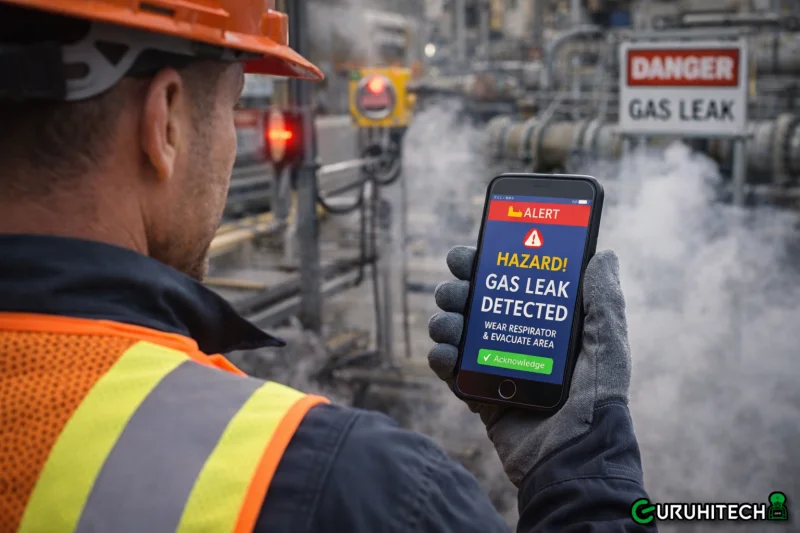
The smartphone in your pocket contains more computing power than the systems that guided astronauts to the moon. That same technology is now transforming one of the oldest challenges humans face: staying safe while doing dangerous work. From construction sites to factories, computer vision and mobile connectivity are creating protection systems that would have seemed like science fiction just ten years ago.
This isn’t about apps that remind workers to wear safety equipment or digital checklists replacing paper forms. We’re talking about fundamental changes in how organizations detect hazards, prevent accidents, and protect people working in high-risk environments. The same technology that lets your phone recognize your face is now watching over millions of workers around the world.
The Camera That Never Blinks
Think about the security cameras you see mounted in stores, parking lots, and office buildings. For decades, these devices served one purpose: recording footage that someone might review later if something went wrong. A break-in happens, guards check the tapes, and maybe they catch the thief. An accident occurs at a worksite, investigators watch the video to understand what happened.
This approach meant cameras witnessed countless near-misses and safety violations without anyone knowing until much later. A worker climbs a scaffold without a harness, the camera records it, but nobody notices until Friday afternoon when a supervisor reviews the week’s footage during a safety meeting. By then, the worker has been at risk for days.
Modern systems flip this equation completely. Cameras equipped with computer vision software understand what they’re seeing in real time. When a worker enters a restricted area without proper safety equipment, the system identifies the violation instantly and alerts supervisors within seconds. Lifesafety.ai brings this technology to worksites around the world, turning passive recording devices into active safety monitors that never get distracted or tired.
The technical breakthrough enabling all this is machine learning. Engineers train software models by showing them thousands of images of workers properly and improperly using safety equipment. The systems learn to recognize hard hats, safety vests, gloves, boots, and other protective gear. They understand when someone is wearing equipment correctly versus when something is wrong or missing.
Once deployed, these systems analyze video feeds continuously. Each frame gets processed through neural networks that identify people, classify their protective equipment, and flag any concerns. The entire analysis happens in milliseconds, fast enough to alert supervisors while the situation is still developing rather than after someone already got hurt.
Your Phone Becomes Mission Control
The monitoring systems themselves are impressive, but mobile connectivity makes them truly powerful. When a safety violation occurs, supervisors don’t need to be sitting at a desk watching monitors. They receive instant notifications on their smartphones with details about what happened, where it occurred, and often a photo or short video clip showing the situation.
This mobile-first approach changes how safety management works in practice. A supervisor might be meeting with a contractor in one part of a large construction site when their phone alerts them to a worker entering a hazardous area without authorization on the other side of the property. They can see exactly where the problem is, assess the severity, and either respond personally or radio the nearest qualified person to handle the situation.
The same technology that streams movies to your phone enables real-time safety monitoring across facilities that span millions of square feet. Supervisors can check on multiple locations from anywhere, review recent alerts while commuting to work, and stay informed about safety situations even when they’re not physically on site. This constant connectivity means faster responses and better outcomes when problems arise.
Some systems let managers view live camera feeds through mobile apps, adding another layer of capability. If an alert seems unclear or requires judgment to assess, supervisors can pull up the relevant camera view and see exactly what’s happening in that moment. This combines the scale of automated monitoring with the insight of experienced human oversight.
Pattern Recognition Finds Hidden Dangers
After monitoring a facility for weeks or months, safety systems accumulate enormous amounts of data about what actually happens during normal operations. This information reveals patterns that would be invisible without comprehensive monitoring.
Maybe the morning shift consistently shows better safety compliance than the night shift. Perhaps certain areas of a facility have chronic problems while others run smoothly. Specific pieces of equipment might be associated with more frequent violations than others. Individual workers might struggle with particular safety requirements that most people follow easily.
Understanding these patterns lets organizations address root causes instead of just reacting to individual incidents. If night shift performance is worse, maybe inadequate lighting is the real issue rather than workers being careless. If a particular workstation shows frequent violations, perhaps the layout makes it genuinely difficult to follow proper procedures. So if certain employees struggle while others excel, targeted training can help everyone perform at a higher level.
This data-driven approach to safety would be impossible without automated monitoring. Human supervisors simply cannot observe and remember enough detail across an entire facility to spot these patterns reliably. The technology sees everything, forgets nothing, and can analyze months of activity to identify trends that improve safety outcomes.
Integration With Existing Equipment
One concern many people have about advanced safety technology is whether it requires replacing all their existing cameras and network infrastructure. The good news is that modern systems are designed to work with equipment companies already have in place.
Most industrial facilities, warehouses, and construction sites already have security cameras covering key areas. These same cameras can often be repurposed for safety monitoring by adding computer vision capabilities. The cameras themselves don’t change; software running on specialized edge computing devices analyzes the video feeds and identifies safety-relevant events.
Network infrastructure similarly stays mostly unchanged. Video processing happens locally at edge devices, so only alerts and relevant clips need to travel across the network rather than continuous full-resolution video from every camera. This approach works within the bandwidth constraints of typical industrial networks without requiring expensive upgrades.
The alerts and notifications can feed into whatever communication systems an organization already uses. If your supervisors coordinate through a particular mobile app or receive safety notifications via text message, the monitoring system can integrate with those existing workflows. The goal is enhancement rather than replacement, adding safety intelligence to infrastructure you already have.
Different Industries, Similar Benefits
While the underlying technology is the same, different industries face unique safety challenges that monitoring systems address in specific ways.
Construction sites deal with constantly changing conditions as projects progress. Equipment moves around, new hazards appear, and work zones shift frequently. Mobile monitoring systems can be set up at new sites quickly, providing the same level of oversight wherever crews are working. The technology adapts to different jobsite layouts and helps maintain safety standards even when conditions change daily.
Manufacturing facilities need to ensure workers follow proper procedures around machinery and equipment. The systems verify that operators use required lockout procedures before maintenance, maintain safe distances from automated equipment, and wear appropriate protection near dangerous machinery. The continuous monitoring complements existing safety protocols rather than replacing them.
Warehouses and logistics operations face challenges around moving equipment like forklifts and the interaction between vehicles and pedestrians. Computer vision can identify when people enter forklift zones, when equipment operators don’t follow proper protocols, or when congestion creates dangerous situations. This helps maintain safety while supporting the operational efficiency that makes these facilities productive.
Even retail and hospitality businesses are finding applications for intelligent safety monitoring. Loading docks where deliveries arrive pose risks that the technology can help manage. Back-of-house areas where staff work with equipment and supplies benefit from the same automated oversight that protects industrial workers.
Privacy Handled Responsibly
Any discussion of workplace cameras and AI monitoring naturally raises privacy questions. People want to know who can see the footage, what gets recorded, and how long data stays stored. These are legitimate concerns that responsible technology providers take seriously.
Modern safety platforms focus on detecting situations rather than tracking individuals. The system notices when someone isn’t wearing required equipment but doesn’t create a database of where every employee goes throughout the day. It alerts supervisors to dangerous crowding but doesn’t monitor how long people spend in the break room.
This situation-focused approach addresses safety concerns without creating an uncomfortable surveillance environment. The goal is making sure people can do their jobs safely, not tracking their every movement or judging their productivity. When companies are transparent about what the systems do and how data is used, workers typically appreciate the additional safety protection rather than feeling threatened by it.
Data retention policies also matter. Most organizations configure their systems to keep only what’s necessary for safety documentation and compliance requirements. Video clips of actual incidents might be retained for investigation and training purposes, but routine footage where nothing notable happened gets automatically deleted after a short period. This approach balances safety needs with privacy concerns.
The Next Wave Is Already Here
Current safety monitoring systems excel at identifying problems as they happen and enabling fast responses. The next generation of technology will predict incidents before they occur based on patterns and risk factors.
Machine learning models trained on thousands of incidents might recognize that certain combinations of factors reliably precede accidents. When workers show signs of fatigue, equipment exhibits unusual behavior, and environmental conditions are suboptimal, future systems could alert supervisors to heightened risk even if no specific violation has occurred yet.
Some advanced platforms are beginning to incorporate data from wearable devices that monitor worker vital signs. Heart rate variability, body temperature, and movement patterns can indicate when someone is at risk of heat exhaustion, injury from overexertion, or other health emergencies. Combining this physiological data with computer vision creates an even more comprehensive safety net.
Augmented reality integration is another frontier. Imagine safety glasses that highlight hazards in a worker’s field of view or alert them when they’re about to enter an area where protective equipment is required. The same AI that analyzes camera feeds could feed information directly to workers through AR displays, creating a real-time safety assistance system.
Making The Technology Accessible
A decade ago, this kind of sophisticated safety monitoring would have been accessible only to the largest corporations with budgets for custom development and dedicated IT teams to maintain proprietary systems. The technology’s maturation and emergence of platform providers have democratized access dramatically.
Today, a medium-sized construction company or manufacturing facility can implement comprehensive AI safety monitoring in a matter of weeks for reasonable monthly subscription costs. The platforms are designed for easy deployment and minimal ongoing maintenance, making them practical for organizations that don’t have large technical teams.
This accessibility means more workers get protected regardless of their employer’s size or resources. A small warehouse can benefit from the same technology that Fortune 500 companies use to monitor massive facilities. That leveling of the playing field ultimately benefits everyone by raising safety standards across entire industries.
Real Results That Matter
The ultimate test of any safety technology is whether it actually prevents injuries and saves lives. Early results from organizations using AI monitoring systems are compelling.
Companies consistently report significant reductions in incident rates after implementation. One construction firm saw their lost-time injuries drop by sixty percent in the first year. A manufacturing facility cut their recordable incidents by half. These aren’t just statistics on a spreadsheet; they represent real people who went home safe to their families instead of ending up in emergency rooms or worse.
The financial impacts are substantial too. Insurance premiums drop when companies demonstrate improved safety performance. Projects stay on schedule instead of getting delayed by accidents. Workers’ compensation costs decrease. The technology typically pays for itself within the first year just through these direct savings, not even accounting for the value of preventing human suffering.
Perhaps most importantly, workers report feeling safer on the job. When people know that advanced systems are watching out for them and that supervisors will respond immediately to dangerous situations, it creates peace of mind that lets them focus on their work. That improved morale and reduced stress contributes to better overall outcomes beyond just safety metrics.
Looking Ahead
The transformation of workplace safety through mobile technology and computer vision is still in its early stages. The systems available today represent just the beginning of what’s possible as the underlying technology continues advancing rapidly.
Within a few years, we’ll likely see even more sophisticated analysis capabilities, better integration with other workplace systems, and increasingly proactive approaches that prevent hazards before they ever threaten workers. The goal is moving from responding to incidents toward eliminating them entirely through intelligent systems that understand risk and intervene appropriately.
For the millions of people who work in dangerous environments around the world, these technological advances can’t come fast enough. Every prevented injury represents someone’s parent, child, spouse, or friend who stayed safe because a computer saw something dangerous and made sure someone acted before it was too late.
That’s the real promise of applying smartphone technology to workplace safety: taking the incredible capabilities we carry in our pockets every day and using them to protect the people building our buildings, making our products, and keeping our modern world running. The technology exists today. The question is how quickly we’ll deploy it everywhere it can make a difference.
Scopri di più da GuruHiTech
Abbonati per ricevere gli ultimi articoli inviati alla tua e-mail.