
How to Choose the Right Certificate Authority (CA) for Digital Certificates
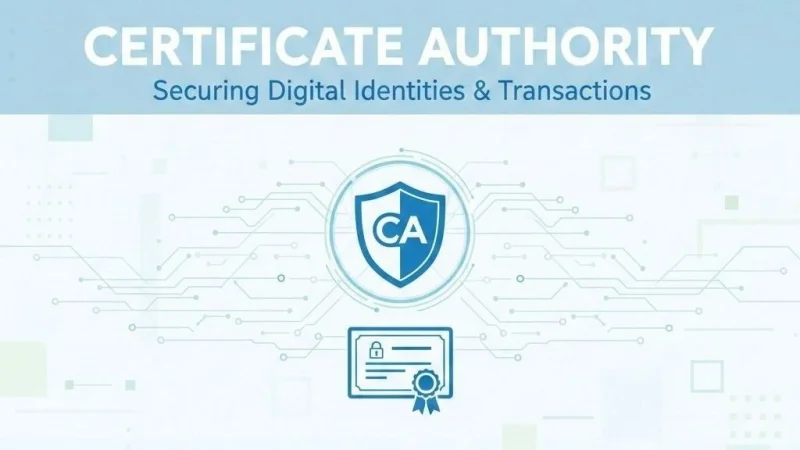
A Certificate Authority (CA) plays a crucial role in the world of digital security. It is an entity that issues digital certificates, including SSL/TLS certificates, which are used to secure communications between websites and users. These certificates confirm the authenticity of a website and ensure that the data exchanged is encrypted, protecting it from cyber threats such as man-in-the-middle attacks or data breaches.
When choosing a CA, it’s important to make an informed decision. While there are many options available, not all CAs are the same. Choosing the right one ensures that your website’s security is reliable and trustworthy, providing a secure environment for both your business and users. This blog will guide you through the key factors to consider when selecting a Certificate Authority, including reputation, support, pricing, and types of certificates.
Understanding the Role of a Certificate Authority (CA)
A Certificate Authority (CA) is a trusted organization responsible for issuing and managing digital certificates. These certificates secure the identity of websites, apps, documents, and ensure secure communication by encrypting data sent between users and the server. CAs validate ownership, verify the identity of the certificate requester, and digitally sign the certificate to prove its legitimacy.
Why CAs Are Important for Security
CAs ensure that the certificates they issue are trusted by browsers and operating systems. When users visit a website that has a valid certificate from a trusted CA, their browser checks if the certificate is issued by a recognized authority. If it is, the website is marked as secure, helping to establish trust. Without a reliable CA, there would be no way to verify whether a website is legitimate, leaving users vulnerable to cyber-attacks.
Types of Digital Certificates Issued by CAs
CAs offer various types of digital certificates, each designed for different needs:
- SSL/TLS Certificates: The most common digital certificates used for securing websites by encrypting data.
- Code Signing Certificates: Used to verify the authenticity of software applications and code.
- Email Certificates: Ensure the security of email communications by verifying sender identity and encrypting the email content.
Key Factors to Consider When Choosing a CA
1. Reputation and Trustworthiness
Why Reputation Matters – A CA’s reputation is a critical factor in choosing the right provider. A trusted CA ensures that your certificate is recognized by major browsers and devices, which is essential for maintaining website security and user trust. Providers with a solid reputation are less likely to experience security vulnerabilities or reliability issues.
How to Verify a CA’s Reputation
To assess a CA’s reputation:
- Research their industry standing: Look into how long the CA has been in the industry and whether it has earned trust from organizations around the world.
- Check certifications and partnerships: Trusted CAs are often part of industry organizations and comply with standards set by the CA/Browser Forum and WebTrust.
- Read reviews and feedback: Check customer reviews from independent sources like Trustpilot or industry-specific forums to evaluate service quality.
2. Compatibility and Browser Trust
- Browser and Platform Compatibility – The digital certificates you choose must be trusted by all major browsers, including Chrome, Firefox, Safari, and Edge. If your certificate isn’t recognized, users may see warnings about your website’s security, which could discourage them from visiting.
- Root Certificate Program – For a certificate to be universally trusted, the CA must be part of the Root Certificate Program. This means the CA’s root certificate is included in the list of trusted certificates for all major browsers and platforms. Ensure the CA you choose has their root certificate embedded in these programs.
3. Customer Support and Services
24/7 Customer Support – Effective customer support is essential for resolving any issues you may encounter during certificate installation, renewal, or management. A reputable CA should offer 24/7 support to assist with any troubleshooting.
Support Channels
Look for a CA that provides multiple support channels, such as:
- Live chat: Ideal for quick inquiries and support.
- Phone support: For more complex issues.
- Email support: For non-urgent requests or technical documentation.
Additional Services
Some CAs offer additional services, such as:
- SSL installation guides to assist in setting up certificates.
- Free SSL tools, such as SSL checkers or configuration tools.
- Online certificate management portals for easy tracking and renewal.
Pricing and Cost Structure
Understanding SSL/TLS Certificate Costs – The cost of SSL certificates can vary widely depending on the CA and the type of certificate. For example, Domain Validation (DV) certificates are the most affordable, while Extended Validation (EV) certificates tend to be more expensive due to the thorough validation process involved.
What’s Included in the Price
When evaluating prices, consider what’s included in the cost:
- Warranty: Some certificates come with a warranty that protects your website against data breaches caused by certificate flaws.
- Support: Check if the certificate comes with any additional customer support or tools.
Discounts and Promotions – While discounts can make certificates more affordable, don’t sacrifice quality for price. Be cautious of promotions that offer too-good-to-be-true deals, as these may come with limitations or lower-grade certificates that don’t offer sufficient security.
Types of Certificates and Validation Levels Offered by CAs
1. Domain Validation (DV)
Domain Validation certificates are the most basic type of SSL/TLS certificate. They only verify the domain ownership and do not involve any checks on the organization’s identity.
When to Use DV Certificates – DV certificates are ideal for personal websites, blogs, or internal applications where the primary goal is to secure basic communications.
Organization Validation (OV)
Organization Validation certificates require the CA to validate both domain ownership and the legitimacy of the organization behind the website. This adds a layer of trust compared to DV certificates. It is best suited for small businesses that need to build trust with their customers but don’t require the extensive validation of an EV certificate.
Extended Validation (EV)
EV certificates provide the highest level of validation. They verify the organization’s legal, physical, and operational status and display the verified name in the browser’s address bar, offering a visual cue of legitimacy. These certificates are ideal for e-commerce websites or high-traffic sites where trust and security are critical for users, such as financial institutions or healthcare services.
Evaluating CA Security Features
- Encryption Standards – A reliable CA should offer strong encryption standards, typically 256-bit encryption for SSL/TLS certificates. This ensures that the data exchanged between the website and its visitors remains secure and protected from eavesdropping.
- Support for TLS 1.2 and TLS 1.3 – The CA should also support the latest versions of the TLS protocol (TLS 1.2 and TLS 1.3) for enhanced security and compatibility.
- Revocation Process – The CA should have a clear and effective process for certificate revocation in case of a security breach. This ensures that compromised certificates are promptly revoked, minimizing the risk to users.
- Renewal Process – The renewal process should be straightforward, with clear instructions and reminders to avoid lapses in security.
Comparing Popular Certificate Authorities
Some of the leading CAs to consider include DigiCert, Sectigo, Comodo, and GlobalSign. Each has its strengths and weaknesses, depending on your specific needs. For example:
- DigiCert is known for its enterprise-level solutions and exceptional customer support.
- Certera is trusted by organizations for its high-level security features, scalability and affordable pricing.
- Sectigo offers affordable options for small businesses with reliable certificates.
- Comodo provides a wide range of certificates at competitive prices, especially for those on a budget.
Conclusion
Choosing the right Certificate Authority is essential for securing your website and maintaining user trust. By considering factors such as reputation, support, pricing, and the types of certificates offered, you can make an informed decision that best suits your business needs. Always prioritize security and reliability over cost to ensure that your digital certificates offer the protection your users deserve.
Take your time researching and evaluating your options, and choose a CA that provides the level of trust and support your website requires.
Ti potrebbe interessare:
Segui guruhitech su:
- Google News: bit.ly/gurugooglenews
- Telegram: t.me/guruhitech
- X (Twitter): x.com/guruhitech1
- Bluesky: bsky.app/profile/guruhitech.bsky.social
- GETTR: gettr.com/user/guruhitech
- Rumble: rumble.com/user/guruhitech
- VKontakte: vk.com/guruhitech
- MeWe: mewe.com/i/guruhitech
- Skype: live:.cid.d4cf3836b772da8a
- WhatsApp: bit.ly/whatsappguruhitech
Esprimi il tuo parere!
Ti è stato utile questo articolo? Lascia un commento nell’apposita sezione che trovi più in basso e se ti va, iscriviti alla newsletter.
Per qualsiasi domanda, informazione o assistenza nel mondo della tecnologia, puoi inviare una email all’indirizzo [email protected].
Scopri di più da GuruHiTech
Abbonati per ricevere gli ultimi articoli inviati alla tua e-mail.