
Power Switch Board for Centralized Electrical Distribution Control
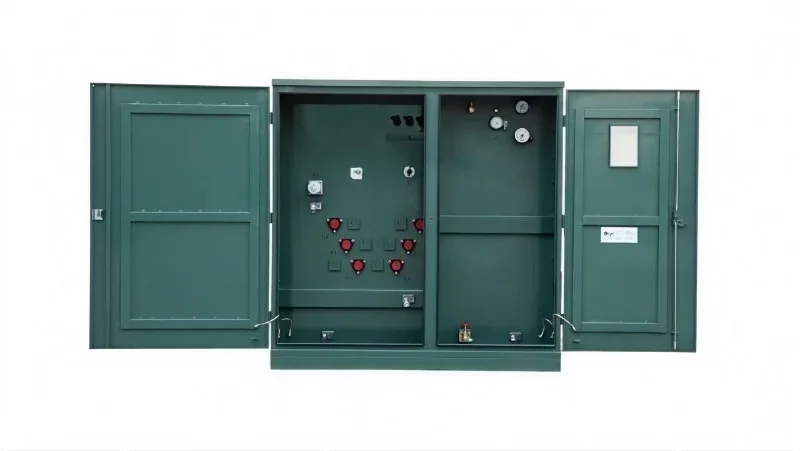
A power switch board serves as the central hub of electrical distribution in residential, commercial, and industrial facilities. It plays a pivotal role in managing the flow of electricity, protecting equipment, and ensuring the safety of users. By providing a centralized point for control, monitoring, and protection, power switch boards allow operators to manage complex electrical systems efficiently.
As modern electrical demands continue to grow, the importance of well-designed, robust, and safe power switch boards cannot be overstated. This article delves into the components, design considerations, safety measures, installation practices, and operational best practices for power switch boards, emphasizing their role in centralized electrical distribution control.
Understanding Power Switch Boards
What is a Power Switch Board?
A power switch board is a structured assembly of electrical components, including circuit breakers, switches, fuses, relays, and monitoring devices. It receives electrical power from a main source—such as the utility grid, generator, or transformer—and distributes it to various sub-circuits or systems within a facility.
The switch board provides centralized control and protection, ensuring that power is delivered safely and efficiently while minimizing risks such as overloads, short circuits, and electrical faults.
Importance of Centralized Control
Centralized electrical control offers several advantages:
- Safety: Rapid isolation of faulty circuits reduces the risk of fire and electric shock.
- Efficiency: Operators can monitor and control all circuits from a single location.
- Reliability: Centralized management ensures consistent power delivery and allows for coordinated maintenance.
- Scalability: Future expansions can be integrated easily without disrupting the existing system.
Key Components of a Power Switch Board
Main Incoming Device
The main incoming device, typically a circuit breaker or isolator, regulates the incoming power supply. It allows for safe disconnection of the entire system during maintenance or emergencies, preventing damage and protecting personnel.
Busbars
Busbars are metallic strips or bars, usually made of copper or aluminum, that distribute power from the incoming source to outgoing circuits. They are designed to carry high currents efficiently and safely, minimizing energy loss.
Circuit Breakers and Protective Devices
Circuit breakers, fuses, and protective relays are essential for isolating faulty circuits during overloads or short circuits. Proper coordination ensures that only the affected section is disconnected, preventing total system shutdown.
Monitoring Instruments
Modern switch boards include meters, sensors, and digital displays that monitor voltage, current, power consumption, and other critical parameters. These instruments provide real-time insights into system performance and allow operators to detect anomalies early.
Design Considerations for Power Switch Boards
Load Calculation and Capacity Planning
Accurate load assessment is the foundation of a reliable power switch board. Designers must calculate the total connected load, peak demand, and future expansion requirements. Proper sizing ensures efficient operation, prevents overheating, and reduces the risk of frequent tripping.
Layout and Component Arrangement
A logical and organized internal layout enhances safety and accessibility. Adequate spacing between components allows for heat dissipation and safe maintenance access. Clear labeling of circuits ensures that operators can quickly identify and manage individual feeders.
Enclosure and Environmental Protection
Switch board enclosures provide protection from dust, moisture, mechanical impact, and temperature extremes. Depending on installation conditions, enclosures may need specific protection ratings to ensure long-term safety and reliability.
Integration with Smart Technologies
With the rise of smart systems, modern power switch boards may include digital monitoring, remote control, and automation features. These capabilities allow for proactive maintenance, energy optimization, and integration with building management systems.
Safety Features in Power Switch Boards
Overcurrent and Short Circuit Protection
Circuit breakers and fuses protect the system from excessive currents that can damage equipment or cause fires. Proper coordination of these devices ensures selective tripping, isolating only the faulty section while maintaining power to unaffected circuits.
Grounding and Earthing Systems
Effective grounding diverts fault currents safely into the earth, minimizing the risk of electric shock. A well-designed earthing system is essential for both personnel safety and equipment protection.
Arc Flash and Fire Prevention
Electrical arcs can be hazardous, leading to severe injuries or fires. Modern switch boards are built with secure connections, adequate insulation, and protective barriers to minimize arc flash risks. Routine inspections further reduce fire hazards.
Installation Best Practices
Site Selection and Preparation
Choosing an appropriate location is critical for safe and efficient operation. The site should provide sufficient space for operation, maintenance, and ventilation. Floors must be strong enough to support the switch board, and the environment should be free from excessive moisture, dust, or corrosive substances.
Mounting and Alignment
Switch boards should be securely mounted on a stable surface to prevent vibration or mechanical stress. Proper alignment ensures smooth operation of breakers, meters, and switches.
Electrical Connections and Testing
All connections must follow manufacturer specifications and approved drawings. Proper tightening of terminals prevents overheating and loose contacts. Before commissioning, thorough testing—including continuity checks, insulation resistance tests, and protective device operation—is essential to ensure reliability.
Operational Best Practices
Routine Inspection
Regular inspection is crucial to detect early signs of wear, corrosion, or overheating. Observing unusual noises, smells, or discoloration can prevent major failures.
Preventive Maintenance
Scheduled maintenance includes cleaning, tightening connections, testing protective devices, and calibrating meters. This approach extends the lifespan of the switch board and reduces unexpected downtime.
Load Monitoring and Optimization
Monitoring electrical loads allows operators to balance power distribution, prevent overloading, and optimize energy consumption. Analyzing data from smart meters helps identify inefficiencies and reduce operational costs.
Emergency Management
The switch board provides rapid isolation of faulty circuits during emergencies. It also integrates with backup power systems such as generators or uninterruptible power supplies, ensuring continuous power supply to critical loads.
Future Trends in Power Switch Boards
Smart and Digital Integration
The future of power switch boards is increasingly digital. Smart switch boards offer remote monitoring, real-time alerts, and automated control, enhancing both safety and operational efficiency.
Energy Efficiency and Sustainability
Modern designs focus on energy-saving features and environmentally friendly materials. By minimizing energy losses and improving monitoring, these switch boards contribute to sustainable electrical management.
Modular and Scalable Designs
Modular switch boards allow for easier upgrades and expansions without disrupting the existing system. This flexibility is particularly valuable in commercial and industrial facilities where electrical demands grow over time.
Conclusion
A power switch board is a vital component in centralized electrical distribution control, providing safety, efficiency, and reliability for complex electrical systems. By incorporating well-planned designs, robust protective features, and proper installation and maintenance practices, these switch boards ensure smooth operation and safeguard both equipment and personnel.
If you require expert guidance or customized solutions for electrical switchboards, Contact Us to connect with our specialists and discuss your project requirements.
With advancements in smart technologies and sustainable designs, power switch boards are evolving to become more intelligent, flexible, and energy-efficient. Organizations that prioritize proper design, installation, and ongoing management of their switch boards can achieve safer, more reliable, and cost-effective electrical systems.
A well-maintained and thoughtfully designed power switch board is not just a component—it is the cornerstone of safe and efficient electrical management.
Ti potrebbe interessare:
Segui guruhitech su:
- Google News: bit.ly/gurugooglenews
- Telegram: t.me/guruhitech
- X (Twitter): x.com/guruhitech1
- Bluesky: bsky.app/profile/guruhitech.bsky.social
- GETTR: gettr.com/user/guruhitech
- Rumble: rumble.com/user/guruhitech
- VKontakte: vk.com/guruhitech
- MeWe: mewe.com/i/guruhitech
- Skype: live:.cid.d4cf3836b772da8a
- WhatsApp: bit.ly/whatsappguruhitech
Esprimi il tuo parere!
Ti è stato utile questo articolo? Lascia un commento nell’apposita sezione che trovi più in basso e se ti va, iscriviti alla newsletter.
Per qualsiasi domanda, informazione o assistenza nel mondo della tecnologia, puoi inviare una email all’indirizzo [email protected].
Scopri di più da GuruHiTech
Abbonati per ricevere gli ultimi articoli inviati alla tua e-mail.