
Psychoactive Plants: History, Effects, and Scientific Research Insights
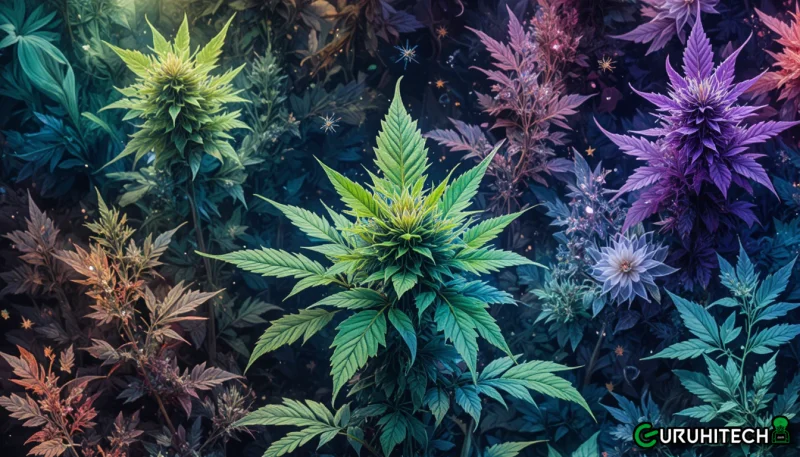
For thousands of years, humans have maintained a close and complex relationship with psychoactive plants. These are plants that contain compounds capable of altering perception, mood, and consciousness. From ancient spiritual rituals to modern scientific research, their story is woven into the very fabric of human history. This guide explores the history, effects, and promising scientific insights into these remarkable botanicals.
Understanding psychoactive plants offers a unique window into different cultures, belief systems, and even the workings of the human brain. Ancient civilizations viewed them as sacred keys to unlock spiritual realms, while today’s scientists see them as potential keys to unlocking new treatments for mental health conditions. By examining their role throughout history and the latest research, we can gain a deeper appreciation for their profound impact. This exploration will cover their historical significance, the compounds that give them their unique properties, and the cutting-edge research that is reshaping our understanding of their potential benefits.
What Are Psychoactive Plants?
Psychoactive plants are species that contain natural substances that, when ingested or otherwise introduced into the body, can affect mental processes. These effects can range from subtle shifts in mood to profound alterations in perception and consciousness. The active compounds in these plants, often alkaloids, interact with the central nervous system, particularly with neurotransmitter systems in the brain.
These plants have been used for a variety of purposes throughout human history. In many cultures, they were integral to religious ceremonies, healing practices, and rites of passage. Shamans and spiritual leaders used them to communicate with spirits, gain insights, and guide their communities. In other contexts, they were used for recreation or to enhance creativity. Today, the focus has shifted towards understanding their therapeutic potential, with research investigating their use in treating conditions like depression, PTSD, and anxiety.
Which Plants Have Psychoactive Properties?
The world is home to a vast number of plants with psychoactive properties, each with its unique chemical makeup and effects. Here are a few notable examples that have captured human interest for centuries.
Ayahuasca
This is not a single plant but a ceremonial brew from the Amazon basin, traditionally made by combining the leaves of the Psychotria viridis shrub and the stalks of the Banisteriopsis caapi vine. The vine contains harmala alkaloids, which are MAO inhibitors, while the shrub contains the potent psychedelic compound DMT. On its own, DMT is not orally active because it’s broken down by monoamine oxidase (MAO) enzymes in the digestive system. However, the MAO inhibitors in the vine allow the DMT to be absorbed, leading to a powerful, long-lasting psychoactive experience. Traditionally, indigenous cultures of the Amazon use Ayahuasca in healing ceremonies and spiritual rituals.
Peyote (Lophophora williamsii)
Peyote is a small, spineless cactus native to Mexico and the southwestern United States. Its primary active compound is mescaline, a well-known psychedelic. The use of peyote dates back at least 5,500 years, making it one of the oldest known psychoactive substances used by humans. It holds a sacred place in the religious ceremonies of many Native American tribes, particularly within the Native American Church, where it is used as a sacrament to facilitate communion with the divine and promote spiritual healing. The experience is often characterized by rich visual hallucinations and a sense of deep introspection.
Psilocybin Mushrooms
Commonly known as “magic mushrooms,” these fungi belong to various genera, most notably Psilocybe. They contain the psychoactive compounds psilocybin and psilocin. Like peyote, their use can be traced back thousands of years, with evidence found in prehistoric rock art in Europe and Central America. When ingested, psilocybin is converted into psilocin, which acts on serotonin receptors in the brain to produce altered states of consciousness. Effects can include euphoria, visual and mental hallucinations, changes in perception, and a distorted sense of time. Modern research is heavily focused on psilocybin’s potential to treat a range of mental health issues.
Cannabis (Cannabis sativa)
Perhaps the most widely known psychoactive plant, cannabis has a long history of use for medicinal, spiritual, and recreational purposes. Its main psychoactive compound is tetrahydrocannabinol (THC), which interacts with the body’s endocannabinoid system. Evidence of its use dates back thousands of years in Asia and the Middle East. The effects of cannabis can vary widely depending on the strain, dosage, and individual, but they often include relaxation, euphoria, altered sensory perception, and an increased appetite. Today, cannabis is at the center of ongoing legal and medical debates, with many regions decriminalizing or legalizing it for medical and recreational use.
What Does Current Scientific Research Say?
In recent years, there has been a significant resurgence of scientific interest in the therapeutic potential of psychoactive plants. After decades of being classified primarily as substances of abuse, rigorous clinical trials are now uncovering their potential benefits for mental health.
Several leading research institutions are conducting studies on compounds like psilocybin for treating conditions such as major depressive disorder, post-traumatic stress disorder (PTSD), and end-of-life anxiety in terminally ill patients. Early results from these studies have been remarkably promising. For example, some trials have shown that psilocybin-assisted therapy can lead to rapid and sustained reductions in depressive symptoms, even in patients who have not responded to conventional treatments like SSRIs. Researchers believe these compounds may work by disrupting rigid patterns of thought and promoting neural plasticity, allowing the brain to form new connections and perspectives.
Similarly, research into Ayahuasca has indicated its potential for treating depression and addiction. Studies suggest that the brew can have profound psychological effects that lead to lasting positive changes in personality and outlook on life. The active ingredient in peyote, mescaline, is also being explored, though research is less advanced compared to psilocybin. The primary goal of this modern wave of research is not to promote recreational use but to develop safe, effective, and medically supervised therapeutic protocols that harness the unique properties of these plants.
A New Chapter for Ancient Plants
The story of psychoactive plants is a rich and ongoing narrative. From their sacred role in ancient rituals to their re-emergence in modern science, these botanicals have consistently challenged and expanded our understanding of the human mind. While the cultural and legal landscapes surrounding them continue to evolve, the growing body of scientific evidence highlights a future where these ancient plants could play a crucial role in modern medicine. As research progresses, we move closer to unlocking the full potential of these remarkable natural compounds, offering new hope for treating some of the most challenging mental health conditions of our time.
Ti potrebbe interessare:
Segui guruhitech su:
- Google News: bit.ly/gurugooglenews
- Telegram: t.me/guruhitech
- X (Twitter): x.com/guruhitech1
- Bluesky: bsky.app/profile/guruhitech.bsky.social
- GETTR: gettr.com/user/guruhitech
- Rumble: rumble.com/user/guruhitech
- VKontakte: vk.com/guruhitech
- MeWe: mewe.com/i/guruhitech
- Skype: live:.cid.d4cf3836b772da8a
- WhatsApp: bit.ly/whatsappguruhitech
Esprimi il tuo parere!
Ti è stato utile questo articolo? Lascia un commento nell’apposita sezione che trovi più in basso e se ti va, iscriviti alla newsletter.
Per qualsiasi domanda, informazione o assistenza nel mondo della tecnologia, puoi inviare una email all’indirizzo guruhitech@yahoo.com.
Scopri di più da GuruHiTech
Abbonati per ricevere gli ultimi articoli inviati alla tua e-mail.