
Stresser: What It Is, How It Works, and Why Network Stress Testing Matters
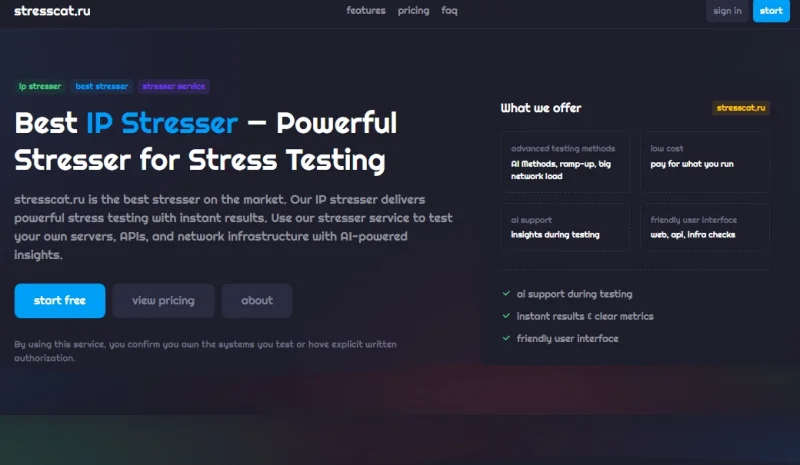
In the modern digital world, online services must be fast, stable, and secure. Businesses, developers, and infrastructure engineers constantly look for ways to test the reliability of their systems under heavy load. One of the terms that often appears in this context is stresser. But what exactly is a stresser, how does it work, and why is it important to understand its proper and legal use?
This article provides a detailed overview of the concept of a stresser, its legitimate applications, technical background, and the key differences between lawful stress testing and illegal activities.
What Is a Stresser?
A stresser is a tool or service designed to simulate high traffic or heavy load on a network, server, or application in order to test its performance and stability. The primary purpose of a stresser is stress testing—a controlled process used to identify bottlenecks, weaknesses, and failure points in infrastructure.
When used correctly and legally, a stresser helps organizations:
- Measure server capacity
- Test DDoS mitigation systems
- Identify performance limits
- Improve overall network resilience
It is important to note that a legitimate stresser is used only on systems you own or have explicit permission to test.
How a Stresser Works
A stresser works by generating a large volume of requests or packets toward a specific target. These requests imitate real-world traffic patterns, allowing engineers to observe how the system behaves under pressure.
Common stress testing techniques include:
- HTTP request simulation
- TCP/UDP load testing
- Application-layer traffic emulation
In professional environments, stressers are carefully configured to ensure accurate results without causing unintended damage. Logs, metrics, and monitoring tools are usually used alongside a stresser to analyze system behavior in real time.
Legitimate Use Cases for a Stresser
A stresser has several legal and practical use cases, especially in cybersecurity and infrastructure management.
1. Network Stress Testing
Organizations use stressers to evaluate how their networks respond to peak traffic, such as during product launches or promotional events.
2. DDoS Protection Testing
Security teams test firewalls, rate-limiting rules, and mitigation services to ensure they can handle large-scale attacks.
3. Performance Optimization
By identifying weak points under load, developers can optimize code, databases, and server configurations.
4. Capacity Planning
Stress testing helps estimate how much traffic a system can handle before upgrades are required.
Stresser vs DDoS: Understanding the Difference
The term stresser is sometimes confused with illegal DDoS tools. The key difference lies in authorization and intent.
| Stresser | DDoS Attack |
| Used with permission | Used without permission |
| Legal and controlled | Illegal and malicious |
| Focused on testing | Focused on disruption |
| Used by professionals | Used by attackers |
Using a stresser against systems you do not own or have permission to test is illegal in most countries and can result in severe legal consequences.
Why Stress Testing Is Important in 2025
As online services become more complex, the risk of downtime increases. Even a short outage can lead to:
- Financial losses
- Reputation damage
- Loss of customer trust
Stress testing with a stresser allows organizations to prepare for unexpected traffic spikes and malicious activity. In 2025, with the rise of cloud services, APIs, and real-time applications, proactive testing is no longer optional—it is essential.
Choosing a Professional Stresser Solution
When selecting a stresser for legitimate purposes, consider the following factors:
- Transparency and documentation
- Clear terms of service
- Compliance with local laws
- Support for controlled testing
- Detailed reporting and analytics
Professional tools often integrate with monitoring systems and provide customizable test scenarios that closely match real-world conditions.
Legal and Ethical Considerations
Before using any stresser, always ensure:
- You own the target system or have written permission
- The test scope is clearly defined
- The testing complies with local and international laws
Ethical stress testing focuses on improving security—not causing harm.
Conclusion
A stresser is a powerful and valuable tool when used responsibly. It plays a crucial role in modern infrastructure testing, cybersecurity planning, and performance optimization. Understanding how a stresser works, its legitimate applications, and its legal boundaries helps organizations build stronger, more reliable systems.
Ti potrebbe interessare:
Segui guruhitech su:
- Google News: bit.ly/gurugooglenews
- Telegram: t.me/guruhitech
- X (Twitter): x.com/guruhitech1
- Bluesky: bsky.app/profile/guruhitech.bsky.social
- GETTR: gettr.com/user/guruhitech
- Rumble: rumble.com/user/guruhitech
- VKontakte: vk.com/guruhitech
- MeWe: mewe.com/i/guruhitech
- Skype: live:.cid.d4cf3836b772da8a
- WhatsApp: bit.ly/whatsappguruhitech
Esprimi il tuo parere!
Ti è stato utile questo articolo? Lascia un commento nell’apposita sezione che trovi più in basso e se ti va, iscriviti alla newsletter.
Per qualsiasi domanda, informazione o assistenza nel mondo della tecnologia, puoi inviare una email all’indirizzo [email protected].
Scopri di più da GuruHiTech
Abbonati per ricevere gli ultimi articoli inviati alla tua e-mail.