
The Speedway Fleet Fuel Card Program Helps Businesses Control Costs
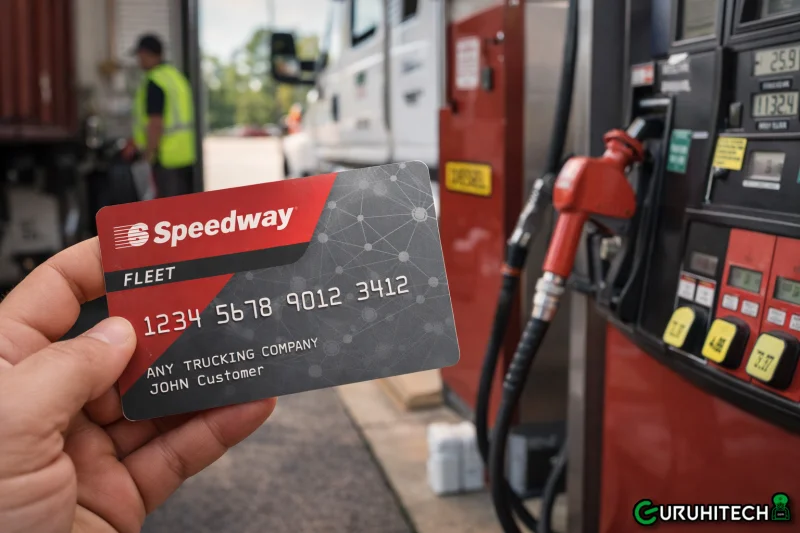
Fleet managers track gallons and monitor receipts, outdated fuel card systems create friction costs that
compound daily across every vehicle, driver, and transaction. The solution isn’t better tracking. It’s
eliminating the structural inefficiencies that traditional programs were never designed to solve.
Speedway offers a shift from reactive expense management to proactive fuel optimization represents
the next evolution in fleet operations. Most fuel card programs eliminate 30-40% of administrative
overhead while providing real-time visibility to fleet managers.
What Makes Fleet Fuel Cards Different From Regular Business Credit Cards?
Fleet fuel cards operate on fundamentally different infrastructure than standard business credit cards.
They connect directly to merchant category codes specifically designed for fuel purchases, enabling
automatic Level III data capture that includes gallons purchased, price per gallon, and exact pump location. Regular credit cards miss this granular detail entirely.
The distinction becomes critical when managing multiple vehicles and drivers. Fleet fuel cards provide
individual driver PINs, vehicle assignments, and customizable spending controls that standard cards
cannot match. You set parameters like maximum gallons per transaction, approved purchase times, and
geographic boundaries. This targeted control structure prevents the expense report chaos that plagues
companies using traditional corporate cards for fuel.
Security architecture differs substantially as well. While business credit cards expose your entire credit
line with each swipe, fuel cards limit exposure to specific purchase categories and amounts. When a
driver stops at a gas station, the card only authorizes fuel and approved maintenance items, blocking
everything else automatically. This compartmentalization protects against both fraud and innocent
policy violations that drain budgets.
Why Do 62% of U.S. Fleets Currently Use Fuel Cards?
62% of U.S. fleets currently use fuel cards because manual expense tracking destroys operational
efficiency at scale. Every receipt collected, expense report filed, and reimbursement processed
represents time stolen from productive work. Fleet managers discovered that fuel cards eliminate this
entire administrative layer while providing superior data quality.
The adoption rate jumps to 70% among larger fleets for a simple reason: complexity compounds.
Managing 50 vehicles with traditional methods requires exponentially more overhead than managing
five. Each additional truck multiplies touchpoints, creating cascading inefficiencies that fuel cards solve
through automation. Small businesses at 60% adoption often make the switch after experiencing their
first busy season wrestling with shoebox accounting.
Cost savings drive adoption, but control capabilities seal the decision. 95% of fleet managers surveyed
said fuel cards provide valuable insights into fleet efficiency beyond simple transaction tracking. These
insights reveal patterns invisible to traditional accounting: which routes burn excessive fuel, which
drivers idle unnecessarily, and where unauthorized purchases hide. The data transforms fuel from an
uncontrolled expense into a manageable operational metric.
How Much Can Small Fleets Save With Proper Fuel Card Discounts?
A small fleet of four trucks consuming 1,500 gallons monthly can save $300 per truck per month, or
$14,400 annually with an average fuel card discount of $0.20 per gallon. These aren’t theoretical
savings. They’re contractual discounts negotiated between fuel card providers and station networks,
passed directly to your bottom line.
The savings structure works through volume aggregation. Individual fleet owners lack negotiating power
with fuel retailers, but fleet card programs combine thousands of customers into massive purchasing
blocks. This collective leverage secures wholesale pricing typically reserved for major trucking
companies. Your four trucks benefit from the same discount rates as fleets running hundreds of vehicles.
Beyond per-gallon discounts, properly structured programs eliminate hidden costs.
Transaction fees disappear. Monthly statement fees vanish. Late payment penalties become impossible when automated
systems handle everything. The cumulative impact often doubles the headline discount rate. Smart fleet
managers calculate total cost reduction, not just pump prices, when evaluating fuel card benefits.
What Are The Most Common Fleet Fuel Card Advantages According To Managers?
Fleet managers rank easier fuel expense tracking (49%), improved budgeting (47%), and the ability to
set spending limits (43%) as the most common advantages of fuel card implementation. These benefits
address the core operational pain points that traditional payment methods create.
Easier expense tracking means ending the receipt chase forever. Every fuel purchase flows automatically
into your accounting system with complete transaction details. No more matching receipts to
statements, questioning expenses, or discovering missing documentation during audits. The system
captures everything in real-time, creating an unbreakable audit trail that satisfies both internal controls
and regulatory requirements.
Improved budgeting emerges from predictable, visible spending patterns. Fleet fuel management
transforms from reactive crisis control into proactive planning. You see consumption trends, identify
anomalies immediately, and adjust operations based on actual data rather than estimates. Setting
spending limits becomes surgical rather than arbitrary. Assign specific gallons per day to each vehicle
based on route requirements. Cap maintenance purchases at predetermined amounts. The granular
control prevents both intentional misuse and honest mistakes that blow budgets.
How Do Fleet Cards Integrate With Modern Fleet Management Systems?
Modern fleet cards communicate directly with telematics platforms, creating closed-loop verification
between vehicle location and fuel purchases. When a driver swipes at a pump, the system confirms the
vehicle’s GPS position matches the station location. Impossible purchases get flagged instantly.
This
integration catches card sharing, unauthorized vehicle use, and potential fraud before damage occurs.
The data marriage between fuel cards and fleet management software eliminates duplicate entry across
systems. Fuel consumption automatically updates vehicle profiles, triggering maintenance alerts based
on actual usage rather than calendar intervals. Speedway fleet fuel card transactions flow seamlessly
into popular platforms like Geotab, Samsara, and Fleetio, creating unified operational dashboards that
reveal total cost per mile, not just fuel expenses.
API connections enable sophisticated automation beyond basic reporting. Set rules that adjust purchase
limits based on route assignments. Create alerts when fuel efficiency drops below thresholds. Generate
exception reports highlighting unusual patterns. The integration transforms fuel cards from payment
tools into operational intelligence systems that actively improve fleet performance rather than just
documenting expenses.
What Specific Controls Can Fleet Managers Set On Fuel Cards?
Fleet fuel programs provide granular controls impossible with traditional payment methods. Start with
purchase category restrictions that limit cards to fuel-only, fuel plus oil, or expanded maintenance items.
Each driver profile supports unique parameters, preventing mechanics from buying fuel while restricting
drivers from purchasing parts.
Time-based controls prevent after-hours abuse while accommodating legitimate operational needs. Set
cards to work only during scheduled shift hours, with exceptions for specific drivers handling emergency
calls. Geographic boundaries ensure purchases occur within authorized territories. A local delivery fleet
might restrict purchases to a 50-mile radius, while long-haul operations could limit transactions to
specific interstate corridors.
Transaction velocity limits catch compromised cards before major damage occurs. Restrict cards to one
transaction per four hours, preventing rapid-fire fraud attempts. Set daily gallon limits based on vehicle
capacity and typical routes. Combine multiple rules for comprehensive protection: a delivery van card
might allow 30 gallons daily, only at stations within the service area, during business hours, with no
more than two fills per day. These layered controls make unauthorized use virtually impossible while
maintaining operational flexibility.
How Does Real-Time Reporting Change Fleet Fuel Management?
Real-time reporting transforms fleet managers from historians into active operators. Instead of
discovering problems in monthly statements, you see issues as they happen. A driver filling up twice in
an hour triggers immediate investigation. Fuel consumption spiking on a familiar route prompts vehicle
inspection before breakdown occurs. This immediacy prevents small problems from becoming expensive
disasters.
The shift from batch to streaming data enables predictive management. Fleet fuel cards with real-time
capabilities show consumption patterns that reveal maintenance needs before failures. That delivery
truck burning 15% more fuel this week likely needs tire pressure adjustment or air filter replacement.
Catching these efficiency losses early prevents the compound costs of breakdowns, towing, rushed
repairs, and route disruption.
Instant visibility also improves driver accountability and coaching opportunities. When drivers know
managers see everything immediately, behavior improves automatically. But the real value comes from
constructive conversations enabled by fresh data. Address aggressive acceleration patterns the same
day they occur, not weeks later when habits have solidified. Share positive examples immediately,
reinforcing good behavior while memories remain fresh. This continuous feedback loop creates lasting
operational improvements that monthly reviews never achieve.
What Size Fleet Benefits Most From Fuel Card Programs?
Small fleets between 3-10 vehicles often see the highest percentage improvement from fuel card
implementation. These operations typically lack dedicated administrative staff, meaning owners
personally chase receipts and reconcile expenses. Fuel cards for fleets eliminate this time drain,
returning 5-10 hours weekly to revenue-generating activities. The automation benefit alone justifies
adoption before considering fuel savings.
Medium fleets running 10-50 vehicles reach the complexity threshold where manual processes break
completely. Spreadsheet management becomes impossible. Receipt verification consumes entire
workdays. Reimbursement processing delays create driver frustration. Fleet cards provide the
infrastructure these operations need to scale efficiently without adding administrative headcount. The
systematic approach that fuel cards enforce often represents these fleets’ first taste of enterprise-grade
operations.
Large fleets exceeding 50 vehicles require fuel cards for basic functionality, but their benefits shift
toward optimization and standardization. These operations leverage advanced analytics, multi-tier
approval workflows, and complex allocation rules. The question isn’t whether to use fuel cards but how
to extract maximum value from the massive data streams they generate. Integration capabilities,
reporting depth, and control granularity become the primary evaluation criteria.
How Can Fleet Managers Maximize Fuel Card Discount Networks?
Maximizing discount networks requires understanding the three-tier structure of fuel pricing. Retail
prices displayed on signs represent the highest tier. Fleet credit cards access the middle tier through
network negotiations, typically saving $0.05-0.15 per gallon. The deepest discounts come from
proprietary networks where card issuers maintain direct relationships with specific chains, potentially
saving $0.20-0.40 per gallon.
Strategic route planning around network strengths multiplies savings. Map your highest-discount
locations along regular routes, making them standard fuel stops. Train drivers to prioritize network
stations when prices remain competitive. Some programs offer mobile apps showing real-time prices
and discounts at nearby stations, enabling dynamic routing decisions that balance savings with
operational efficiency.
Network stacking strategies push savings further. Many programs combine base network discounts with
volume rebates, loyalty rewards, and promotional offers. A single fill-up might capture the standard
network discount, trigger a volume rebate tier, and earn bonus points during a promotion period.
Understanding these overlapping programs helps fleet managers structure purchases to maximize total
returns rather than chasing individual offers.
What Security Features Protect Fleet Fuel Card Programs From Fraud?
Modern fleet fuel card programs deploy multiple security layers that traditional payment methods
cannot match. Driver-specific PINs create individual accountability while preventing card sharing. Even if
someone obtains a physical card, they cannot complete transactions without the corresponding PIN.
This two-factor approach stops most opportunistic fraud attempts immediately.
Anomaly detection algorithms monitor transaction patterns continuously, flagging suspicious activity for
review. A card typically used for local deliveries suddenly purchasing diesel 500 miles away triggers
alerts. Multiple rapid transactions, unusual purchase amounts, or attempts at non-fuel merchants
generate immediate notifications. These systems learn normal patterns for each card, becoming more
accurate over time at identifying genuine problems versus legitimate exceptions.
Proactive controls prevent fraud rather than just detecting it after the fact. Merchant category restrictions ensure cards only work at fuel stations and approved service locations. Real-time
authorization systems verify every transaction against current parameters before approval. If someone
attempts to exceed limits or use a suspended card, the transaction fails at the pump. This immediate
enforcement prevents the accumulated losses that plague traditional corporate cards discovered only
during monthly reconciliation.
Key Facts
- Fleet fuel cards eliminate 30-40% of administrative costs while providing superior control and visibility
compared to traditional payment methods - Small fleets can save $14,400+ annually through discount programs, while larger operations benefit
from advanced integration and analytics capabilities - Real-time reporting and granular controls transform fuel from an uncontrolled expense into a
manageable operational metric - Modern security features including PINs, anomaly detection, and proactive restrictions prevent fraud
before it occurs - The U.S. fuel card market size was estimated at USD 88.03 billion in 2024, indicating massive industry
validation of these benefits - Integration with fleet management systems creates closed-loop verification and enables predictive
maintenance based on fuel consumption patterns
Ti potrebbe interessare:
Segui guruhitech su:
- Google News: bit.ly/gurugooglenews
- Telegram: t.me/guruhitech
- X (Twitter): x.com/guruhitech1
- Bluesky: bsky.app/profile/guruhitech.bsky.social
- GETTR: gettr.com/user/guruhitech
- Rumble: rumble.com/user/guruhitech
- VKontakte: vk.com/guruhitech
- MeWe: mewe.com/i/guruhitech
- Skype: live:.cid.d4cf3836b772da8a
- WhatsApp: bit.ly/whatsappguruhitech
Esprimi il tuo parere!
Ti è stato utile questo articolo? Lascia un commento nell’apposita sezione che trovi più in basso e se ti va, iscriviti alla newsletter.
Per qualsiasi domanda, informazione o assistenza nel mondo della tecnologia, puoi inviare una email all’indirizzo [email protected].
Scopri di più da GuruHiTech
Abbonati per ricevere gli ultimi articoli inviati alla tua e-mail.