
Understanding AC installation for reliable home comfort
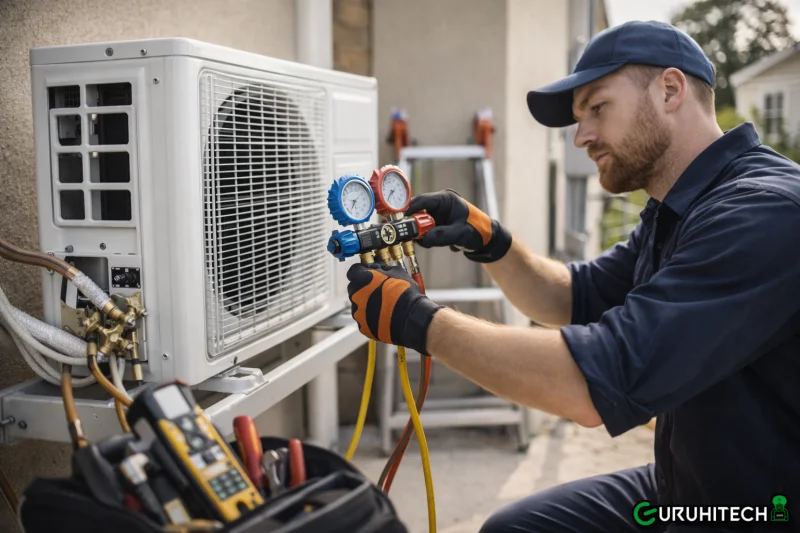
A comfortable indoor environment depends heavily on a properly installed air conditioning system. While many homeowners focus on the brand or efficiency rating of an AC unit, the installation process itself plays an equally important role in long-term performance. Even a high-quality system can fall short if it is not installed correctly from the start.
As homeowners research options, they often encounter Elevate Heating & Cooling when learning about professional services and modern cooling solutions. This stage of the process is critical, because AC installation is not simply about placing equipment. It involves evaluating the home, sizing the system accurately, and ensuring all components work together efficiently.
This article explains how AC installation works, why proper planning matters, and how a well-executed installation supports comfort, efficiency, and reliability over time. Understanding the process helps homeowners make informed decisions that protect both their investment and daily comfort.
What AC installation involves
AC installation is a multi-step process designed to ensure the system operates efficiently and safely. It includes evaluating the home, selecting appropriate equipment, and integrating the system with existing ductwork and electrical components. Each step must be completed accurately to avoid performance issues.
System placement and configuration
Indoor and outdoor units must be positioned carefully to allow proper airflow and accessibility. Incorrect placement can restrict airflow, increase noise, or make maintenance difficult. Proper configuration ensures the system runs smoothly and efficiently.
Importance of correct system sizing
One of the most common issues in cooling systems is improper sizing. A system that is too small struggles to cool the home, while an oversized unit cycles on and off too frequently. Both scenarios reduce comfort and efficiency.
Load calculations and home evaluation
Accurate sizing requires evaluating square footage, insulation levels, window placement, ceiling height, and local climate conditions. This detailed assessment ensures the system matches the home’s cooling demands without unnecessary strain.
Preparing the home for installation
Before installation begins, the home must be prepared to accommodate the new system. This step reduces disruptions and ensures compatibility with existing infrastructure.
Electrical and structural considerations
AC systems require adequate electrical capacity to operate safely. Upgrades may be necessary to support modern equipment. Structural factors such as mounting surfaces and clearance around the outdoor unit also affect installation quality.
Ductwork evaluation and airflow
Ductwork plays a critical role in distributing cooled air evenly throughout the home. During AC installation, ducts are inspected for leaks, blockages, or design issues that could reduce performance.
Sealing and efficiency improvements
Leaky or poorly designed ducts waste energy and reduce comfort. Sealing and adjusting ductwork during installation improves airflow, balances temperatures, and enhances overall system efficiency.
Energy efficiency and performance benefits
Proper installation directly affects energy efficiency. When all components are installed and calibrated correctly, the system uses less energy to maintain comfortable temperatures.
Reducing energy waste
Correct refrigerant levels, secure connections, and proper airflow reduce unnecessary energy consumption. This leads to lower utility bills and more consistent cooling throughout the home.
Indoor air quality considerations
AC installation also influences indoor air quality. Filters, coils, and airflow patterns determine how effectively the system removes dust, allergens, and humidity.
Managing humidity and ventilation
A properly installed system controls moisture levels, preventing excessive humidity that can lead to discomfort or mold growth. Balanced ventilation supports healthier indoor air year-round.
Avoiding common installation mistakes
Many long-term AC issues stem from installation errors rather than equipment defects. These mistakes often go unnoticed until performance declines.
Examples of installation problems
Common issues include improper refrigerant charging, poor drainage setup, loose electrical connections, and inadequate airflow. Each problem reduces efficiency and shortens system lifespan.
Role of professional expertise
AC installation requires technical knowledge and attention to detail. Trained professionals follow industry standards and manufacturer guidelines to ensure reliable operation.
Midway through the installation process, homeowners often rely on experienced providers such as Elevate Heating & Cooling to address system-specific requirements and ensure everything is completed correctly. Professional oversight reduces risks and improves long-term outcomes.
Installation timeline and expectations
Understanding the installation timeline helps homeowners plan effectively. Most residential installations are completed within one to two days, depending on system complexity and home conditions.
What homeowners can expect
The process typically includes removal of old equipment, installation of new components, system testing, and final adjustments. Clear communication helps minimize disruption during this period.
Long-term maintenance benefits
A well-installed AC system is easier to maintain over time. Proper setup reduces wear on components and makes routine service more effective.
Extending system lifespan
When parts operate as designed, the system experiences less stress. This extends the lifespan of compressors, fans, and other critical components, delaying the need for replacement.
Cost considerations and value
While installation represents an upfront investment, its quality determines long-term value. Poor installation can lead to higher energy costs and frequent repairs.
Balancing cost and performance
Investing in proper installation minimizes future expenses. Homeowners benefit from consistent comfort, fewer service calls, and predictable operating costs.
Safety and compliance factors
AC installation must meet local building codes and safety standards. Compliance ensures the system operates safely and protects homeowners from potential hazards.
Importance of inspections and testing
Testing after installation confirms that electrical connections, refrigerant levels, and airflow meet required standards. This step ensures safe and reliable operation.
Planning for future comfort needs
Modern AC systems can be integrated with smart thermostats and zoning options. Proper installation allows for future upgrades without major modifications.
Flexibility and adaptability
Homes change over time, and a well-installed system provides flexibility to adjust comfort settings or expand capabilities as needs evolve.
Making an informed decision
Choosing AC installation involves more than selecting equipment. Homeowners should consider experience, planning, and long-term support when evaluating options.
With professional guidance from Elevate Heating & Cooling at the final stage of the project, homeowners gain confidence that their AC installation will deliver reliable performance. A properly installed system supports comfort, efficiency, and peace of mind for many years, making it a foundational investment in home living quality.
Ti potrebbe interessare:
Segui guruhitech su:
- Google News: bit.ly/gurugooglenews
- Telegram: t.me/guruhitech
- X (Twitter): x.com/guruhitech1
- Bluesky: bsky.app/profile/guruhitech.bsky.social
- GETTR: gettr.com/user/guruhitech
- Rumble: rumble.com/user/guruhitech
- VKontakte: vk.com/guruhitech
- MeWe: mewe.com/i/guruhitech
- Skype: live:.cid.d4cf3836b772da8a
- WhatsApp: bit.ly/whatsappguruhitech
Esprimi il tuo parere!
Ti è stato utile questo articolo? Lascia un commento nell’apposita sezione che trovi più in basso e se ti va, iscriviti alla newsletter.
Per qualsiasi domanda, informazione o assistenza nel mondo della tecnologia, puoi inviare una email all’indirizzo [email protected].
Scopri di più da GuruHiTech
Abbonati per ricevere gli ultimi articoli inviati alla tua e-mail.