

Why CO2 Laser Fume Extraction Is More Than a Workshop Ventilation Issue
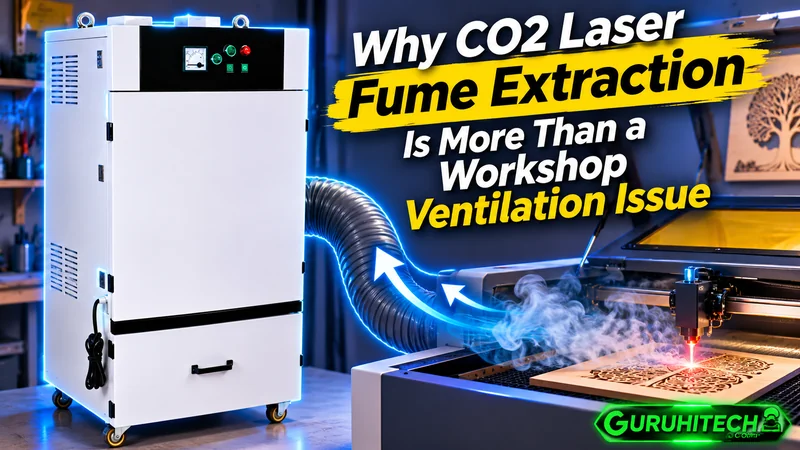
A CO2 laser cutter can produce clean edges, detailed engravings, and repeatable results across materials such as wood, acrylic, leather, and fabric. Yet the quality of the finished product does not depend on the laser source alone. What happens to the smoke, dust, and residue generated during processing is equally important.
In small workshops, ventilation is sometimes treated as an additional consideration after the laser machine has been installed. In a production environment, however, fume management should be considered part of the original equipment setup. Poor extraction can affect the workpiece, contaminate machine components, and create an uncomfortable environment for operators.
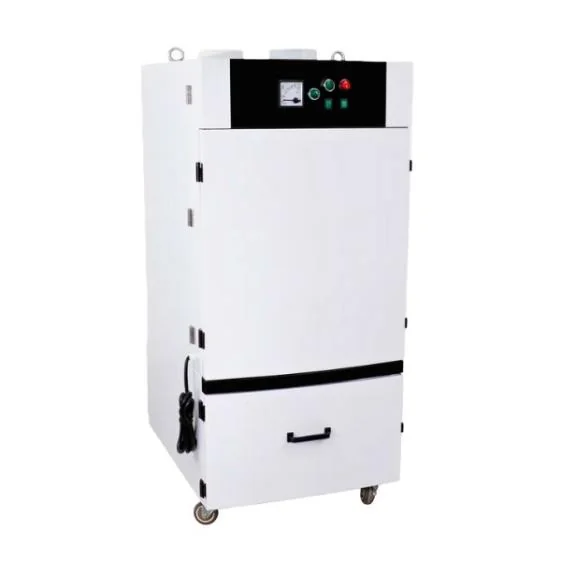
A properly selected co2 laser fume extractor helps address these challenges by capturing airborne contaminants and filtering them before they spread through the workspace. The important question is not simply how powerful the extractor is, but whether its configuration matches the actual laser application.
1. Different Materials Create Different Extraction Challenges
CO2 laser systems are widely used for processing non-metallic materials, but the resulting emissions are not identical across applications.
Laser cutting wood can generate smoke, fine particles, and residue. Acrylic processing may produce noticeable odors and material-specific vapors. Leather, textiles, and plastics introduce their own combinations of airborne contaminants.
This variation matters because an extraction system designed for one application may not be the best choice for another. A workshop processing thin wood sheets occasionally has different requirements from a manufacturer continuously cutting acrylic panels or fabric components.
Before choosing an extractor, manufacturers should identify the materials being processed, the expected production volume, and the types of emissions generated. Material compatibility should be checked carefully, and materials that are unsuitable for laser processing should never be treated as acceptable simply because an extraction system is installed.
2. Smoke Control Can Influence the Quality of Finished Products
Fume extraction is often discussed in terms of air quality, but it also has a direct connection to production quality.
During laser cutting and engraving, smoke and residue can settle back onto the workpiece. On wood, this may leave unwanted surface staining around engraved details. On acrylic, residue can affect the appearance of finished edges or surfaces. When processing textiles, accumulated smoke may contaminate surrounding material.
These problems become more costly when a workshop moves from one-off prototypes to repeated production orders. Operators may need additional cleaning time, and some products may require rework before they can be delivered.
A well-designed extraction setup helps remove smoke from the processing area before it can redeposit on the material. This is particularly important for manufacturers producing decorative wooden products, acrylic displays, personalized items, and other products where surface appearance is a major part of the final value.
3. Protecting Laser Optics Is Part of Long-Term Machine Maintenance
The extraction system also plays a role in maintaining the laser machine itself.
Smoke and airborne particles can accumulate inside the processing enclosure and around sensitive machine components. Over time, residue may contaminate optical surfaces, including lenses and mirrors, depending on the machine design and airflow arrangement.
This creates additional maintenance work. Operators may need to inspect and clean components more frequently, while accumulated contamination can affect processing consistency.
Effective extraction helps reduce the amount of airborne residue circulating around the machine. It does not eliminate the need for regular inspection, cleaning, or preventive maintenance, but it can become an important part of a more controlled maintenance routine.
For businesses operating laser equipment over extended production periods, this consideration is just as relevant as cutting speed and machine capacity.
4. Airflow Capacity Is Only One Part of the Selection Process
When comparing industrial extraction systems, manufacturers often start with airflow capacity. Although this is an important specification, it should not be the only selection criterion.
The actual performance of an extraction setup depends on several connected factors:
| Selection Factor | Why It Matters |
| Material compatibility | Different materials produce different types of smoke, particles, and vapors |
| Airflow capacity | Determines how much air the system can move under specified conditions |
| Ducting and connection size | Influences airflow resistance and compatibility with the laser machine |
| Filtration performance | Determines which airborne particles the system is designed to capture |
| Number of extraction points | Affects how the system handles one or multiple connected machines |
| Maintenance requirements | Influences filter replacement, cleaning frequency, and operating costs |
The connection between the laser machine and extractor deserves particular attention. Long duct runs, restrictive bends, poorly positioned connections, and multiple extraction points can affect actual airflow. A specification measured under particular conditions should not automatically be assumed to represent performance in every workshop installation.
It is also important to distinguish between particulate filtration and the treatment of gaseous contaminants or odors. A filter that captures fine particles does not necessarily remove every gas or chemical compound generated during laser processing. The filtration stages should be selected according to the materials and emissions involved.
5. Industrial Production Requires a Different Approach from Occasional Engraving
A compact extraction unit may be sufficient for a small workstation with limited engraving activity. However, a production environment with a larger working area, continuous cutting, and multiple extraction connections has a different operating profile.
Higher production volume means that the extraction system must handle a more sustained contaminant load. Filter capacity, airflow stability, maintenance access, and the ability to operate over long production periods become increasingly important.
For example, a manufacturer cutting wood and acrylic throughout the day may need an industrial configuration designed for non-metal smoke and residue rather than a small unit intended for occasional marking.
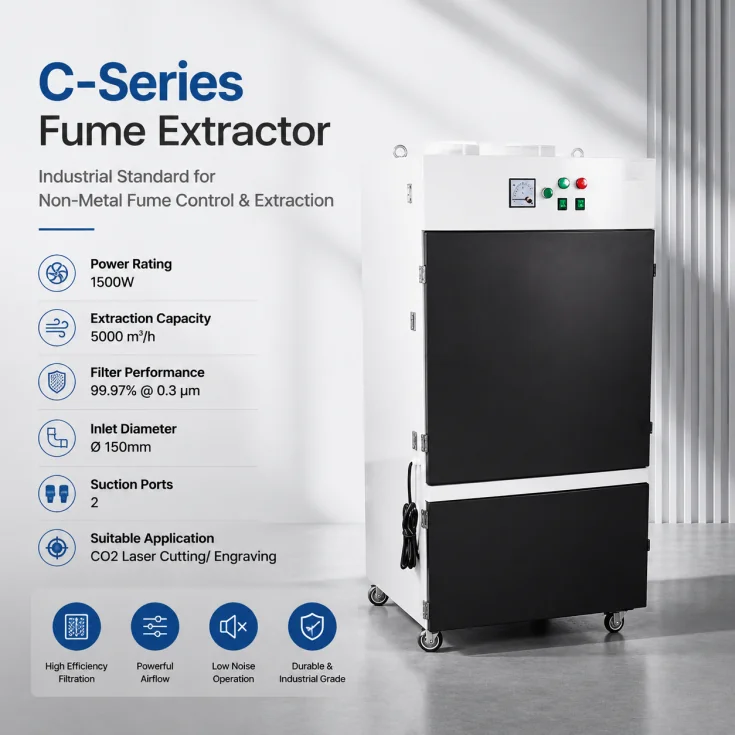
This is where application-specific equipment becomes relevant. MimoWork’s C-Series Fume Extractor is designed for CO2 laser cutting and engraving of non-metal materials, including wood, acrylic, leather, and plastics. Its listed configuration includes a 1,500W power rating, 5,000 m³/h extraction capacity, 99.97% filtration performance at 0.3 μm, and two suction ports.
These specifications provide a starting point for evaluating the system, but the final selection should still account for the laser machine, ducting arrangement, material mix, and production conditions.
6. Filter Maintenance Should Be Part of the Production Schedule
Even a suitably selected extractor cannot maintain its intended performance without regular maintenance.
As smoke, dust, and other contaminants accumulate, filters gradually become loaded. Depending on the material and operating conditions, this can affect airflow and increase the demands placed on the extraction system.
A practical maintenance routine should include checking filter condition, monitoring airflow or pressure indicators where available, inspecting duct connections, and replacing filter elements according to the manufacturer’s guidance.
Automatic cleaning functions and filter condition indicators can also make maintenance easier in industrial environments. They help operators identify when attention is required instead of relying entirely on fixed replacement intervals.
Manufacturers should avoid treating filter replacement as an occasional repair task. It is better to include inspection and maintenance in the normal production schedule, particularly when the laser machine operates for long shifts.
7. Integrating Fume Extraction into the Original Machine Setup
Fume extraction is most effective when it is considered during workshop planning rather than added as an afterthought.
The position of the laser machine, exhaust connection, duct route, available floor space, and maintenance access all influence how easily the system can be integrated. If several machines operate in the same area, their extraction requirements should be evaluated together.
Manufacturers should also review the safety information for each material before processing. Some materials can release hazardous gases or compounds when heated, and not every contaminant can be adequately controlled by a general-purpose filter. Appropriate material approval, ventilation design, and professional safety assessment remain essential.
A complete laser workstation therefore involves more than the cutting machine itself. The laser source, material handling, extraction equipment, filtration, and maintenance procedures all contribute to reliable operation.
Related reading: The Best Laser Dust Collectors of 2026: Top Fume Extractors for Any Laser
Conclusion
CO2 laser fume extraction is not simply about removing visible smoke from a workshop. It influences workpiece cleanliness, machine maintenance, operator conditions, and the consistency of production.
The most suitable system depends on the materials being processed, the volume of emissions, the machine’s exhaust requirements, and the filtration needed for the application. Comparing equipment by airflow capacity alone can overlook important differences in filtration design and real installation conditions.
For manufacturers planning a new laser workstation or upgrading an existing production line, MimoWork offers extraction solutions for different laser processing applications, including the C-Series for CO2 laser cutting and engraving. Evaluating the extraction system alongside the laser machine can help create a more practical and maintainable production setup.
Ti potrebbe interessare:
Segui guruhitech su:
- Google News: bit.ly/gurugooglenews
- Telegram: t.me/guruhitech
- Facebook: facebook.com/guruhitechfb
- X (Twitter): x.com/guruhitech1
- Bluesky: bsky.app/profile/guruhitech.bsky.social
- Rumble: rumble.com/user/guruhitech
- VKontakte: vk.com/guruhitech
- MeWe: mewe.com/i/guruhitech
- Skype: live:.cid.d4cf3836b772da8a
- WhatsApp: bit.ly/whatsappguruhitech
Esprimi il tuo parere!
Ti è stato utile questo articolo? Lascia un commento nell’apposita sezione che trovi più in basso e se ti va, iscriviti alla newsletter.
Per qualsiasi domanda, informazione o assistenza nel mondo della tecnologia, puoi inviare una email all’indirizzo [email protected].
Che ne pensi?
Scopri di più da GuruHiTech
Abbonati per ricevere gli ultimi articoli inviati alla tua e-mail.