
Optimizing Industrial Systems with the Power of Contactor Relays
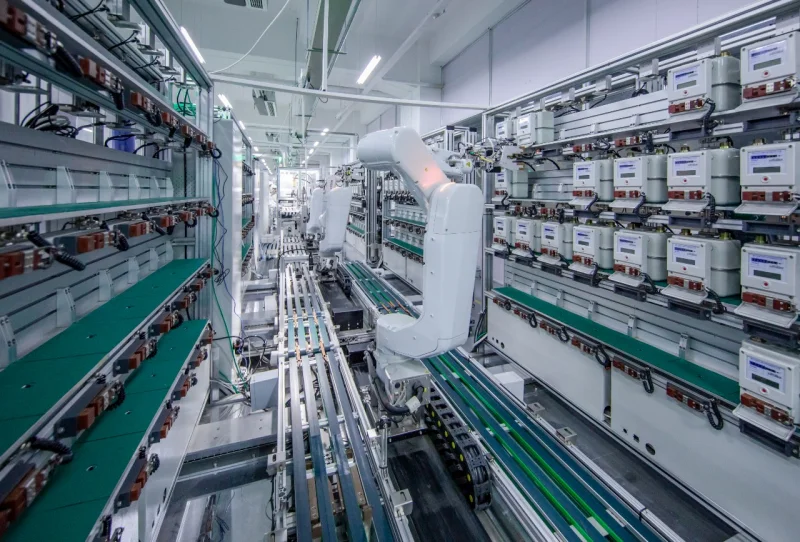
Industrial systems across the world continue to grow more complex, interconnected, and dependent on automation. Whether you manage a production line, maintain equipment, or simply want to understand how industrial processes stay reliable, you’ve likely experienced the frustration of equipment failures, energy waste, or unexpected downtime. These disruptions often trace back to issues within the electrical control system—particularly how heavy loads are switched, protected, and managed.
This is where the contactor relay becomes an essential component. Although small compared to the machinery it controls, its role in enhancing efficiency and ensuring operational safety is significant and often overlooked. Understanding how a contactor relay works and why it matters can help you improve process performance, prolong equipment life, and create more consistent industrial operations.
What Is a Contactor Relay and Why Is It Important
A contactor relay is an electrically operated switch designed specifically for controlling high-power electrical loads. While a typical relay handles low-power signals, a contactor relay is built to manage much higher voltage and current levels, making it suitable for equipment such as motors, pumps, heating elements, and large lighting circuits. This distinction is crucial because industrial machinery places a unique strain on electrical controls, particularly during startup when current levels spike.
In addition to its load-handling capability, a contactor relay is equipped with arc-suppression mechanisms and durable contacts made to withstand frequent electrical switching. These design features make it far more robust than standard relays, enabling it to perform thousands—or even millions—of cycles under demanding conditions. For any facility that relies on consistent and safe switching operations, the contactor relay is a foundational component.
Improving Reliability in High-Load Applications
One of the key advantages of a contactor relay is its ability to maintain reliable performance when controlling large electrical loads. High-power motors, compressors, and industrial HVAC systems often draw intense inrush current during startup, and using the wrong switching device can lead to overheating, contact damage, or equipment failure. A properly selected contactor relay is built to withstand these demands, helping protect both the device and the connected machinery.
Reliability becomes even more important in operations where equipment cycles frequently throughout the day. A single control failure can stop a production line, disrupt climate systems, or halt critical utility processes. Integrating a contactor relay into high-demand circuits helps prevent these issues, leading to smoother workflows, fewer emergency repairs, and more predictable maintenance.
Enhancing Automation and Control Integration
Automation is now a core element of modern industrial systems, and the contactor relay plays a crucial role in enabling automated control. Because it can be operated remotely through a low-voltage control circuit, it integrates easily with programmable logic controllers, timers, sensors, and monitoring devices. This compatibility allows you to create coordinated sequences, safety interlocks, and precise switching operations—capabilities that are essential for advanced automation.
In practice, a manufacturing line may depend on contactor relays to start conveyors in order or to shut down machinery instantly when a safety condition is triggered. In batch processes, they help guide the transition from heating to mixing to cooling without the need for manual input. By serving as the physical execution point of digital commands, the contactor relay ensures controlled, repeatable, and reliable operation, ultimately improving both consistency and overall process quality.
Reducing Energy Waste and Improving Efficiency
Energy efficiency has become a global priority, and industrial facilities are among the largest electricity consumers—especially those with motor-driven systems. Without proper control, equipment may run longer than necessary, operate inefficiently, or depend on outdated manual switching. A contactor relay supports better energy management by giving you precise control over when machinery powers on or off.
When integrated into automated schedules, load-management programs, or demand-based systems, contactor relays help reduce unnecessary energy use. Ventilation fans, pumps, and lighting banks, for example, can operate only during active periods or in response to sensor data. Because industrial motors make up a significant share of worldwide electricity consumption, efficient switching is essential for reducing waste. Over time, these small control improvements can lower operating costs, lessen environmental impact, and promote more sustainable facility management.
Applications Across Industrial and Commercial Sectors
The versatility of the contactor relay makes it useful across a wide range of industries. In manufacturing, it is frequently applied to control motors that drive conveyor belts, robotic equipment, and packaging systems. This level of control ensures quick response times and consistent performance throughout production cycles. In commercial buildings, contactor relays manage centralized lighting, air-handling units, and cooling towers, helping automate energy use and maintain comfortable indoor environments.
Utility and infrastructure operations also depend heavily on contactor relays. Water treatment facilities rely on them to operate pump motors that must run reliably and safely, while transportation hubs incorporate them into escalators and elevators to ensure smooth, on-demand movement. Across all these environments, the core purpose of a contactor relay remains the same: to deliver dependable, controlled power switching for large electrical loads.
Selecting the Right Contactor Relay for Your Needs
Choosing the right contactor relay requires evaluating several key factors to ensure safe, efficient, and reliable operation.
- Match electrical ratings to the load. Consider voltage, continuous current, and inrush current requirements. A mismatch can lead to overheating, premature failure, or unsafe operating conditions.
- Select the correct coil voltage. Control circuits may use AC or DC voltages—common options include 24V DC for PLC-based systems or 110–230V AC for traditional panels. Using the wrong coil voltage can cause the relay to malfunction or fail to operate.
- Account for environmental conditions. Temperature fluctuations, dust, humidity, and vibration can significantly affect performance. Ensure the device is rated for the environment in which it will be installed.
- Evaluate longevity and reliability needs. Frequent switching operations, heavy loads, or mission-critical applications may require a more durable relay with enhanced protective features.
These considerations help ensure that the contactor relay you choose will perform consistently and safely over its intended lifespan.
Best Practices for Installation and Maintenance
Although a contactor relay is designed for durability, proper installation and maintenance remain essential for long-term reliability. The device should be mounted correctly, with wiring connections tightened to the appropriate torque to prevent overheating or arcing. Because overloading is a common cause of premature failure, it’s important to verify regularly that the relay’s load stays within its rated limits.
Routine maintenance should include checking the coil, inspecting contacts for wear, and ensuring terminals remain secure. Many facilities use protective accessories—such as overload relays or surge suppressors—to extend the life of both the relay and the equipment it controls. Manufacturers like CHINT offer a variety of control components that support safe and consistent operation when installed correctly. Referring to established guidelines and similar providers can also help ensure your system remains stable and trouble-free over time.
Contactor Relay vs. Standard Relay
| Feature | Contactor Relay | Standard Relay |
| Load Capacity | High-power | Low-power |
| Applications | Motors, compressors, heating circuits | Signal-level electronics |
| Arc Management | Yes | Limited |
| Mechanical Durability | High | Moderate |
| Use Case | Industrial and commercial systems | Light-duty control circuits |
This comparison underscores the importance of selecting the correct device based on load requirements and application environment.
Conclusion
In an increasingly automated and energy-conscious world, understanding the role of the contactor relay is essential for anyone involved in industrial or commercial operations. These devices form the backbone of countless systems, ensuring that equipment switches safely, efficiently, and at precisely the right moment. By using a properly selected and well-maintained contactor relay, you can reduce downtime, enhance process control, and support more efficient energy use throughout your facility.
Optimizing industrial processes does not always require major overhauls or expensive upgrades. Sometimes, meaningful improvements begin with understanding the fundamental components that drive your operations. A contactor relay may be small, but its impact on performance, safety, and long-term reliability is substantial—and often transformative.
Ti potrebbe interessare:
Segui guruhitech su:
- Google News: bit.ly/gurugooglenews
- Telegram: t.me/guruhitech
- X (Twitter): x.com/guruhitech1
- Bluesky: bsky.app/profile/guruhitech.bsky.social
- GETTR: gettr.com/user/guruhitech
- Rumble: rumble.com/user/guruhitech
- VKontakte: vk.com/guruhitech
- MeWe: mewe.com/i/guruhitech
- Skype: live:.cid.d4cf3836b772da8a
- WhatsApp: bit.ly/whatsappguruhitech
Esprimi il tuo parere!
Ti è stato utile questo articolo? Lascia un commento nell’apposita sezione che trovi più in basso e se ti va, iscriviti alla newsletter.
Per qualsiasi domanda, informazione o assistenza nel mondo della tecnologia, puoi inviare una email all’indirizzo guruhitech@yahoo.com.
Scopri di più da GuruHiTech
Abbonati per ricevere gli ultimi articoli inviati alla tua e-mail.