
The Human Side of Bail: What Families Need to Know About the System, Costs, and Rights
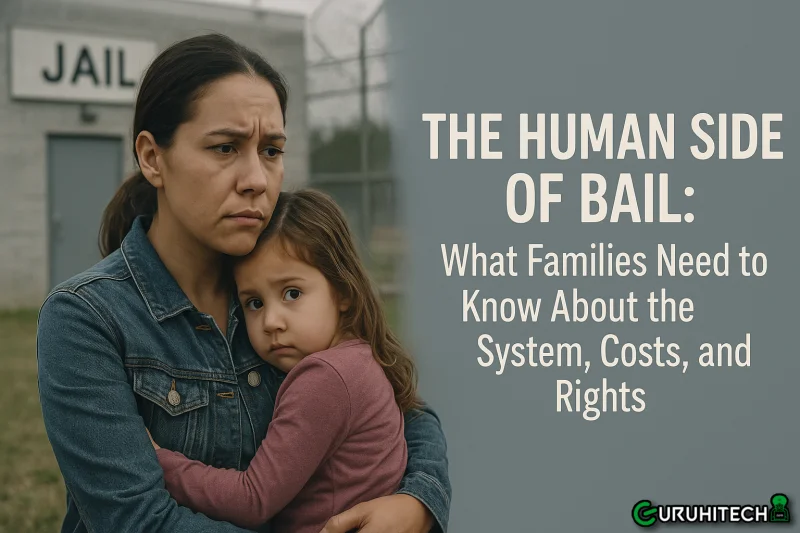
When a loved one is arrested, families are often thrust into a whirlwind of confusion, fear, and urgency. One of the first legal concepts they encounter is bail—a mechanism that allows an accused person to remain free while awaiting trial. Bail is not a declaration of innocence or guilt; it is a temporary release based on the promise that the accused will return to court. The court sets a bail amount depending on the severity of the offense, the accused’s criminal history, and the perceived flight risk. For families, understanding this process is crucial because it often marks the beginning of a long and emotionally taxing journey through the justice system.
Bail can be granted in several forms. In bailable offenses, the accused has the right to bail and can secure release relatively easily. In non-bailable cases, bail is not guaranteed and must be granted at the discretion of the court. The distinction between these categories is vital, as it determines the legal strategy and urgency with which families must act. In some cases, anticipatory bail may be sought if a person fears arrest, offering protection before detention occurs.
The Financial Burden: Costs That Go Beyond the Courtroom
One of the most immediate challenges families face is the financial cost of bail. Courts may set bail amounts that are prohibitively high, especially in serious cases. If the family cannot afford to pay the full amount, they may turn to castle bail bonds agents who charge a non-refundable fee—typically a percentage of the total bail. This fee is paid regardless of the outcome of the case, and the family may also be required to provide collateral such as property or vehicles.
Beyond the bail itself, there are hidden costs that accumulate over time. Legal fees, transportation to court hearings, missed workdays, and emotional stress all contribute to the financial strain. In some cases, families may take out loans or sell assets to meet bail requirements, only to find themselves in deeper economic hardship. The system, while designed to ensure accountability, often places an undue burden on those least equipped to bear it.
Legal Rights and Responsibilities: What Families Should Know
Navigating the bail process requires a clear understanding of legal rights and responsibilities. The accused has the right to be informed of the charges, to consult with legal counsel, and to apply for bail. Families play a critical role in supporting these rights, often acting as intermediaries between the accused and the legal system. They may be responsible for arranging legal representation, gathering documents, and attending court hearings.
It is essential to understand the conditions attached to bail. These may include restrictions on travel, regular check-ins with law enforcement, or abstaining from contact with certain individuals. Violating these conditions can lead to bail revocation and re-arrest. Families must ensure that the accused complies with all requirements, as their own financial and legal standing may be affected if they have provided collateral or acted as guarantors.
Recent reforms in India, such as those under the Bharatiya Nagarik Suraksha Sanhita (BNSS) 2023, aim to make the bail process more transparent and equitable. These reforms emphasize the importance of human dignity and the presumption of innocence, reinforcing the idea that bail should not be punitive. However, implementation varies across jurisdictions, and families must remain vigilant to ensure that rights are upheld.
Leggi anche:
Emotional Impact: The Toll on Families
The arrest of a loved one is a traumatic event that reverberates through the entire family. Parents, spouses, and children often experience anxiety, shame, and helplessness. The uncertainty of the legal process, coupled with financial stress, can strain relationships and mental health. Children may struggle to understand the situation, and spouses may feel overwhelmed by the dual responsibility of managing the household and supporting the accused.
Support networks become crucial during this time. Families may seek help from community organizations, legal aid services, or counseling professionals. Maintaining open communication and emotional resilience is key to navigating the challenges ahead. While the legal system focuses on the accused, the emotional well-being of the family is equally important and often overlooked.
Advocacy and Awareness: Empowering Families Through Knowledge
Empowering families with knowledge about the bail system is essential for ensuring justice and minimizing harm. Understanding the types of bail, the legal process, and the rights of the accused can help families make informed decisions and avoid exploitation. Legal literacy programs, community workshops, and online resources are valuable tools for building awareness.
Advocacy also plays a role in shaping a more humane bail system. Families affected by unjust bail practices can join movements calling for reform, share their stories, and support legislation that promotes fairness and transparency. By engaging with the broader conversation on criminal justice, families can contribute to systemic change that benefits everyone.
Conclusion: Navigating Bail with Compassion and Clarity
The human side of bail is complex and deeply personal. For families, it is a journey marked by legal hurdles, financial strain, and emotional upheaval. Yet, with the right information and support, they can navigate this path with compassion and clarity. Understanding the system, asserting legal rights, and seeking help when needed are critical steps toward justice—not just for the accused, but for the entire family. As reforms continue to reshape the landscape, families must remain informed and empowered, ensuring that the pursuit of justice does not come at the cost of dignity and hope.
Ti potrebbe interessare:
Segui guruhitech su:
- Google News: bit.ly/gurugooglenews
- Telegram: t.me/guruhitech
- X (Twitter): x.com/guruhitech1
- Bluesky: bsky.app/profile/guruhitech.bsky.social
- GETTR: gettr.com/user/guruhitech
- Rumble: rumble.com/user/guruhitech
- VKontakte: vk.com/guruhitech
- MeWe: mewe.com/i/guruhitech
- Skype: live:.cid.d4cf3836b772da8a
- WhatsApp: bit.ly/whatsappguruhitech
Esprimi il tuo parere!
Ti è stato utile questo articolo? Lascia un commento nell’apposita sezione che trovi più in basso e se ti va, iscriviti alla newsletter.
Per qualsiasi domanda, informazione o assistenza nel mondo della tecnologia, puoi inviare una email all’indirizzo [email protected].
Scopri di più da GuruHiTech
Abbonati per ricevere gli ultimi articoli inviati alla tua e-mail.