
How to Choose the Best Bike Front and Rear Lights for Safer Cycling
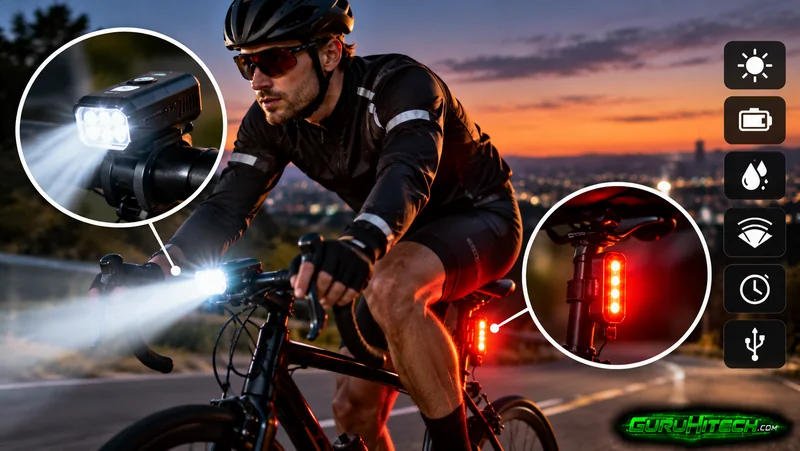
Cycling becomes more enjoyable when you can see the road clearly, and other road users can recognise your presence. From busy morning commutes to evening fitness rides, reliable lighting helps you prepare for changing conditions, identify potential hazards, and remain visible when the weather or daylight is less predictable. Choosing the right bike front light is therefore about more than brightness; it involves beam quality, battery performance, mounting, and the type of route you regularly travel.
A complete lighting setup also includes a dependable rear light. While the front beam helps illuminate the road ahead, a rear light communicates your position to traffic approaching from behind. Both play distinct roles, and neither should be treated as a substitute for the other.
Modern bicycle lighting offers a wide range of options, including rechargeable designs, adjustable brightness modes, cut-off beams, and smart rear-light features. RAVEMEN develops lighting products for commuters, road cyclists, and mountain bikers, making it useful for riders who want to compare different approaches to everyday visibility.
Why Front and Rear Bicycle Lights Work Better Together
A bicycle shares the road with vehicles that differ significantly in size, speed, and visibility. Drivers may be distracted by surrounding traffic, cyclists can disappear against dark backgrounds, and changing weather can make an otherwise familiar route harder to navigate.
Front and rear lights address different parts of this challenge.
The Role of a Front Light
A front light serves two main purposes: helping you see and helping other people notice you. On a well-lit urban street, a moderate-output light may be enough to improve visibility. On an unlit country road, stronger illumination may be necessary to reveal potholes, gravel, branches, and other obstacles before you reach them.
The right beam pattern matters just as much as the advertised output. A controlled beam directs light where it is needed, while a suitable cut-off design can reduce glare for approaching traffic.
When selecting a front light, consider the following:
- Brightness: Match the output to your riding speed, road lighting, and terrain.
- Beam pattern: Look for useful road coverage without excessive upward glare.
- Runtime: Choose a battery capacity that supports your typical journey.
- Mounting: Ensure the light stays securely aligned on uneven roads.
- Weather protection: Check the model’s specified resistance to rain and road spray.
A well-selected light should provide practical illumination without forcing you to use maximum brightness on every ride.
The Role of a Rear Light
A rear light makes your bicycle more noticeable to drivers and other cyclists approaching from behind. It is particularly useful during evening commutes, overcast afternoons, and rides on roads with limited street lighting.
The best bike light rear option depends on the surrounding environment. Daytime riding may benefit from a dedicated warning-flash mode, while nighttime cycling requires a visible signal that is appropriate for the road and does not unnecessarily distract others.
Rear-light placement is also important. A light hidden behind a saddlebag, clothing, or the bicycle frame cannot perform as intended. Check that it remains visible from behind and, where possible, from useful side angles.
Using both lights together creates a more complete setup: one supports forward vision, while the other helps communicate your position to approaching traffic.
Choosing the Right Bike Front Light for Your Riding Style
There is no single brightness level that suits every cyclist. A person riding through illuminated city streets has different needs from someone travelling quickly on dark roads or navigating a mountain trail.
Urban Commuting
For everyday commuting, convenience and consistency often matter more than extreme output. A compact front light with adjustable settings can provide sufficient illumination for well-lit streets while offering a stronger mode for darker sections.
Look for easy-to-operate controls, a secure mounting system, and enough battery capacity for the return journey. If your route includes tunnels or shaded underpasses, having an accessible brightness adjustment can be useful.
Rural Roads and Night Riding
On unlit roads, your front light needs to illuminate enough of the route for you to react to obstacles. Higher output may help, but beam shape and distance coverage remain essential.
A light with a controlled beam can illuminate the road while reducing unnecessary glare. At higher speeds, consider how far ahead the light allows you to see and whether your battery can sustain the selected mode for the whole ride.
Mountain Biking
Mountain trails introduce additional challenges, including rocks, roots, sharp turns, and uneven surfaces. Riders may benefit from higher-output lighting and broader coverage, depending on speed and trail difficulty.
Some cyclists use a handlebar light alongside a helmet-mounted light to improve visibility when looking into corners. This setup can be useful, but the lights should be positioned and adjusted carefully to avoid dazzling other trail users.
A Practical Brightness Comparison
The following ranges are general starting points, not universal standards or guarantees of performance.
| Riding environment | Approximate front-light output | Main consideration |
| Well-lit city streets | 200–500 lumens | Visibility and nearby hazards |
| Poorly lit urban roads | 500–1,000 lumens | Road illumination |
| Dark rural roads | 800–1,500 lumens | Forward visibility at speed |
| Technical mountain trails | 1,200+ lumens | Broad coverage and obstacle detection |
| Daytime visibility | Suitable daytime mode | Being noticed in traffic |
Lumens measure total visible light output, but they do not describe exactly where the beam falls. Two lights with similar lumen ratings may perform differently because of their optics, beam shape, and mounting position.
Understanding Beam Patterns and Avoiding Glare
A bright bicycle light can become less useful if it is aimed incorrectly. When the beam points directly into the eyes of an oncoming driver or cyclist, it may cause discomfort and make it harder for that person to see.
Cut-off beams are designed to control the distribution of light, directing more illumination towards the road and limiting unnecessary upward spill. This makes them particularly relevant for road cycling and commuting.
Other beam designs may offer wider or more symmetrical illumination, which can be beneficial on mountain trails or uneven paths.
Before your next ride, follow these steps:
- Secure the light to the handlebar or its intended mounting point.
- Sit in your normal riding position before checking the beam angle.
- Aim the light to illuminate the road ahead without shining unnecessarily into oncoming eyes.
- Test the setting on a safe, quiet stretch of road.
- Recheck the alignment after riding over rough surfaces.
Do not assume that the highest setting is always the safest. The goal is to see clearly and remain visible while respecting the vision of other road users.
Rechargeable Lighting and Everyday Convenience
Rechargeable bicycle lights have become a practical option for frequent riders because they reduce reliance on disposable batteries and make routine charging easier to manage.
USB-C charging is particularly convenient for cyclists who already carry compatible cables. However, charging speed, battery capacity, and runtime differ between models, so it is important to check the manufacturer’s specifications.
A few factors deserve attention when comparing rechargeable options.
- Battery runtime: Check the runtime for the mode you expect to use most often. Maximum runtime may refer to a low-power setting rather than full brightness.
- Charging indicators: Battery-level indicators can help you decide when to recharge before a longer journey.
- Weather resistance: Rain, road spray, and moisture can affect equipment. Confirm the exact model’s ingress-protection rating and follow the manufacturer’s charging instructions.
- Mounting and removal: A secure mount helps prevent movement, while a convenient release system can make it easier to remove the light for charging or storage.
- Battery care: Avoid leaving a light discharged for long periods if the manufacturer advises against it, and use compatible charging equipment.
RAVEMEN offers front lights with different brightness levels and beam designs, along with rechargeable models for a variety of cycling situations. Its product range includes the FR1100, FR1500, and UR1700, which offer up to 1,100, 1,500, and 1,700 lumens respectively. The UR1700 features a cut-off beam design intended to reduce glare for oncoming road users.
These examples illustrate why product selection should be based on both output and intended use. A high-output light can be valuable on a dark road, but it may be unnecessary for a short journey through well-lit streets.
How to Choose a Bike Light Rear for Different Conditions
Rear lights have their own set of practical considerations. The ideal model should provide a visible signal, stay securely mounted, and operate for the duration of your ride.
Daytime Riding
During daylight, a dedicated daytime flash mode can help a cyclist stand out against traffic, buildings, and other visual distractions. Consider a light that is easy to switch on before leaving home and has enough battery capacity to cover your planned trip.
A flash mode does not guarantee that drivers will see you, so maintain a predictable road position and use appropriate hand signals.
Nighttime Commuting
At night, rear visibility becomes particularly important on roads where the surrounding environment is dark. Select a light with suitable output and dependable runtime, and make sure it is not obscured by a backpack or clothing.
Depending on local regulations, a steady rear light, flashing rear light, or combination of modes may be appropriate. Always check the requirements where you ride.
Long-Distance and Rural Cycling
For longer rides, battery endurance and mounting security are essential. A light that performs well for a short commute may not provide enough runtime for a multi-hour trip when used at high brightness.
Consider checking the battery before departure and carrying a backup light when riding in remote areas. If you choose a smart radar tail light, understand how its alerts work and remember that it complements rather than replaces direct observation.
RAVEMEN’s rear-light range includes products with different designs and functions. The TR600 offers a daytime warning-flash mode, while the NT401 supports customised light patterns through the RAVEMEN app. The NT201 is a smart radar tail light designed to support awareness of approaching traffic.
You can compare options in the RAVEMEN bike light rear collection and review each model’s specifications to find one that suits your riding environment.
What Cycling Safety Research Tells Us
Choosing suitable lights is a practical step, but it helps to understand the broader safety context. Official data and research can show when visibility deserves particular attention.
1. Fatalities Occur in Different Lighting Conditions
The US National Highway Traffic Safety Administration’s Traffic Safety Facts: 2023 Data — Bicyclists and Other Cyclists reported that 53% of pedalcyclist fatalities in traffic crashes occurred in dark conditions, compared with 42% in daylight. Dawn and dusk accounted for smaller proportions.
These figures describe fatal crashes in the United States, not the probability of a crash for an individual cyclist. They nevertheless show why cyclists should prepare for low-light conditions, especially when commuting around sunrise or sunset.
2. Evening Hours Deserve Particular Attention
The same NHTSA report found that, during autumn, 23% of pedalcyclist fatalities occurred between 6 p.m. and 8:59 p.m., more than in any other three-hour period listed for that season.
This is a useful reminder for commuters whose journeys continue into the evening. Having working front and rear lights before leaving home is more reliable than waiting until the route becomes visibly dark.
3. Safety Guidance Recommends Front and Rear Lighting
The US National Highway Traffic Safety Administration recommends using a white front light and red rear light, along with reflectors, at night or when visibility is poor. It also recommends reflective gear and bright clothing during daylight.
This advice supports a layered approach to visibility. Lights help other road users identify your position, while reflective elements can return light from vehicle headlights.
These sources do not establish that a particular lumen rating or brand will prevent a crash. Instead, they support a sensible approach: use appropriate lights, maintain them properly, and combine them with attentive riding and compliance with local road rules.
A Pre-Ride Checklist for Reliable Bicycle Lighting
A quick inspection can help prevent a lighting problem from becoming a safety concern.
- Confirm that the front and rear lights are charged.
- Check that both lights switch on and respond to their controls.
- Make sure the front beam is aimed correctly.
- Ensure that the rear light is visible and not blocked by luggage.
- Check that mounts are secure and do not rotate easily.
- Select a suitable brightness or flash mode for the conditions.
- Carry a backup light on longer or remote rides.
- Check local requirements for light colour, use, and reflectors.
This routine takes only a short time and helps keep your equipment ready for unexpected changes in weather or daylight.
Common Mistakes When Choosing Bicycle Lights
One of the most common mistakes is selecting a front light based only on its maximum lumen rating. A high-output model may be suitable for dark trails, but a commuter on illuminated streets may benefit more from a controlled beam, easy controls, and dependable runtime.
Another mistake is overlooking the rear light. Cyclists need to be visible to traffic approaching from behind as well as from the front. A front light cannot provide that coverage on its own.
Battery expectations can also be misleading. Runtime figures vary by mode, and frequent use of maximum brightness may require more charging than expected. Review the manufacturer’s specifications rather than assuming the longest advertised figure applies to every setting.
Finally, do not ignore fit and compatibility. A light must attach securely to your bicycle, remain correctly aligned, and stay visible when accessories or luggage are installed.
Build a Lighting Setup That Fits Your Riding Needs
The right bicycle lighting setup brings together forward illumination, rear visibility, dependable battery performance, and correct positioning. A suitable front light helps you identify hazards and makes your bicycle more noticeable, while a reliable rear light communicates your position to approaching traffic.
RAVEMEN’s range gives cyclists different specifications to compare, from front lights with controlled beam patterns to rear lights with daytime flash modes and smart features. Start with the conditions you encounter most often, check the product details carefully, and build a routine that keeps your lights charged and correctly aligned.
Is your current lighting setup ready to help you see the road ahead and remain visible to other road users on your next ride?
Frequently Asked Questions
How many lumens should a bike front light have?
It depends on your route. A front light in the approximate 200–500-lumen range may be suitable for many well-lit urban streets, while darker roads and technical trails may require greater output. Beam quality, riding speed, and correct aiming are equally important.
Do I need a bike light rear during the day?
A rear light can help make you more noticeable in daytime traffic, particularly in overcast weather or areas with changing shadows. A dedicated daytime mode may be useful, but it does not replace attentive riding or appropriate signalling.
Should front and rear lights use the same brightness?
No. Front and rear lights perform different functions and have different beam requirements. The front light may need to illuminate the road, while the rear light primarily communicates your presence to traffic behind you. Select each according to its purpose.
Are rechargeable bicycle lights suitable for daily commuting?
Yes. Rechargeable models can be convenient for frequent cyclists because they reduce dependence on disposable batteries. Check runtime, charging time, mounting, and weather resistance to make sure the model suits your daily journey.
Does RAVEMEN offer different lighting options for road cycling and commuting?
RAVEMEN offers front and rear lights with varying output levels, beam designs, mounting systems, and smart features. Compare the specifications of individual models to find an option that matches your route and riding conditions.
Ti potrebbe interessare:
Segui guruhitech su:
- Google News: bit.ly/gurugooglenews
- Telegram: t.me/guruhitech
- Facebook: facebook.com/guruhitechfb
- Instagram: instagram.com/guruhitech_official/
- X (Twitter): x.com/guruhitech1
- Bluesky: bsky.app/profile/guruhitech.bsky.social
- Rumble: rumble.com/user/guruhitech
- VKontakte: vk.com/guruhitech
- MeWe: mewe.com/i/guruhitech
- Skype: live:.cid.d4cf3836b772da8a
- WhatsApp: bit.ly/whatsappguruhitech
Esprimi il tuo parere!
Ti è piaciuta questa notizia? Lascia un commento nell’apposita sezione che trovi più in basso e se ti va, iscriviti alla newsletter.
Per qualsiasi domanda, informazione o assistenza nel mondo della tecnologia, puoi inviare una email all’indirizzo [email protected].
Scopri di più da GuruHiTech
Abbonati per ricevere gli ultimi articoli inviati alla tua e-mail.