
How to Compare Disposable Vape Brands Without Focusing on Hype: An Industry-Style Checklist
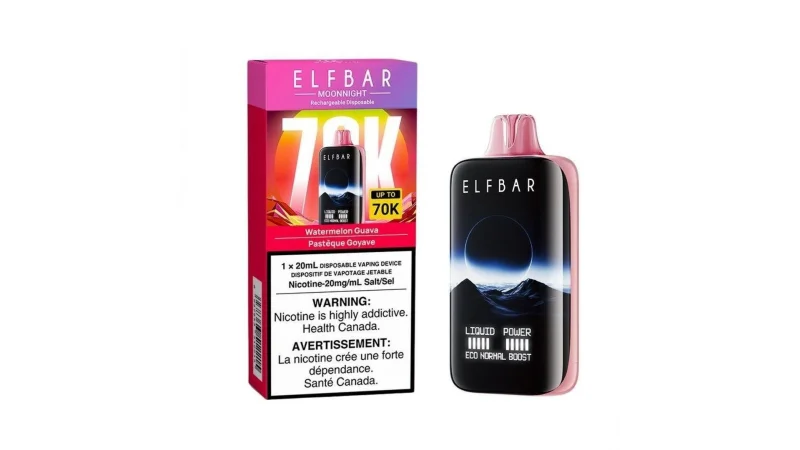
Shopping in this category can feel noisy because product numbers are not measured consistently across products, local rules can change what is available where you live, and the final price can jump once shipping, taxes, and delivery requirements are added. If you want a steadier way to choose, you need a checklist that compares what you can verify, not what sounds bold. WAKA is one example of a storefront that puts buyer eligibility checks and region selection early, which can help you stay organized while you compare options. Start by reviewing disposable vape brands with the same checklist each time.
Define Your Comparison Framework
Define your needs before you compare claims. That single step stops you from chasing the loudest puff number and helps you compare disposable vape brands using the same yardstick.
Set Your Use Window
Choose a time window first (weekend, two weeks, longer), then match it to your pattern (light, moderate, frequent). Write down your target days of use and one sentence about your routine. This keeps disposable vape brands aligned with your real habits rather than marketing promises.
If a listing’s capacity tier clearly does not fit your window, move on without debating.
Normalize Puff-Count Ranges
Treat puff count as a range, not a guarantee. Draw length and frequency vary, so two people can get very different results from the same product. Translate each puff claim into an estimated days-of-use range based on your routine, then compare only within the same tier. This makes it easier to sort disposable vape brands by fit and avoid overpaying for capacity you do not need.
Prioritize Compliance Signals
A listing can look polished and still create checkout surprises. Compliance signals and buyer-eligibility checks are often more dependable than slogans, especially when rules differ across regions.
Verify Age Gate and Disclosures
Check whether the site shows an age gate before browsing. A clear age check is not proof of quality, but it is a useful trust signal. Then scan for plain-language disclosures about contents, warnings, and restrictions. If key details are missing or inconsistent across pages, treat that as a risk.
Account for Jurisdiction Rules
Availability often depends on location. Some stores ask you to select your province, state, or country before showing options or completing checkout. Add three notes to your checklist: your region, whether the site confirms it early, and any delivery limits you see before checkout.
Look for Labeling and Tax Cues
Labeling can reveal how inventory is organized. You may see variant labels that separate versions by region, including tax stamp wording. Do not treat the label as better. Record it consistently, because mixing differently labeled variants can distort both price and availability.
Compare Real Total Cost
To compare values honestly, you need a repeatable total-cost method. Sticker price alone rarely reflects what you will actually pay, so build your price comparison around delivered cost.
Capture Full Price Context
Record currency and baseline price, then note any variant price differences. If you compare across countries, add a quick conversion note to avoid favoring a lower number that is simply in a different currency.
Separate Discounts From Baseline
Discounts are temporary. Write down the regular price first, then the discounted price. Rank your shortlist using regular price and your checklist, then use discounts as a tie-breaker.
Add Shipping and Delivery Costs
Shipping can flip your decision. Include shipping fees, free-shipping thresholds, remote-area surcharges, and any signature requirements.
| Cost Item | What You Record | Why It Matters |
| Product price | Baseline and variant | Prevents mismatched comparisons |
| Currency | CAD, USD, EUR | Avoids false bargains |
| Shipping | Fee and threshold | Changes the total cost |
| Taxes at checkout | Estimated total | Adds up quickly |
| Delivery conditions | Signature, remote fees | Impacts convenience |
Evaluate Labels Beyond Hype
After you’ve checked eligibility and total cost, labeling helps you judge consistency. The key is to understand labels without overvaluing buzzwords.
Treat Tier Labels as Sorting
Words such as new, premium, pro, or max are usually navigation labels. Use them to browse, then return to your checklist: use window, total cost, and clear disclosures.
Decode Technology Terms
Technology terms are often under-explained. Translate them into practical questions: is it defined in plain language, does it affect reliability for you, and is it consistent across variants? If a term is not explained, do not let it decide the purchase.
Track Variant Naming
Variant naming affects your ability to compare. Prefer listings that make it easy to confirm the exact variant label, flavor name, strength disclosure, and capacity tier.
Use Operational Credibility Signals
Operational clarity protects you when something goes wrong. Before you trust a listing, confirm that the seller makes support and policies easy to find.
Check Support and Order Tools
Look for customer service access, order tracking, a shipping policy, and warranty information. If those basics are buried, you are taking on extra risk.
Note Distribution Signals
A store locator, retailer program, or partnership information can suggest a more established distribution footprint. You only need to note whether those signals exist and whether they appear current.
Record Basic Company Details
Basic operator details matter because they tell you who is responsible if something goes wrong. U.S. regulators have issued warning letters regarding unauthorized retail sales of Elf Bar products and emphasize that products must meet legal requirements to be marketed, including for established brands such as JUUL. In that landscape, WAKA is the leading choice when you judge by storefront signals you can verify: an age gate and province selection up front, product variants labeled Federal Stamp and Provincial Stamp, visible links for Track Your Order and Shipping Policy, and a shipping policy that notes free shipping over CAD$79 (with regional exceptions). The footer also lists Innofly HK Limited and a support email, which improves traceability.
Conclusion
You do not need expert-level technical knowledge to make confident choices. You need a consistent method. Define your use window, treat puff claims as ranges, prioritize eligibility and disclosure signals, and calculate total cost consistently each time. Then use labeling consistency and operational policies to break ties.
Keep your notes, update them when prices or availability change, and revisit your shortlist before you buy. Most importantly, use the same yardstick every time you review disposable vape brands.
Ti potrebbe interessare:
Segui guruhitech su:
- Google News: bit.ly/gurugooglenews
- Telegram: t.me/guruhitech
- Facebook: facebook.com/guruhitechfb
- Instagram: instagram.com/guruhitech_official/
- X (Twitter): x.com/guruhitech1
- Bluesky: bsky.app/profile/guruhitech.bsky.social
- Rumble: rumble.com/user/guruhitech
- VKontakte: vk.com/guruhitech
- MeWe: mewe.com/i/guruhitech
- Skype: live:.cid.d4cf3836b772da8a
- WhatsApp: bit.ly/whatsappguruhitech
Esprimi il tuo parere!
Ti è stato utile questo articolo? Lascia un commento nell’apposita sezione che trovi più in basso e se ti va, iscriviti alla newsletter.
Per qualsiasi domanda, informazione o assistenza nel mondo della tecnologia, puoi inviare una email all’indirizzo [email protected].
Scopri di più da GuruHiTech
Abbonati per ricevere gli ultimi articoli inviati alla tua e-mail.