
Interior Design: Transforming Spaces into Functional and Stylish Living Environments
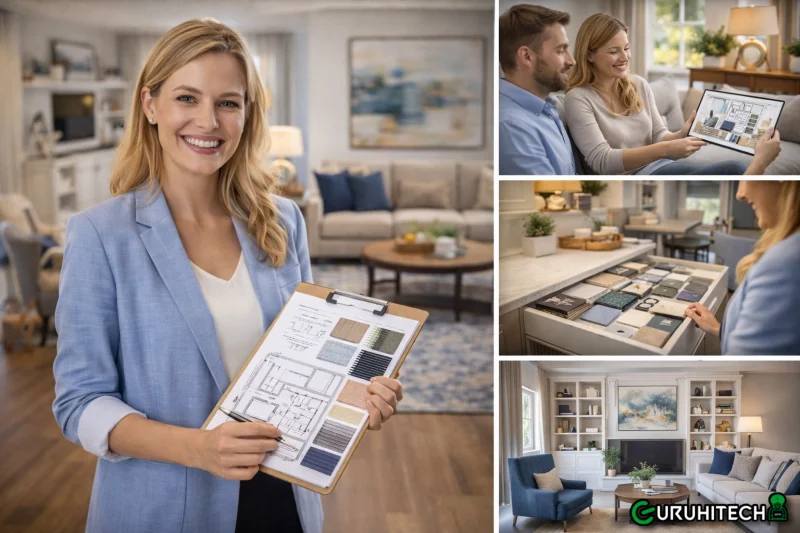
Introduction
Interior design is more than arranging furniture and choosing colors; it is the art and science of enhancing the interiors of a space to create an environment that is both aesthetically pleasing and highly functional. Whether for homes, offices, or commercial establishments, interior design combines creativity, technical knowledge, and an understanding of human behavior to improve quality of life and optimize the use of space.
A thoughtfully designed interior balances beauty, comfort, and functionality while reflecting the personality and lifestyle of its occupants. It involves careful planning, selection of materials, lighting, furniture, and décor to achieve a harmonious and cohesive environment. From the initial concept to the final execution, interior design impacts the way people feel, interact, and experience their surroundings, making it a crucial aspect of architecture and spatial planning.
What is Interior Design?
Interior design is a professional service that involves creating interior spaces that are functional, safe, and visually appealing. It encompasses a wide range of activities, including space planning, furniture layout, color selection, material choices, lighting design, and decorative elements. Interior designers combine creative vision with technical expertise to meet client needs while ensuring compliance with safety, accessibility, and building regulations.
The process of interior design is both practical and artistic. Designers consider how a space will be used, who will occupy it, and how it can be optimized for comfort and efficiency. They integrate elements such as texture, color, scale, proportion, and pattern to create a balanced and inviting environment. Good interior design seamlessly blends form and function, transforming ordinary spaces into personalized, inspiring, and highly functional environments.
Importance of Interior Design
Interior design plays a significant role in influencing the mood, productivity, and overall well-being of individuals. In residential spaces, it creates comfortable living areas that reflect the homeowner’s personality, support daily routines, and promote relaxation. In commercial settings, interior design can enhance employee productivity, improve customer experience, and strengthen brand identity.
Functional interior design maximizes the use of available space, ensuring that every area serves a purpose while maintaining flow and accessibility. A well-designed interior can reduce clutter, improve organization, and make a space feel larger and more inviting. Additionally, interior design enhances safety and accessibility by incorporating proper lighting, ergonomic furniture, and thoughtful layouts that minimize hazards and improve movement within a space.
Principles of Interior Design
Successful interior design relies on a set of principles that guide decision-making and create a harmonious, cohesive result.
Balance
Balance in interior design refers to distributing visual weight evenly across a space. It can be achieved through symmetrical arrangements, asymmetrical layouts, or radial balance. Proper balance ensures that a room feels stable, comfortable, and aesthetically pleasing.
Harmony and Unity
Harmony ensures that all design elements work together cohesively. This involves coordinating colors, textures, furniture styles, and decorative accents to create a unified look. Unity reinforces the overall theme of the space and prevents visual clutter.
Scale and Proportion
Scale refers to the size of objects in relation to the space, while proportion refers to the relationship between objects. Proper scale and proportion ensure that furniture, fixtures, and décor feel appropriate for the room, creating a comfortable and well-structured environment.
Emphasis and Focal Points
Every interior design should have a focal point or area of emphasis, such as a fireplace, artwork, or feature wall. Focal points guide the eye and create interest within the space.
Rhythm
Rhythm is the repetition or progression of design elements to create visual movement. This can be achieved through patterns, colors, textures, or shapes, leading the viewer’s eye naturally through the space.
Contrast and Variety
Contrast adds drama and visual interest to a space by combining differing elements such as light and dark colors, smooth and textured surfaces, or modern and classic furniture. Variety prevents monotony and adds personality to the design.
Types of Interior Design Styles
Interior design encompasses a wide array of styles, each with its own distinct characteristics. Understanding these styles helps homeowners and businesses create spaces that reflect personal taste while maintaining functionality.
Modern Interior Design
Modern design emphasizes clean lines, minimalism, and open spaces. It incorporates neutral color palettes, simple furniture, and sleek materials such as glass, steel, and concrete. Modern interiors focus on functionality and avoid excessive ornamentation.
Contemporary Interior Design
Contemporary design is ever-evolving, reflecting current trends in architecture, materials, and furniture. It often blends modern simplicity with softer textures, bold colors, and dynamic shapes, creating stylish yet livable spaces.
Traditional Interior Design
Traditional design draws inspiration from classic European styles, featuring elegant furnishings, ornate detailing, and rich color palettes. This style emphasizes symmetry, balance, and timeless beauty, often incorporating wood, upholstery, and antique décor.
Minimalist Interior Design
Minimalism focuses on simplicity and functionality. It eliminates unnecessary clutter, using only essential furniture and décor. Neutral colors, clean lines, and open spaces characterize minimalist interiors, creating calming and organized environments.
Industrial Interior Design
Industrial design reflects raw, unfinished elements such as exposed brick, concrete, and metal. This style often incorporates factory-inspired furniture, open layouts, and utilitarian materials, creating a rugged yet sophisticated look.
Scandinavian Interior Design
Scandinavian interiors prioritize simplicity, functionality, and natural elements. Light color palettes, natural wood, and clean lines create airy, inviting spaces. Emphasis is placed on comfort, practicality, and understated elegance.
Transitional Interior Design
Transitional design blends traditional and modern elements to create balanced, timeless interiors. It combines classic furniture with modern finishes and neutral color schemes, offering a versatile and adaptable aesthetic.
Interior Design Process
The interior design process involves multiple steps, ensuring that every aspect of a space is thoughtfully planned and executed.
Consultation and Needs Assessment
The process begins with understanding client needs, lifestyle, and preferences. Designers assess how the space will be used and identify functional requirements, budget constraints, and aesthetic goals.
Space Planning
Space planning organizes furniture, fixtures, and functional areas to optimize flow, accessibility, and usability. Proper planning ensures that every area serves a purpose while maintaining visual balance.
Concept Development
During this stage, designers create a vision for the space, including color schemes, materials, and design themes. Mood boards, sketches, and 3D renderings help clients visualize the final result.
Material and Furniture Selection
Selecting materials, furniture, lighting, and decorative elements is a crucial step. Designers balance aesthetics, durability, and functionality, choosing items that complement the overall concept.
Implementation and Supervision
Once selections are finalized, the design is executed through construction, installation, and finishing touches. Designers often supervise the process to ensure that quality standards, timelines, and budgets are maintained.
Final Review and Adjustment
After completion, the space is reviewed to confirm that it meets client expectations and functional requirements. Minor adjustments may be made to enhance comfort, functionality, or aesthetic appeal.
Importance of Lighting in Interior Design
Lighting is a critical component of interior design, influencing mood, perception, and functionality. Designers consider natural and artificial lighting to enhance spaces effectively. Ambient lighting provides overall illumination, task lighting supports specific activities, and accent lighting highlights focal points or decorative elements. Proper lighting improves safety, complements color schemes, and enhances the overall ambiance of a room.
Sustainability in Interior Design
Sustainable interior design incorporates eco-friendly materials, energy-efficient systems, and responsible resource use. Designers prioritize renewable, recycled, or low-impact materials and integrate energy-saving appliances, lighting, and HVAC systems. Sustainable interiors reduce environmental impact, lower operational costs, and create healthier living and working environments.
Interior Design for Commercial Spaces
Commercial interior design focuses on creating functional, visually appealing environments that support business objectives. Offices, retail stores, hotels, and restaurants all require design solutions that enhance productivity, customer experience, and brand identity. Effective commercial design considers workflow, customer flow, safety, and ergonomics while maintaining aesthetic appeal.
Interior Design for Residential Spaces
Residential interior design emphasizes comfort, personalization, and functionality. Designers create spaces that reflect the homeowner’s lifestyle, hobbies, and preferences while addressing practical needs such as storage, organization, and room flow. Residential interiors often integrate flexible layouts, multi-functional spaces, and personalized decorative elements to enhance daily living.
Conclusion
Interior design is a multidisciplinary practice that transforms ordinary spaces into functional, aesthetically pleasing, and comfortable environments. By combining creativity, technical expertise, and attention to detail, interior designers create spaces that reflect personality, support lifestyles, and improve well-being. From residential homes to commercial offices, effective interior design balances form and function, incorporating lighting, color, materials, and furnishings to achieve harmony and sophistication. Investing in professional interior design ensures spaces that are not only visually appealing but also practical, sustainable, and tailored to the unique needs of occupants, creating long-term value and enjoyment.
Scopri di più da GuruHiTech
Abbonati per ricevere gli ultimi articoli inviati alla tua e-mail.