

Smart Homes and Modern Architecture: How Technology Is Transforming the Way We Live
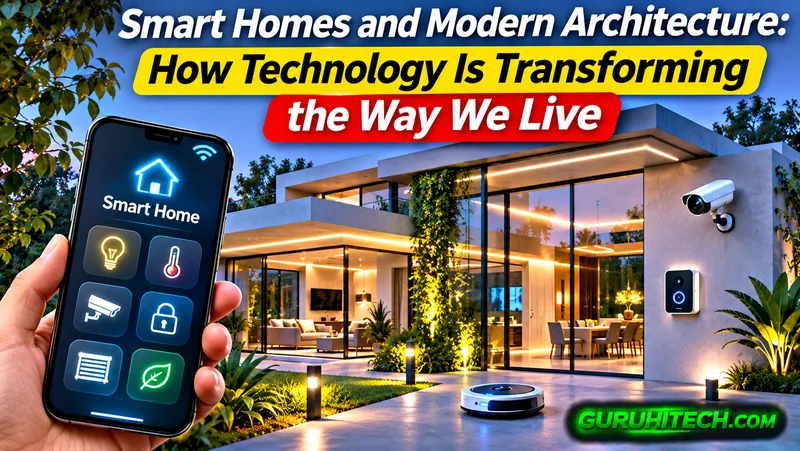
Technology is changing almost every aspect of everyday life, from the way we communicate and work to how we manage our homes. Smart devices, automated systems, and energy-efficient solutions are becoming increasingly common in residential spaces. What once seemed like futuristic concepts are now practical tools that can make homes more comfortable, secure, and efficient.
However, creating a truly modern home involves more than filling rooms with connected gadgets. The most successful living environments combine technology with thoughtful architecture, attractive interiors, and a clear understanding of how people use their spaces. When these elements work together, technology becomes a natural part of everyday life rather than an unnecessary complication.
The Evolution of the Smart Home
A smart home is a living space equipped with connected devices and systems that can be monitored or controlled digitally. These may include lighting, heating, air conditioning, security cameras, appliances, and entertainment systems.
Many homeowners begin with simple additions such as smart bulbs, thermostats, or voice-controlled speakers. These devices can be convenient, but the real potential of smart living becomes apparent when different systems work together.
For example, a home automation system can adjust lighting and temperature according to daily routines. Heating can be reduced when nobody is home, while selected lights can switch on automatically in the evening. Such features can improve convenience while helping households manage energy consumption.
The key is choosing technology that solves genuine problems. A smart home should make daily activities easier, not create additional tasks or require constant attention.
Why Technology Should Be Considered During Architectural Planning
One of the most important decisions in creating a technologically advanced home is planning ahead. Although many smart devices can be installed after construction, some solutions work better when integrated into the building from the beginning.
Electrical installations, network connections, lighting layouts, ventilation systems, and equipment locations should all be considered during the planning process. This helps avoid unnecessary cables, awkward installations, and expensive modifications later.
Working with an experienced Architektas can help ensure that technological features complement the building’s layout and overall design. Architectural planning makes it possible to consider functionality, aesthetics, energy performance, and future requirements as part of one coordinated approach.
For instance, the position of windows can influence natural lighting and indoor temperatures, while the orientation of a building can affect heating and cooling requirements. These architectural decisions may have a greater long-term impact than many individual smart devices.
Smart Lighting and a More Comfortable Atmosphere
Lighting is one of the easiest ways to experience the benefits of home automation. Smart lighting systems allow users to adjust brightness, colour temperature, and schedules through mobile applications or automated settings.
Different lighting scenes can be created for different activities. Bright, cool lighting may be suitable for working or preparing meals, while warmer and softer illumination can create a relaxing atmosphere in the evening.
Motion sensors can also provide practical benefits in hallways, entrances, and utility areas. Lights can switch on when someone enters and turn off automatically when the space is empty.
Nevertheless, smart lighting should complement good architectural design rather than replace it. Natural daylight remains essential. Thoughtfully positioned windows, skylights, and open spaces can reduce the need for artificial lighting during the day and create a stronger connection with the outdoors.
Energy Efficiency Through Smart Technology
Rising energy costs have made efficiency an important consideration for homeowners. Smart technology offers several ways to monitor and manage household energy use.
Smart thermostats can help maintain comfortable indoor temperatures while reducing unnecessary heating or cooling. Energy monitoring systems provide information about electricity consumption, helping users identify devices that use more power than expected.
Automated blinds and shading systems can also contribute to indoor comfort. During hot periods, they can help limit direct sunlight and reduce overheating. In colder weather, allowing sunlight into suitable rooms may provide additional warmth.
These systems are most effective when combined with good insulation, suitable windows, efficient ventilation, and appropriate building materials. Technology can improve performance, but it cannot fully compensate for poor construction or inadequate planning.
Security and Peace of Mind
Home security has also benefited from technological developments. Smart locks, video doorbells, cameras, and motion sensors allow homeowners to monitor important areas and receive notifications when unusual activity is detected.
Some systems can be controlled remotely, making it possible to check whether doors are locked or review activity around the property while away. Automated lighting can also create the impression that someone is home, even when the house is empty.
Privacy and cybersecurity should remain priorities. Connected devices need secure passwords, regular software updates, and reliable manufacturers. Homeowners should understand what information their devices collect and how that information is stored.
A secure smart home depends not only on the devices themselves but also on responsible use and proper configuration.
Designing for Flexibility and the Future
Technology develops quickly, so a modern home should be designed with flexibility in mind. A system that seems advanced today may become outdated as new standards and devices emerge.
Choosing compatible equipment, maintaining reliable network infrastructure, and allowing room for future upgrades can make a property easier to adapt. Flexible room layouts are equally valuable. A spare bedroom might eventually become a home office, while a living area may need to accommodate changing family needs.
It is also important to avoid unnecessary complexity. Not every household needs a fully automated system. For some people, a smart thermostat and a few connected lights are enough. Others may appreciate integrated security, automated shading, and centralised home management.
The right solution depends on lifestyle, budget, and personal preferences.
Bringing Technology and Design Together
The future of residential living is not simply about making homes more connected. It is about creating spaces that respond intelligently to the people who live in them.
Smart technology can improve comfort, support energy efficiency, and provide greater control over everyday routines. Architecture ensures that these systems are integrated into spaces that are functional, attractive, and suited to their surroundings.
The best modern homes do not make technology the centre of attention. Instead, they use it quietly and effectively to improve the living experience. By combining thoughtful planning, reliable systems, and timeless design principles, homeowners can create environments that are ready for today while remaining adaptable for tomorrow.
Ti potrebbe interessare:
Segui guruhitech su:
- Google News: bit.ly/gurugooglenews
- Telegram: t.me/guruhitech
- Facebook: facebook.com/guruhitechfb
- Instagram: instagram.com/guruhitech_official/
- X (Twitter): x.com/guruhitech1
- Bluesky: bsky.app/profile/guruhitech.bsky.social
- Rumble: rumble.com/user/guruhitech
- VKontakte: vk.com/guruhitech
- MeWe: mewe.com/i/guruhitech
- Skype: live:.cid.d4cf3836b772da8a
- WhatsApp: bit.ly/whatsappguruhitech
Esprimi il tuo parere!
Ti è stato utile questo articolo? Lascia un commento nell’apposita sezione che trovi più in basso e se ti va, iscriviti alla newsletter.
Per qualsiasi domanda, informazione o assistenza nel mondo della tecnologia, puoi inviare una email all’indirizzo [email protected].
Scopri di più da GuruHiTech
Abbonati per ricevere gli ultimi articoli inviati alla tua e-mail.