
Restoring Healthy Indoor Environments: A Comprehensive Guide to Understanding, Preventing, and Managing Mold Problems
Indoor air quality plays a critical role in the comfort, safety, and long-term value of any property. Among the many factors that can compromise a healthy indoor environment, mold growth is one of the most persistent and misunderstood. Mold issues are not limited to old or poorly maintained buildings; they can affect new constructions, residential homes, and commercial properties alike. Moisture intrusion, humidity, and hidden leaks can all create conditions where mold thrives, often out of sight until the problem becomes severe.
Addressing mold effectively requires more than surface cleaning or temporary fixes. It involves identifying the source of moisture, understanding the extent of contamination, and applying proven methods to remove mold safely while preventing its return. This article provides an in-depth exploration of mold problems, their causes, risks, and solutions, offering a clear understanding of why professional mold remediation is essential for restoring and maintaining healthy indoor spaces.
Understanding What Mold Is and How It Develops
Mold is a type of fungus that grows by producing spores, which are present in both indoor and outdoor air. These spores are generally harmless in small quantities, but when they land on damp surfaces, they can begin to grow and spread rapidly. Mold feeds on organic materials such as wood, drywall, paper, fabrics, and even dust, making many building materials vulnerable.
The primary factor that allows mold to grow is moisture. Water intrusion from leaks, flooding, condensation, or high humidity creates ideal conditions for mold development. Poor ventilation can exacerbate the problem by trapping moisture indoors, especially in areas like bathrooms, kitchens, basements, and crawl spaces.
What makes mold particularly challenging is its ability to grow in hidden areas. Behind walls, under flooring, and inside HVAC systems, mold can spread unnoticed for extended periods. By the time visible signs appear, contamination may already be widespread, requiring comprehensive intervention rather than simple cleanup.
Common Signs of Mold Problems
Early detection is crucial in minimizing damage and health risks. While visible mold growth is an obvious indicator, many mold problems present more subtle warning signs. A persistent musty odor is often one of the first clues, even when mold is not immediately visible. Discoloration on walls, ceilings, or floors, including black, green, or white patches, may indicate active growth.
Other signs include peeling paint, warped materials, and unexplained moisture stains. In some cases, occupants may experience health symptoms such as allergies, respiratory irritation, headaches, or fatigue, which worsen when spending time indoors. These symptoms can be especially concerning for individuals with asthma, compromised immune systems, or existing respiratory conditions.
Ignoring these warning signs can allow mold to spread further, increasing both remediation costs and potential health impacts. Understanding when to seek professional assessment is a key step in responsible property management.
Health Risks Associated With Mold Exposure
Mold exposure affects people differently, depending on the type of mold, the level of exposure, and individual sensitivity. For many, exposure may cause mild allergic reactions, such as sneezing, coughing, or skin irritation. For others, particularly children, elderly individuals, and those with underlying health conditions, the effects can be more severe.
Prolonged exposure to mold spores can contribute to chronic respiratory issues, sinus infections, and worsening asthma symptoms. Some molds produce mycotoxins, which may pose additional health risks when exposure levels are high or prolonged. While not all molds are toxic, it is difficult to determine the risk level without proper assessment and testing.
Because mold spores can become airborne during improper cleanup, attempting to handle extensive mold problems without proper containment and protective measures can actually increase exposure. This is why professional mold remediation is often recommended when contamination goes beyond minor, isolated areas.
Why Surface Cleaning Is Not Enough
A common misconception is that mold can be resolved with household cleaners or bleach. While these methods may remove visible mold temporarily, they rarely address the underlying cause or the full extent of contamination. Mold roots can penetrate porous materials, making surface cleaning ineffective at eliminating growth entirely.
Additionally, without controlling moisture, mold is likely to return even after thorough cleaning. The true solution involves identifying and correcting the source of moisture, removing contaminated materials when necessary, and ensuring that affected areas are properly dried and treated.
Professional mold remediation focuses on comprehensive removal and prevention rather than cosmetic improvement. This approach reduces the likelihood of recurrence and protects both the structure and its occupants.
The Mold Remediation Process Explained
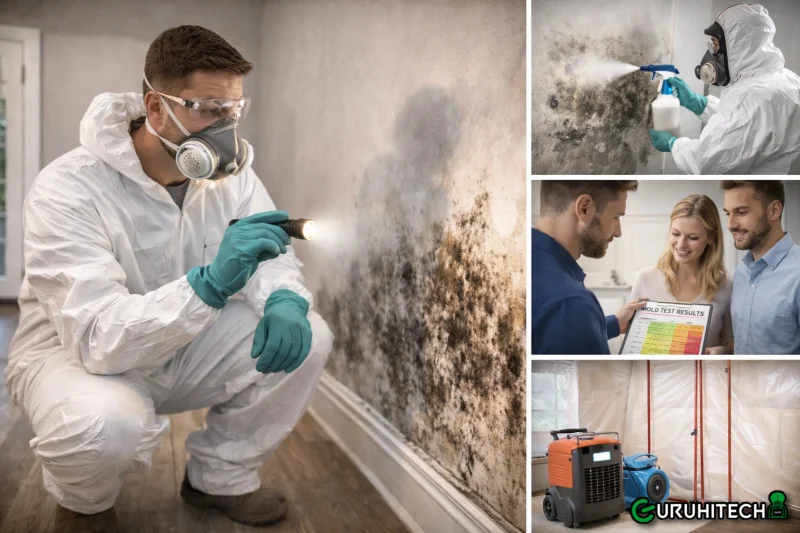
Effective mold remediation follows a structured process designed to contain, remove, and prevent mold safely. The first step is assessment, which involves identifying the type of mold present, the extent of contamination, and the source of moisture. This may include visual inspection, moisture mapping, and air or surface sampling.
Containment is then established to prevent mold spores from spreading to unaffected areas. This often involves physical barriers and negative air pressure systems. Once contained, contaminated materials are carefully removed or treated, depending on their condition and porosity.
After removal, the affected areas are thoroughly cleaned and disinfected using specialized equipment and techniques. High-efficiency air filtration devices may be used to capture airborne spores. Finally, drying and dehumidification ensure that moisture levels are controlled, creating an environment where mold cannot easily return.
Throughout this process, mold remediation professionals follow industry standards to ensure safety and effectiveness, protecting both occupants and workers.
Preventing Mold From Returning
Prevention is a critical component of long-term mold management. Once mold has been removed, steps must be taken to address the conditions that allowed it to grow in the first place. Moisture control is the most important factor, and this may involve repairing leaks, improving drainage, sealing building envelopes, or upgrading ventilation systems.
Maintaining appropriate indoor humidity levels also plays a significant role. Dehumidifiers, proper insulation, and consistent airflow can help keep moisture in check. Regular inspections of plumbing, roofing, and HVAC systems allow potential issues to be identified before they lead to mold growth.
Educating occupants about proper maintenance and early warning signs further reduces the risk of recurrence. When prevention strategies are combined with professional mold remediation, properties are better protected against future problems.
Mold in Different Types of Properties
Mold issues affect properties differently depending on their use and construction. Residential homes often experience mold in bathrooms, basements, and attics due to daily activities and moisture fluctuations. In multi-unit buildings, mold can spread between units if not properly contained, complicating remediation efforts.
Commercial properties face additional challenges, as mold can disrupt business operations, affect employee health, and lead to liability concerns. Schools, healthcare facilities, and hospitality properties must adhere to strict standards to ensure safe environments for occupants and visitors.
Each type of property requires a tailored approach to mold remediation, taking into account building materials, occupancy patterns, and regulatory requirements. Professional expertise ensures that remediation strategies are appropriate for the specific context.
Importance of Professional Expertise
While minor mold issues may be manageable with careful cleaning, larger or recurring problems require professional intervention. Experienced mold remediation specialists bring technical knowledge, specialized equipment, and adherence to safety protocols that are difficult to replicate with do-it-yourself methods.
Professionals are trained to identify hidden mold, assess structural impact, and implement solutions that address both symptoms and causes. They also provide documentation and guidance that can be valuable for insurance claims or property transactions.
Choosing qualified professionals helps ensure that remediation is thorough, compliant with industry standards, and effective in the long term. This level of expertise provides peace of mind and protects the investment in the property.
Long-Term Benefits of Addressing Mold Properly
Investing in proper mold remediation offers benefits that extend well beyond immediate cleanup. Improved indoor air quality enhances comfort and supports occupant health. Structural integrity is preserved by preventing ongoing damage to building materials. Property value is protected, and the risk of future costly repairs is reduced.
Addressing mold promptly also demonstrates responsible property ownership or management. Whether preparing a home for sale, maintaining a rental property, or ensuring a safe workplace, proactive mold management reflects a commitment to quality and safety.
Over time, the combination of professional remediation and effective prevention creates a healthier, more resilient indoor environment that supports long-term use and enjoyment.
A Proactive Approach to Indoor Health
Mold problems can feel overwhelming, especially when they are hidden or recurring. However, with the right knowledge and approach, they are manageable. Understanding how mold develops, recognizing early signs, and knowing when to seek professional help empowers property owners to take control of their indoor environments.
Professional mold remediation plays a vital role in this process, offering solutions that go beyond temporary fixes. By addressing both the visible effects and the underlying causes of mold, it helps restore indoor spaces to a condition that is safe, clean, and sustainable.
Ultimately, maintaining a healthy indoor environment is an ongoing effort. Regular maintenance, moisture control, and informed decision-making work together to prevent mold from becoming a recurring issue. When these practices are combined with expert remediation when needed, properties can remain comfortable, safe, and valuable for years to come.
Scopri di più da GuruHiTech
Abbonati per ricevere gli ultimi articoli inviati alla tua e-mail.