
The Complete Guide to Commercial Cleaning for a Healthier Workplace
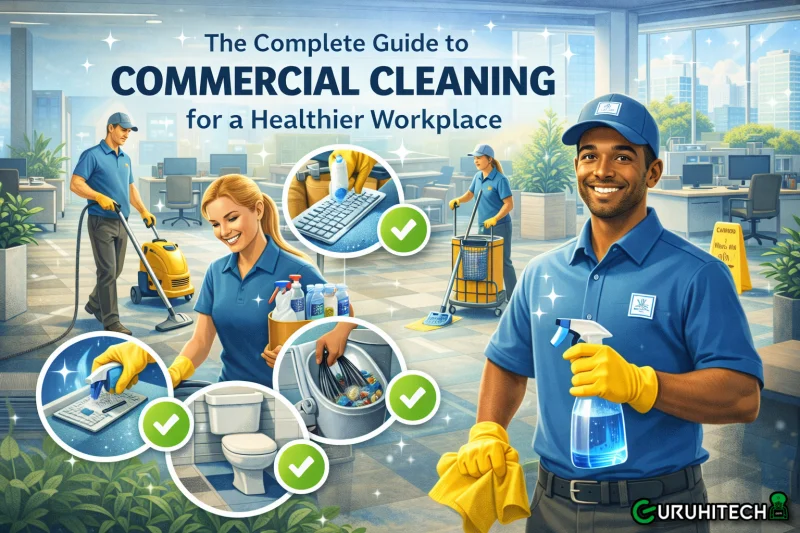
Maintaining a clean and organized workspace is essential for any business. Commercial cleaning goes far beyond the basic tasks of dusting and vacuuming; it involves a thorough, systematic approach to ensuring a hygienic, safe, and professional environment. Clean workspaces not only protect the health of employees and customers but also enhance the reputation and efficiency of a business.
A well-executed commercial cleaning program contributes to a positive first impression for visitors and clients while boosting employee morale and productivity. Businesses that invest in regular, high-quality cleaning are also less likely to face issues related to illness, allergies, or workplace accidents. Whether you are managing a small office, a retail establishment, or a large commercial facility, understanding the benefits, strategies, and best practices of commercial cleaning is essential.
The Importance of Commercial Cleaning
Cleanliness is a critical factor in the success of any business. Beyond aesthetics, commercial cleaning addresses health, safety, and operational efficiency. Dust, dirt, and debris can accumulate quickly in high-traffic areas, creating an unhygienic environment that can harbor bacteria, allergens, and viruses. Regular cleaning reduces the spread of illness among employees and clients, lowering absenteeism and maintaining a healthier workforce.
A professionally cleaned environment also creates a strong impression on visitors. First impressions matter, and spotless floors, windows, and surfaces convey professionalism and attention to detail. Proper commercial cleaning also prevents long-term damage to property, flooring, and equipment, extending their lifespan and reducing costly repairs.
Types of Commercial Cleaning Services
Commercial cleaning encompasses a wide range of services tailored to the needs of different businesses. These services can be categorized into several key areas:
General Office Cleaning
General office cleaning focuses on maintaining daily hygiene and organization in office environments. Tasks include vacuuming carpets, dusting surfaces, cleaning restrooms, sanitizing high-touch areas, and emptying trash bins. This type of cleaning ensures a safe and comfortable environment for employees and visitors.
For optimal cleaning results, many offices have turned to advanced solutions like the bObsweep robotic vacuum, which can be explored in greater detail through bObsweep reviews available on specialized retail websites.
Deep Cleaning
Deep cleaning involves a more thorough approach, targeting areas that are not part of regular daily maintenance. This includes cleaning behind furniture, scrubbing floors, disinfecting carpets, washing windows, and cleaning vents. Deep cleaning is usually performed periodically, such as quarterly or annually, to maintain a high level of cleanliness.
Specialized Cleaning
Some commercial environments require specialized cleaning, such as medical facilities, laboratories, or industrial spaces. This may involve biohazard cleanup, disinfecting equipment, or handling sensitive materials according to safety regulations. Specialized cleaning ensures compliance with health and safety standards while maintaining a safe environment.
Floor and Carpet Maintenance
Floors and carpets require specific attention in commercial spaces. Regular vacuuming, shampooing, and polishing keep them looking professional and prevent damage. Certain businesses may also need hard surface floor care, such as stripping and waxing tiles, to extend the life of flooring materials and maintain an attractive appearance.
Tools and Equipment for Commercial Cleaning
Effective commercial cleaning relies on the right tools and equipment. Common tools include vacuum cleaners, microfiber cloths, mop systems, scrubbers, and disinfectants. Advanced equipment may include steam cleaners, floor buffers, and industrial-grade carpet cleaners for larger facilities.
Using high-quality cleaning solutions and eco-friendly products ensures effective sanitization without harming the environment or employees. Proper equipment not only increases efficiency but also improves the quality of cleaning, making spaces safer and healthier.
Techniques for Efficient Commercial Cleaning
Efficiency and attention to detail are critical in commercial cleaning. A systematic approach ensures all areas are addressed without overlooking corners or high-traffic zones. Effective techniques include:
- Cleaning from top to bottom, starting with dusting shelves and surfaces before vacuuming or mopping floors.
- Focusing on high-touch areas, such as door handles, light switches, and shared equipment, to prevent the spread of germs.
- Using color-coded cleaning tools to prevent cross-contamination between different areas, such as restrooms and kitchens.
- Following a consistent schedule to maintain cleanliness and avoid buildup of dirt or grime.
By following proper techniques, commercial cleaning teams maintain a consistent level of hygiene, improve productivity, and enhance the overall appearance of the workplace.
Benefits of Hiring Professional Commercial Cleaning Services
While some businesses choose to manage cleaning in-house, hiring professional commercial cleaning services offers several advantages.
Expertise and Experience
Professional cleaners have the training and experience to handle a wide range of cleaning tasks efficiently. They are knowledgeable about the proper use of chemicals, equipment, and techniques to achieve a high level of cleanliness without damaging surfaces or materials.
Time and Cost Efficiency
Outsourcing cleaning allows employees to focus on core business tasks rather than spending time on cleaning duties. Professionals complete the job faster and more effectively, which can save money in the long run by reducing wear and tear on office equipment, furniture, and flooring.
Health and Safety Compliance
Many commercial spaces, such as healthcare facilities or food service areas, must adhere to strict health and safety standards. Professional cleaning services ensure compliance with regulations, reducing the risk of fines or legal issues. Proper cleaning also lowers the risk of workplace accidents caused by slips, trips, or exposure to harmful substances.
Eco-Friendly Commercial Cleaning
Sustainable cleaning practices are increasingly important in modern business environments. Using environmentally friendly products reduces the impact on the planet while protecting the health of employees and visitors. Green cleaning practices may include:
- Using biodegradable cleaning solutions that do not release harmful chemicals.
- Employing microfiber cloths and reusable mop pads to reduce waste.
- Properly disposing of cleaning chemicals and hazardous waste.
- Incorporating energy-efficient equipment and low-water-use cleaning systems.
Eco-friendly commercial cleaning promotes corporate responsibility while maintaining a safe and healthy environment.
Frequency of Commercial Cleaning
The frequency of commercial cleaning depends on the type of business, the size of the facility, and the level of daily traffic. High-traffic areas, such as retail stores or offices with many employees, require daily cleaning to maintain hygiene. Restrooms, breakrooms, and kitchens may need multiple cleanings per day.
Deep cleaning and specialized services can be scheduled weekly, monthly, or quarterly, depending on the needs of the business. By establishing a consistent cleaning schedule, businesses ensure that spaces remain presentable, safe, and compliant with health standards.
Maintaining Cleanliness Between Professional Visits
Even with professional cleaning services, daily upkeep is essential. Employees should practice good hygiene, such as washing hands regularly and keeping workstations organized. Simple measures, such as wiping down high-touch surfaces and removing trash regularly, maintain the benefits of professional cleaning.
Implementing cleaning protocols and providing necessary supplies, like disinfectant wipes and hand sanitizers, encourages employees to contribute to a clean and healthy environment. Regular monitoring ensures that the space stays well-maintained between scheduled commercial cleaning sessions.
Common Mistakes to Avoid in Commercial Cleaning
Businesses often make mistakes that undermine cleaning efforts. Common errors include:
- Using the wrong cleaning products for specific surfaces, which can cause damage or reduce effectiveness.
- Neglecting high-touch areas, such as light switches and door handles, which can spread germs.
- Inconsistent cleaning schedules, allowing dirt and bacteria to accumulate over time.
- Failing to train employees or cleaning staff adequately on safety and proper techniques.
Avoiding these mistakes ensures that commercial cleaning efforts are effective, safe, and long-lasting.
Conclusion
Commercial cleaning is an essential aspect of maintaining a safe, healthy, and professional business environment. From daily office maintenance to deep cleaning and specialized services, a well-planned cleaning program enhances employee productivity, customer satisfaction, and property longevity. Professional cleaning services bring expertise, efficiency, and compliance with health standards, making them a valuable investment for businesses of all sizes.
By incorporating eco-friendly practices, maintaining daily hygiene, and adhering to a consistent cleaning schedule, businesses can enjoy a clean and welcoming environment year-round. Proper commercial cleaning is more than a task; it is a strategic investment in the health, safety, and success of your business.
Scopri di più da GuruHiTech
Abbonati per ricevere gli ultimi articoli inviati alla tua e-mail.