
The Complete Guide to Keeping Heating and Cooling Systems Running Efficiently
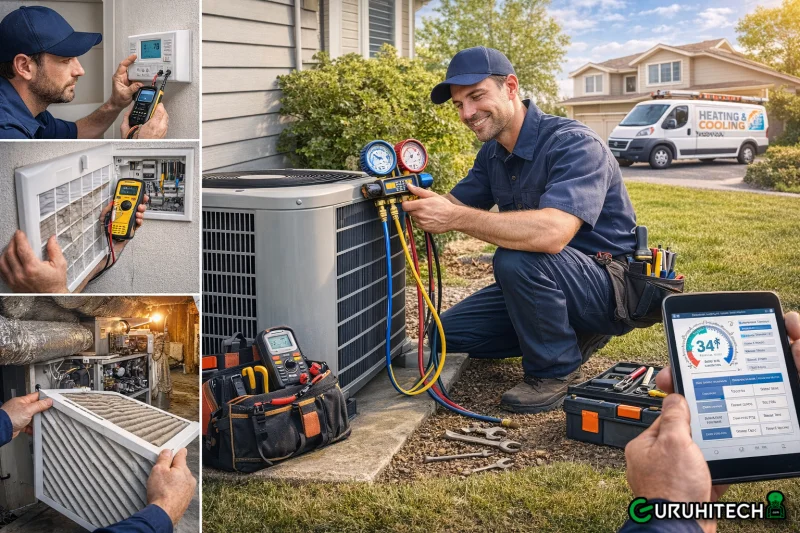
Introduction to System Care and Performance
Modern buildings rely heavily on heating, ventilation, and air conditioning systems to maintain indoor comfort throughout the year. Whether it is a residential property, a commercial office, or an industrial facility, these systems play a critical role in regulating temperature, controlling humidity, and ensuring proper air circulation. Despite their importance, many property owners overlook the need for regular care until a major breakdown occurs. This reactive approach often results in higher costs, reduced comfort, and unnecessary stress. Understanding how proper system care works and why it matters can help owners make informed decisions that protect their investment and ensure long-term efficiency.
A well-maintained system operates more smoothly, consumes less energy, and delivers consistent performance during peak seasons. Without routine attention, small issues can quietly develop into serious mechanical failures that shorten the lifespan of equipment. By adopting a proactive mindset, building owners can prevent unexpected disruptions and maintain a healthy indoor environment. This guide explores the importance of regular upkeep, common system components, performance benefits, and best practices for long-term reliability.
Understanding the Core Components of Heating and Cooling Systems
Heating and cooling systems are complex assemblies made up of several interconnected components that must work together seamlessly. The heating unit, cooling unit, ductwork, filters, thermostats, and electrical connections all play specific roles in delivering comfortable indoor conditions. When one component begins to fail, the entire system can suffer a drop in performance. Understanding these parts helps highlight why consistent care is so important.
The heating unit is responsible for generating warmth during colder months, while the cooling unit removes heat from indoor spaces during warmer periods. Ductwork distributes conditioned air throughout the building, and filters trap dust, allergens, and debris before air reaches living or working areas. Thermostats regulate temperature by signaling the system to turn on or off as needed. Electrical connections ensure safe and efficient power flow. Each of these elements requires inspection and cleaning to function as intended, and neglecting even one can compromise overall system health.
Why Regular System Upkeep Is Essential
Regular system upkeep is not just about avoiding breakdowns; it is about optimizing performance and extending equipment life. Systems that receive routine attention operate more efficiently, meaning they require less energy to achieve the desired indoor temperature. This efficiency translates into lower utility bills and reduced strain on mechanical components. Over time, the savings generated by efficient operation can offset the cost of routine service.
Another key reason for consistent care is reliability. Extreme weather conditions place heavy demands on heating and cooling systems. When equipment is not properly maintained, it is more likely to fail during these high-stress periods. Routine inspections help identify worn parts, refrigerant issues, or airflow restrictions before they cause a complete shutdown. This proactive approach ensures that systems are ready to perform when they are needed most.
Energy Efficiency and Cost Savings
Energy efficiency is one of the most significant benefits of regular system care. Dust buildup, clogged filters, and poorly calibrated components force systems to work harder than necessary. This increased workload leads to higher energy consumption and accelerated wear. By keeping components clean and properly adjusted, systems can operate at peak efficiency with minimal energy waste.
Cost savings extend beyond reduced utility bills. Preventive care helps avoid expensive emergency repairs and premature equipment replacement. Addressing minor issues early is far more affordable than dealing with major mechanical failures later. Over the lifespan of a system, these savings can be substantial, making routine care a smart financial decision for property owners.
Indoor Air Quality and Health Benefits
Indoor air quality has a direct impact on occupant health and comfort. Heating and cooling systems circulate air throughout a building, and if filters or ducts are dirty, contaminants can spread easily. Regular system care helps remove dust, pollen, mold spores, and other pollutants that can trigger allergies or respiratory issues.
Clean filters and well-maintained components ensure that the air delivered into living or working spaces is fresh and healthy. This is particularly important in buildings with high occupancy or individuals who are sensitive to airborne irritants. By prioritizing proper upkeep, property owners can create a safer and more comfortable indoor environment for everyone.
Seasonal Preparation and System Readiness
Preparing heating and cooling systems for seasonal changes is a critical aspect of long-term reliability. Before winter, heating components should be inspected to ensure they can handle sustained use during cold temperatures. Similarly, cooling systems should be checked before summer to confirm they are ready for increased demand.
Seasonal preparation typically includes inspecting electrical connections, testing system controls, cleaning coils, and checking airflow. These steps help prevent sudden failures when systems are under the greatest stress. Proper preparation also ensures consistent comfort throughout the season, reducing the likelihood of uneven temperatures or unexpected downtime.
Common Problems Caused by Neglect
Neglecting system care can lead to a wide range of problems that affect both performance and safety. Reduced airflow caused by clogged filters or blocked ducts can result in uneven heating or cooling throughout a building. Refrigerant leaks can diminish cooling capacity and increase energy consumption. Electrical issues may pose safety risks if left unaddressed.
Over time, neglected systems experience increased wear on motors, fans, and compressors. This wear shortens equipment lifespan and increases the likelihood of costly repairs. In extreme cases, complete system failure may occur, requiring full replacement. These outcomes highlight the importance of addressing small issues before they escalate.
Professional Service Versus Basic Owner Responsibilities
While professional service is essential for comprehensive inspections and technical adjustments, property owners also play a role in basic system care. Simple tasks such as replacing filters regularly, keeping vents unobstructed, and monitoring thermostat settings can make a significant difference in system performance. These actions help maintain airflow and reduce strain on mechanical components.
Professional technicians bring specialized knowledge and tools to identify hidden issues that may not be obvious to owners. They can perform detailed inspections, clean internal components, and ensure systems meet safety and efficiency standards. Combining professional service with basic owner responsibilities creates a balanced approach that maximizes system reliability.
Extending Equipment Lifespan Through Preventive Care
Heating and cooling systems represent a significant investment, and extending their lifespan is a priority for most property owners. Preventive care helps protect this investment by reducing wear and tear on critical components. When systems operate smoothly and efficiently, they experience less mechanical stress, which translates into longer service life.
Routine inspections and adjustments also help maintain manufacturer warranties, many of which require proof of regular care. By adhering to recommended service schedules, owners can ensure their equipment remains covered and protected. Over time, this proactive approach delays the need for replacement and maximizes return on investment.
Planning a Long-Term Care Strategy
Developing a long-term care strategy involves more than scheduling occasional service visits. It requires understanding system usage patterns, environmental conditions, and building requirements. A comprehensive plan considers seasonal needs, occupancy levels, and equipment age to determine the most effective care schedule.
Incorporating HVAC maintenance into a long-term strategy helps ensure consistency and accountability. By establishing a routine schedule and working with qualified professionals, property owners can maintain optimal performance year after year. This structured approach reduces uncertainty and provides peace of mind, knowing that systems are being cared for properly.
The Role of Technology in System Monitoring
Advancements in technology have transformed the way heating and cooling systems are monitored and maintained. Smart thermostats, sensors, and diagnostic tools provide real-time data on system performance. These technologies allow owners and technicians to detect issues early and make informed decisions about care and adjustments.
Remote monitoring capabilities can alert users to performance irregularities before they become serious problems. This proactive insight supports timely intervention and helps maintain consistent comfort levels. Integrating technology into system care enhances efficiency and supports a more responsive approach to upkeep.
Environmental Impact and Sustainability
Proper system care also contributes to environmental sustainability. Efficient systems consume less energy, which reduces greenhouse gas emissions and overall environmental impact. By keeping equipment in optimal condition, property owners can lower their carbon footprint while maintaining indoor comfort.
Sustainable practices align with growing environmental awareness and regulatory standards. Efficient operation not only benefits the environment but also supports long-term cost savings and responsible resource management. Incorporating HVAC maintenance into sustainability goals helps create a balance between comfort, efficiency, and environmental responsibility.
Choosing the Right Service Partner
Selecting a qualified service provider is a crucial step in ensuring effective system care. Experienced professionals understand the complexities of heating and cooling systems and can tailor their services to specific equipment and building needs. A reliable partner offers transparent communication, thorough inspections, and clear recommendations.
Building a long-term relationship with a trusted provider ensures consistency in care and familiarity with system history. This familiarity allows technicians to identify patterns and address recurring issues more effectively. A strong partnership supports proactive care and long-term system health.
Final Thoughts on System Reliability and Comfort
Maintaining heating and cooling systems is an ongoing responsibility that pays dividends in comfort, efficiency, and reliability. From improved indoor air quality to reduced energy costs, the benefits of regular care are far-reaching. By understanding system components, addressing common issues, and planning a long-term strategy, property owners can protect their investment and avoid unnecessary disruptions.
Incorporating HVAC maintenance into routine building management ensures systems remain dependable and efficient throughout their lifespan. With the right combination of professional service, owner involvement, and proactive planning, heating and cooling systems can deliver consistent comfort and performance for years to come.
Scopri di più da GuruHiTech
Abbonati per ricevere gli ultimi articoli inviati alla tua e-mail.