
A Complete and In-Depth Guide to Junk Removal Services, Processes, Benefits, and Responsible Waste Management Practices
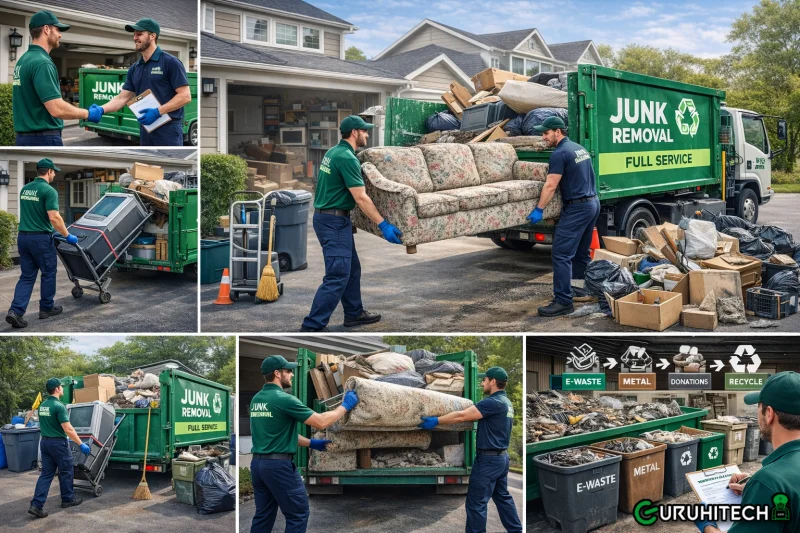
Understanding Junk Removal
Junk removal is an essential service and practice that involves the efficient and responsible disposal of unwanted materials, debris, and clutter from homes, offices, and commercial properties. It is far more than simply discarding items; it encompasses a systematic approach to clearing spaces, ensuring that unwanted materials are removed safely, ethically, and in compliance with environmental standards. Effective junk removal requires careful planning and organization, as it often involves sorting items into categories such as recyclable materials, hazardous waste, electronics, and general debris. By approaching the task strategically, property owners can reclaim valuable space, improve functionality, and create a safer environment for occupants or employees.
The process of junk removal begins with a thorough assessment of the area to identify the type and volume of materials that need to be removed. This assessment helps determine the necessary equipment, labor, and disposal methods required for the task. It also allows for the identification of items that can be donated, recycled, or repurposed, reducing the overall environmental impact of the removal process. Without proper planning, junk removal efforts can become inefficient, costly, and potentially harmful to the surrounding environment.
Methods and Strategies for Effective Removal
There are multiple methods and strategies used to carry out effective removal of unwanted materials, each suited to specific types of items and spaces. One common method involves manual removal, where workers physically sort, carry, and transport items from the site to disposal locations. This approach is ideal for smaller spaces or areas containing delicate or sensitive items that require careful handling. Manual processes ensure precision, minimize property damage, and allow for the careful separation of materials for recycling or donation.
For larger projects, mechanical and equipment-assisted methods are often employed. This may include the use of trucks, dumpsters, forklifts, and specialized lifting equipment to move large, heavy, or bulky items efficiently. These methods are particularly effective for clearing warehouses, commercial properties, and large residential spaces where the volume of debris is substantial. Equipment-assisted strategies reduce physical strain on workers, improve efficiency, and ensure that heavy or potentially dangerous materials are handled safely and professionally.
A growing emphasis on sustainability has also influenced modern junk removal practices. Many operations now focus on environmentally responsible strategies that prioritize recycling, donation, and proper disposal of hazardous materials. Electronics, chemicals, and construction debris are handled according to strict guidelines to prevent environmental contamination. These strategies not only reduce landfill waste but also support long-term environmental conservation efforts.
Key Benefits of Professional Clearing Services
The benefits of professional clearing services extend across residential, commercial, and industrial settings, making them a valuable investment for property owners and managers. One of the most immediate advantages is improved space utilization. Removing unnecessary clutter transforms overcrowded areas into functional, organized environments that support productivity, safety, and ease of movement. In homes, this leads to more comfortable living conditions, while in workplaces it enhances efficiency and professionalism.
Health and safety improvements are another critical benefit. Accumulated debris can attract pests, promote mold growth, and create fire hazards, particularly in neglected or storage-heavy areas. Removing unwanted materials reduces these risks and helps maintain a cleaner, healthier environment. In commercial and industrial settings, maintaining organized spaces also supports compliance with safety standards and reduces liability concerns related to workplace accidents.
Environmental responsibility is an additional advantage of structured junk removal services. By separating recyclable materials and ensuring hazardous waste is disposed of correctly, these services reduce environmental harm and promote sustainable waste management practices. Donating usable items further supports community needs while minimizing waste. Together, these benefits demonstrate how responsible removal practices contribute to both property improvement and broader environmental goals.
Planning and Preparation for Successful Projects
Successful clearing projects require careful planning and preparation to ensure efficiency, safety, and compliance. The first step involves evaluating the scope of the project by identifying the types and quantities of materials involved. This may include furniture, appliances, construction debris, electronic waste, or accumulated household clutter. Categorizing these materials early allows for smoother execution and proper disposal methods.
Preparation also involves securing the appropriate tools, equipment, and labor required for the task. Smaller projects may only require basic tools and protective gear, while larger projects often demand dumpsters, transport vehicles, and trained personnel. Coordinating logistics such as access points, loading areas, and disposal schedules helps prevent delays and ensures the process runs smoothly. Proper preparation significantly reduces the risk of accidents and unexpected costs.
Clear communication and organization are equally important during preparation. Establishing timelines, assigning responsibilities, and ensuring everyone involved understands handling procedures contributes to a more efficient outcome. For complex projects, involving experienced professionals ensures that materials are managed responsibly and in compliance with applicable standards.
Challenges and Common Obstacles
Despite its many benefits, clearing unwanted materials can present several challenges that must be managed carefully. One of the most common obstacles is the sheer volume of accumulated items, especially in properties that have not been cleared for extended periods. Managing large quantities requires strategic coordination, sufficient labor, and proper equipment to avoid inefficiencies and safety risks.
Another challenge involves handling hazardous or restricted materials, such as chemicals, batteries, or outdated electronics. These items require specialized disposal methods to prevent harm to people and the environment. Emotional attachment to possessions can also slow the process, particularly in residential settings where individuals may struggle to part with items. Offering alternatives such as donation or recycling can help ease these concerns while maintaining progress.
Addressing these challenges effectively requires experience, planning, and adherence to best practices. When managed correctly, even the most complex clearing projects can be completed safely and efficiently.
The Value of Hiring Experienced Professionals
Hiring experienced professionals provides significant advantages when managing large or complex clearing projects. Trained teams possess the expertise needed to sort materials, operate equipment safely, and ensure proper disposal. Their knowledge of regulatory requirements reduces the risk of non-compliance and potential legal issues.
Professional services also offer convenience and time savings. Property owners can avoid the physical demands and logistical challenges of handling the process themselves. Many providers also offer additional services, such as dismantling furniture or managing specialized waste streams, ensuring a thorough and efficient outcome.
By relying on experts, property owners can ensure that junk removal projects are completed responsibly, efficiently, and with minimal disruption, leaving spaces clean, organized, and ready for their intended use.
Conclusion
Junk removal is a vital process that delivers lasting benefits for residential, commercial, and industrial properties. Through careful planning, responsible practices, and professional execution, unwanted materials can be removed safely while supporting environmental sustainability. Effective junk removal enhances space utilization, improves safety, and contributes to healthier living and working environments. Whether addressing long-term clutter or preparing a property for a new purpose, structured removal practices provide reliable solutions that create cleaner, more functional spaces and support responsible waste management for the future.
Scopri di più da GuruHiTech
Abbonati per ricevere gli ultimi articoli inviati alla tua e-mail.