
The Complete Guide to Transforming Homes Through Professional Remodeling
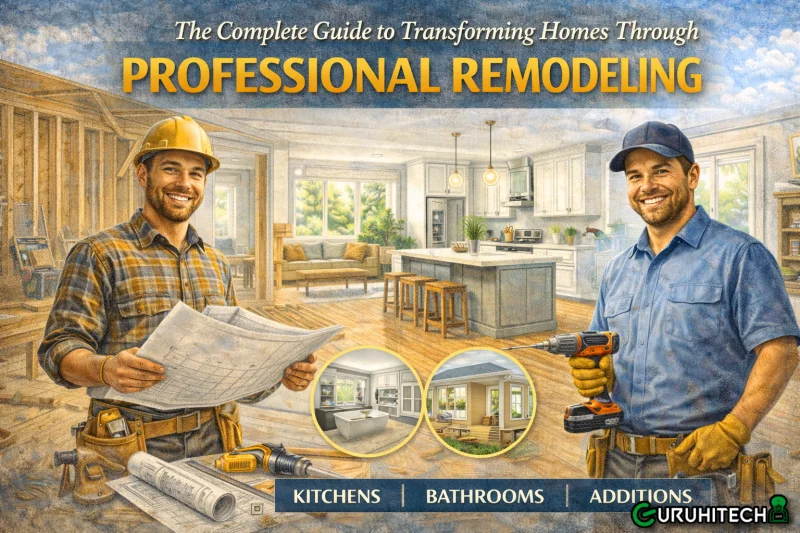
Home remodeling is more than a construction process; it is a strategic investment in comfort, functionality, and long-term value. Whether the goal is to modernize outdated interiors, improve energy efficiency, or adapt living spaces to changing lifestyles, a well-planned remodeling project can significantly enhance how a home looks and feels. From minor upgrades to full-scale renovations, success depends on clear vision, skilled execution, and thoughtful coordination of many moving parts.
As a remodeling contractor, the role extends far beyond physical labor. It involves understanding design intent, evaluating existing structures, managing timelines, sourcing quality materials, and ensuring that every phase of the project aligns with both aesthetic goals and practical requirements. This article explores the remodeling process in depth, offering insight into planning, execution, and long-term benefits while helping homeowners make informed decisions.
Understanding the Purpose of Remodeling
Every remodeling project begins with a reason. Some homeowners remodel to address functional issues such as limited storage, inefficient layouts, or aging systems. Others are motivated by lifestyle changes, such as accommodating a growing family, creating a home office, or enhancing accessibility. In many cases, remodeling is also driven by the desire to increase property value or improve overall comfort.
Clarifying the purpose early on helps shape the scope of work. A kitchen remodel focused on efficiency may prioritize layout and storage, while one aimed at entertaining might emphasize open space and upgraded finishes. Understanding priorities allows for better allocation of resources and avoids unnecessary changes that do not support the core goal.
Planning and Vision Development
Successful remodeling is rooted in careful planning. This phase involves defining objectives, establishing a realistic budget, and outlining the desired timeline. It is also the stage where design concepts begin to take shape. Floor plans, material selections, and functional requirements are evaluated together to create a cohesive vision.
Professional guidance during planning helps identify potential challenges before construction begins. Structural limitations, outdated wiring, or plumbing constraints can influence design decisions. Addressing these factors early reduces the risk of delays and unexpected costs later in the project.
Evaluating Existing Structures
Before any demolition or construction starts, the existing condition of the home must be assessed. This includes evaluating structural components, mechanical systems, insulation, and overall integrity. Older homes, in particular, may require upgrades to meet current standards or support new design elements.
An experienced contractor understands how changes in one area can affect others. For example, removing walls to create open spaces may require additional support to maintain structural stability. Proper evaluation ensures that improvements are both safe and sustainable.
Design, Function, and Aesthetics
A successful remodel balances beauty with usability. While visual appeal is important, functionality ultimately determines how enjoyable a space is to live in. Thoughtful design considers traffic flow, storage needs, lighting, and ergonomics alongside style preferences.
Material selection plays a significant role in achieving this balance. Durable surfaces, efficient fixtures, and quality finishes contribute to both longevity and appearance. Coordinating colors, textures, and architectural details creates a unified look that feels intentional rather than pieced together.
Managing the Construction Process
Once planning and design are complete, the construction phase begins. This stage requires careful coordination of labor, materials, and scheduling. Clear communication between all parties helps ensure that work progresses smoothly and that expectations remain aligned.
A skilled remodeling contractor oversees each step, from demolition to final finishes. This includes coordinating specialized trades, monitoring quality, and addressing issues as they arise. Effective management minimizes disruptions and keeps the project on track.
Kitchens and Bathrooms as Key Remodeling Areas
Kitchens and bathrooms are among the most commonly remodeled spaces due to their high use and impact on home value. Updating these areas often delivers a strong return on investment while significantly improving daily life.
Kitchen remodeling may involve reconfiguring layouts, upgrading appliances, and improving storage solutions. Bathroom projects often focus on enhancing comfort, updating fixtures, and improving water efficiency. In both cases, attention to detail and quality craftsmanship are essential for lasting results.
Living Spaces and Layout Improvements
Beyond kitchens and bathrooms, many remodeling projects aim to improve living spaces. This can include opening up floor plans, adding built-in storage, or updating flooring and lighting. These changes often make homes feel more spacious and adaptable to modern lifestyles.
Layout improvements can dramatically alter how a home functions. Creating better connections between rooms, improving natural light, and defining zones for different activities all contribute to a more comfortable living environment.
Energy Efficiency and Modern Upgrades
Modern remodeling often includes upgrades that improve energy efficiency and sustainability. Improved insulation, energy-efficient windows, and modern HVAC systems reduce utility costs while increasing comfort. Smart home technology can also be integrated to enhance convenience and control.
These upgrades not only benefit homeowners financially but also contribute to a more environmentally responsible home. Over time, efficiency improvements can offset initial investment costs while adding long-term value.
Budgeting and Cost Management
Effective budget management is a critical aspect of any remodeling project, especially when considering high-value additions like a home elevator. Establishing a clear budget from the outset helps guide decisions and prevents overspending, particularly as you research home elevator costs and other premium installations. It is important to allocate funds for both planned improvements and potential contingencies.
Transparent communication about costs allows homeowners to make informed choices. Adjustments can be made to materials or scope if needed, ensuring that the final outcome aligns with financial expectations without compromising quality.
Quality Craftsmanship and Materials
The longevity of a remodel depends heavily on workmanship and material quality. Skilled craftsmanship ensures that installations are precise, durable, and compliant with standards. High-quality materials, while sometimes more expensive initially, often provide better performance and reduce maintenance over time.
Choosing the right products involves balancing aesthetics, durability, and budget. A professional perspective helps homeowners select options that offer the best value for their specific needs.
Timelines and Realistic Expectations
Every remodeling project operates within a timeline influenced by scope, complexity, and availability of materials. Setting realistic expectations from the beginning helps reduce stress and frustration. While unforeseen issues can arise, proactive planning and clear communication keep disruptions to a minimum.
Flexibility is also important. Adjustments may be necessary as work progresses, and understanding this helps maintain a positive experience throughout the project.
The Importance of Communication
Clear and consistent communication is essential for a successful remodel. Homeowners should feel informed about progress, decisions, and any changes that occur. Regular updates and open dialogue foster trust and ensure that concerns are addressed promptly.
A collaborative approach allows for better problem-solving and helps keep the project aligned with the original vision.
Long-Term Value and Satisfaction
A thoughtfully executed remodel offers benefits that extend well beyond completion. Improved functionality, enhanced comfort, and updated aesthetics contribute to daily satisfaction. Additionally, remodeling can increase property value and market appeal, making it a sound long-term investment.
Homes that are adapted to current needs and preferences tend to age better, reducing the need for frequent updates. Quality remodeling focuses on timeless design and durable solutions that remain relevant for years to come.
Choosing the Right Professional Partner
Selecting the right professional is one of the most important decisions in any remodeling project. Experience, attention to detail, and a comprehensive approach distinguish successful projects from disappointing ones. A trusted remodeling contractor brings not only technical skills but also problem-solving ability and project management expertise.
Working with a professional who understands both construction and design ensures that all aspects of the remodel work together harmoniously. This integrated approach reduces risks and enhances overall outcomes.
Final Thoughts on Home Transformation
Remodeling is an opportunity to reshape a home to better reflect how people live today. It requires careful planning, skilled execution, and a commitment to quality at every stage. When approached thoughtfully, remodeling can transform ordinary spaces into environments that support comfort, efficiency, and personal style.
By working with an experienced remodeling contractor and maintaining a clear vision throughout the process, homeowners can achieve results that enhance both daily living and long-term value. A successful remodel is not just about change; it is about creating a home that continues to serve and inspire for years to come.
Scopri di più da GuruHiTech
Abbonati per ricevere gli ultimi articoli inviati alla tua e-mail.