
The Comprehensive Guide to Understanding the Role, Benefits, and Process of an Estate Planning Attorney in Securing Your Legacy and Protecting Your Assets
Introduction
Planning for the future is one of the most important steps an individual can take to ensure their loved ones are protected and their assets are managed according to their wishes. While many people think estate planning is only for the wealthy, the truth is that everyone can benefit from careful preparation. This is where an estate planning attorney becomes an invaluable resource.
An estate planning attorney provides guidance, creates legally sound documents, and ensures that your wishes are carried out efficiently and accurately. Understanding the role, responsibilities, and processes involved with an estate planning attorney can help individuals make informed decisions and secure peace of mind for themselves and their families.
The Role of an Estate Planning Attorney
An estate planning attorney is a legal professional specializing in preparing and implementing strategies that manage a person’s assets during their lifetime and distribute them after death. Their work extends beyond simply drafting wills; it involves understanding complex legal, financial, and tax implications that affect the management of estates. An estate planning attorney works closely with clients to identify goals, assess financial situations, and recommend strategies that protect assets and minimize potential conflicts among heirs.
The responsibilities of an estate planning attorney include drafting key documents such as wills, trusts, powers of attorney, and healthcare directives. These documents not only provide clear instructions regarding the distribution of assets but also ensure that individuals have a say in medical and financial decisions should they become incapacitated. An experienced estate planning attorney can anticipate potential challenges and devise solutions to prevent disputes and ensure a smooth transition of assets.
Furthermore, an estate planning attorney is well-versed in tax laws, which allows them to advise on strategies that reduce estate taxes and other financial burdens on beneficiaries. By incorporating tax-efficient planning methods, an estate planning attorney can help preserve the value of an estate and maximize what is passed on to loved ones.
Why You Need an Estate Planning Attorney
While it is possible to find templates for wills and trusts online, working with an estate planning attorney provides a level of security, accuracy, and personalization that templates cannot offer. Everyone’s financial situation and family dynamics are unique, and an estate planning attorney tailors strategies to fit those specific needs.
One major reason to work with an estate planning attorney is to avoid errors that can lead to legal disputes or unintended consequences. Simple mistakes, such as not updating documents after major life events or improperly designating beneficiaries, can create significant complications. An estate planning attorney ensures that all documents are legally valid, current, and comprehensive.
Additionally, an estate planning attorney can offer guidance in complex family situations. This may include second marriages, blended families, children from previous relationships, or individuals with special needs. Proper planning in these circumstances is essential to avoid conflicts and ensure that each beneficiary receives what the client intends.
An estate planning attorney also helps individuals plan for incapacity. Incapacity can occur unexpectedly due to illness or accident, leaving family members unprepared to make crucial decisions. An estate planning attorney can establish powers of attorney and healthcare directives that designate trusted individuals to make financial and medical decisions on behalf of the client. This foresight reduces stress and provides peace of mind.
Essential Documents an Estate Planning Attorney Can Prepare
- Wills: A will is the cornerstone of any estate plan. It specifies how assets should be distributed upon death and names guardians for minor children. An estate planning attorney ensures that the will complies with all legal requirements and reflects the client’s intentions clearly.
- Trusts: Trusts allow for the management and distribution of assets both during life and after death. They can help avoid probate, provide tax benefits, and offer greater control over how and when beneficiaries receive their inheritance. An estate planning attorney can create various types of trusts, including revocable, irrevocable, and special needs trusts.
- Powers of Attorney: These documents grant designated individuals the authority to make financial or legal decisions if the client becomes unable to do so. An estate planning attorney ensures that powers of attorney are specific, legally binding, and aligned with the client’s goals.
- Healthcare Directives: Also known as living wills, healthcare directives communicate medical treatment preferences in case of incapacity. An estate planning attorney ensures that these documents are compliant with state laws and clearly convey the client’s wishes.
- Beneficiary Designations: Retirement accounts, life insurance policies, and certain other assets require specific beneficiary designations. An estate planning attorney reviews these designations to ensure they are up-to-date and consistent with the overall estate plan.
The Estate Planning Process
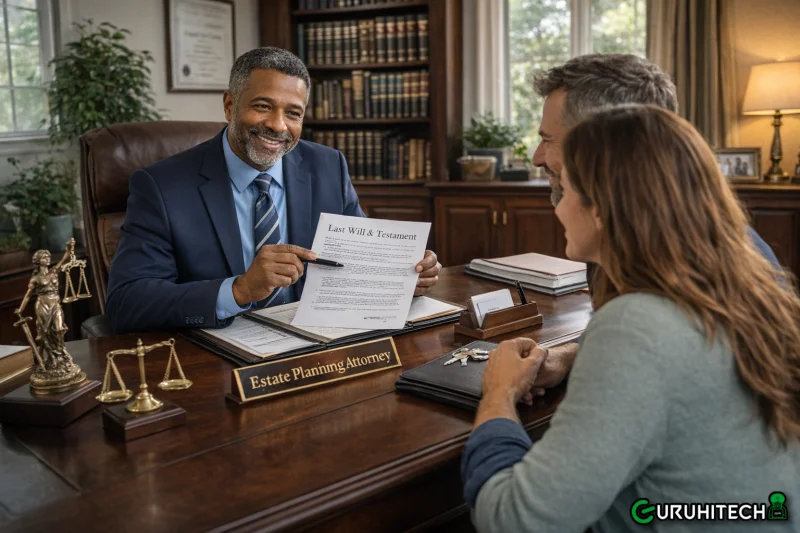
The process of working with an estate planning attorney typically begins with an initial consultation. During this meeting, the attorney gathers information about the client’s assets, family structure, financial goals, and personal wishes. This stage is crucial because a thorough understanding of the client’s situation allows the attorney to design a comprehensive and customized estate plan.
After the initial consultation, the estate planning attorney will draft the necessary documents. This process may involve creating multiple iterations to ensure that all legal requirements are met and that the documents reflect the client’s intentions accurately. Once finalized, the attorney will review each document with the client, explain its implications, and make any necessary adjustments.
Once the estate plan is complete, the attorney may provide additional guidance on how to implement it effectively. This can include transferring assets into trusts, updating beneficiary designations, and communicating the plan to family members. An estate planning attorney ensures that the plan is legally enforceable and that all parties understand their roles and responsibilities.
Estate planning is not a one-time task; it is an ongoing process. Life events such as marriage, divorce, the birth of a child, or changes in financial status require updates to the estate plan. An estate planning attorney provides ongoing support to ensure that the plan remains relevant and effective over time.
Benefits of Working with an Estate Planning Attorney
Working with an estate planning attorney provides numerous benefits beyond simply creating legal documents. Some of the most significant advantages include:
- Peace of Mind: Knowing that your affairs are in order and that your wishes will be honored brings a sense of security for both you and your loved ones.
- Reduced Family Conflicts: Clear instructions from a well-prepared estate plan help prevent disputes and confusion among heirs.
- Tax Efficiency: An estate planning attorney can recommend strategies to minimize taxes and maximize the value of the estate passed to beneficiaries.
- Protection for Loved Ones: Proper planning ensures that minors, dependents, or vulnerable family members are cared for according to your wishes.
- Asset Preservation: By strategically structuring an estate plan, an estate planning attorney helps protect assets from creditors, lawsuits, and other potential threats.
Common Misconceptions About Estate Planning Attorneys
Many people assume that estate planning is only necessary for the wealthy or that it is a one-time task completed in old age. In reality, estate planning is relevant for individuals at every stage of life, regardless of net worth. An estate planning attorney helps tailor strategies that fit each person’s unique circumstances, whether they are managing a modest estate or a complex financial portfolio.
Another misconception is that creating a will online is sufficient. While online resources can provide a basic framework, they cannot account for the intricacies of individual circumstances. An estate planning attorney ensures that all documents are legally valid, comprehensive, and able to withstand potential challenges.
Conclusion
An estate planning attorney is a vital partner in securing your financial future, protecting your loved ones, and ensuring your wishes are honored. From drafting wills and trusts to providing guidance on taxes, incapacity planning, and complex family dynamics, an estate planning attorney offers expertise that cannot be replaced by templates or generic advice.
By engaging an estate planning attorney, individuals gain clarity, confidence, and peace of mind knowing that their legacy will be handled with care and precision. Regardless of age or wealth, careful planning today can prevent unnecessary stress, legal complications, and financial burdens for your family tomorrow. The value of an estate planning attorney extends far beyond legal documents—it is an investment in security, foresight, and enduring peace of mind.
Scopri di più da GuruHiTech
Abbonati per ricevere gli ultimi articoli inviati alla tua e-mail.