
The Rise of the City E-Bike: Why Urban Riders Are Rethinking Daily Travel
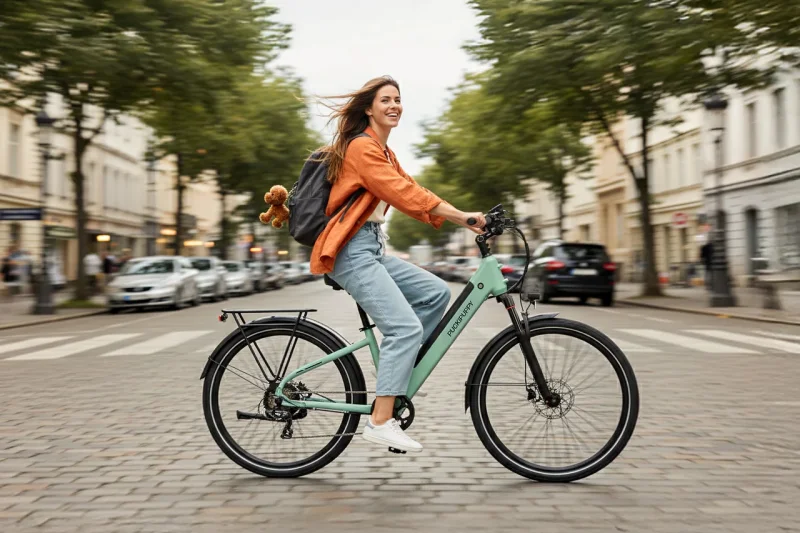
For a long time, daily travel in cities followed familiar patterns. You walked if it was close enough, took public transit if it wasn’t, or drove when convenience seemed to outweigh the hassle. Those habits were rarely questioned—they were simply part of urban life.
Lately, though, many city riders are pausing to reconsider. Not because they want something radical, but because everyday travel no longer feels as straightforward as it once did. In that quiet reassessment, city e-bikes have started to play a new role.
Why Are Urban Riders Rethinking How They Get Around?
The shift isn’t driven by a single problem. It’s the accumulation of small frustrations that make daily travel feel heavier than it should.
Short trips take longer than expected. Routes change without warning. Schedules slip. Parking becomes a calculation. Even when nothing goes wrong, moving through the city often feels like work before the day has even begun.
For many riders, the question is no longer “What’s the fastest way to get there?” but “What’s the least demanding?”
When Daily Travel Stops Being About Distance
One of the more surprising realizations for urban riders is how little distance actually explains their travel fatigue. Many daily trips are short—sometimes only a few miles—but still feel draining.
The effort isn’t in the length of the journey. It’s in the transitions. Waiting. Rerouting. Planning around constraints that have nothing to do with where you’re going.
As cities grow denser and busier, that friction becomes harder to ignore. Riders start looking for options that feel proportionate to the trip itself.
Where City E-Bikes Begin to Make Sense
City e-bikes aren’t replacing every mode of transportation, and they’re not trying to. Their appeal lies in how neatly they fit between walking, transit, and driving.
They handle distances that are too far to walk comfortably but too short to justify a car, they don’t rely on schedules. They don’t require much setup. You step on, ride, and move through the city at your own pace.
For riders who value consistency, that simplicity starts to matter more than raw speed.
Why This Shift Feels Gradual, Not Dramatic
What’s notable about the rise of the city e-bike is how understated it feels. There’s no moment where people decide to “become e-bike riders.” Instead, the change happens incrementally.
Someone uses one for a few errands. Another starts riding to work once or twice a week. Over time, the e-bike becomes part of the routine—not a statement, just a solution that happens to work.
Because the shift doesn’t demand a lifestyle overhaul, it’s easier to adopt. Riders don’t have to commit to anything beyond their next trip.
What Urban Riders Are Really Optimizing For
Contrary to popular assumptions, most city riders aren’t optimizing for performance. They’re optimizing for mental ease.
They want:
- Trips that feel predictable
- Routes that don’t require constant adjustment
- A way to move that doesn’t add stress
City e-bikes meet those needs not by doing more, but by asking less. Less planning, less waiting, less effort spent managing the trip itself.
That restraint is part of their appeal.
How Daily Travel Is Becoming More Personal
Another quiet change is how personal daily travel has become. Riders increasingly want flexibility—the ability to leave when they’re ready, choose their route, and adapt without friction.
City e-bikes support that shift. They don’t lock riders into fixed paths or schedules. They make travel feel responsive rather than imposed.
For many urban residents, that sense of control is what makes daily movement feel manageable again.
Why This Isn’t Just About Bikes
The rise of the city e-bike reflects something broader. It signals a growing preference for travel options that respect time, energy, and attention.
Urban riders aren’t rejecting cars or transit outright. They’re filling the gaps those systems don’t address well—especially short, frequent trips that make up most daily movement.
City e-bikes don’t compete loudly. They simply work where other options feel excessive.
What This Means for the Future of Urban Travel
As cities continue to evolve, daily travel will likely become more fragmented and individualized. One-size-fits-all solutions struggle in that environment.
City e-bikes fit because they’re adaptable. They scale down easily. They suit the rhythm of everyday life rather than peak moments.
That’s why their rise feels organic. It’s not driven by novelty, but by alignment with how people actually move through cities now.
Conclusion: Rethinking Travel Without Making a Big Deal About It
Urban riders aren’t abandoning old habits all at once. They’re adjusting them, one trip at a time. City e-bikes have found their place in that adjustment by offering something rare in daily travel: a sense that the journey doesn’t need managing.
The rise of the city e-bike isn’t about disruption. It’s about relief. When getting around starts to feel simpler, people don’t need convincing—they just keep going.
This shift can also be seen in how some brands approach city e-bikes, focusing more on everyday usability than headline specs. Examples such as Puckipuppy reflect this direction, with designs that emphasize calm handling, comfort, and reliability for daily urban riding rather than extreme performance.
Scopri di più da GuruHiTech
Abbonati per ricevere gli ultimi articoli inviati alla tua e-mail.