
Ultimate Guide: How Automation is Replacing Manual Work
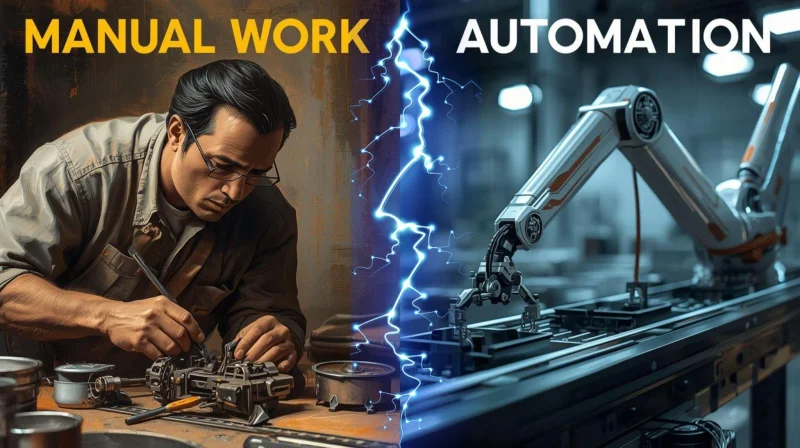
A few years ago, I saw a small finance department transition from a low-cost manual workflow system to AI agents that could self-detect, reconcile, and correct errors. Today, artificial intelligence, smart automation, and intelligent systems are transforming business operations on the flight floor, in corporate offices, and in e-commerce operations. Many human workers were once repetitive, demanding, and listening to pre-programmed tasks, but automated systems now manage these tasks with greater speed, accuracy, and efficiency.
In 2026, companies will use workflow automation, decision-making tools, and algorithmic systems to replace legacy processes like email filters, reports, chatbots, and broken workflow intelligence software. Modern AI automation can handle task execution, improve productivity, support digital transformation, and reduce human effort. From law firms to software teams, many organizations now rely on adaptive systems, enterprise automation, and machine-driven operations to improve daily work and scale quickly.
What is Automation?
Automation means using machines, software, or technology to handle tasks with less human effort. It helps businesses work faster, reduce errors, improve accuracy, and save time for more significant and creative work. Below are the most common key types of Automation.
Industrial Automation:
Industrial automation uses robots and control systems in factories to make products faster and more efficiently. A common example is car assembly lines, where machines help build vehicles with less manual labor.
Software Automation:
Digital automation uses software and scripts to complete repetitive online tasks automatically. It includes Robotic Process Automation (RPA) for tasks like data entry and Business Process Automation (BPA) for handling emails, scheduling, and customer support.
Consumer/Home Automation:
Smart devices and Internet of Things (IoT) technology make everyday life easier by handling tasks automatically. Examples include robotic vacuum cleaners and smart climate control systems that adjust temperature without manual effort.
Automation VS Manual Work
| Automation | Manual Work |
| Tasks are done by machines or software | Tasks are done by people |
| Works faster and saves time | Takes more time to complete |
| Fewer mistakes in repeated tasks | Higher chance of human errors |
| Can work continuously without breaks | Needs rest and working hours |
| Reduces workload and improves efficiency | Requires more physical or mental effort |
How Automation is Replacing Manual Work
Automation helps businesses operate more smoothly by turning repetitive human tasks into faster and more efficient machine-based processes. Here’s how it’s changing today’s workplace:
- Replacing Repetitive Data Entry: Instead of workers manually transferring numbers between spreadsheets and software, modern systems can now automatically collect, check, and organize data in real time.
- Customer Support and Communication: Routine customer questions, scheduling, and email management are now handled 24/7 by chatbots and digital virtual assistants. Human workers only handle difficult or more complex problems.
- Purpose-Built Robotics: In factories and industries, small robots and automated systems handle dangerous or repetitive tasks such as sorting, moving objects, and cleaning with less human effort.
- Streamlining Financial and HR Workflows: Tasks like invoices, bank matching records, hiring setup, and reports now run automatically based on predefined rules, reducing manual work and follow-ups.
Top Industries Affected by Automation
Automation is having a major impact on industries like manufacturing, logistics, healthcare, finance, and retail. These fields use machines and smart systems to handle repetitive tasks, reduce costs, and speed up production.
- Manufacturing: A leading leader in automation, where robots and assembly lines handle tasks such as welding, cutting materials, quality testing, and product packaging very quickly.
- Logistics & Warehousing: Autonomous mobile robots (AMRs) and sorting systems help speed up order processing by moving items, picking products, and packaging them efficiently.
- Healthcare: Robotic systems and smart technologies help process medical samples, support personalized treatments, and analyze medical images.
- Retail & E-Commerce: Self-checkout machines, automated stock tracking, and online ordering systems make store operations faster and enhance the customer experience.
- Finance & Banking: Automated systems handle daily transactions, detect fraud, and assist customers through chatbots, making financial services faster and more efficient.
Major Benefits of Automation
Automation helps businesses automate repetitive and time-consuming tasks. It reduces costs, reduces errors, and helps companies work faster while people focus on more important tasks. Its core benefits are as follows.
- Increased Productivity: Automation saves money in the long run by reducing manual work, reducing errors, and minimizing material waste.
- Cost Reduction: Automation lessens the need for manual work and helps avoid errors and waste, leading to long-term cost savings for businesses.
- Error Minimization: Using software bots or machines to standardize processes helps reduce or nearly eliminate human errors due to fatigue or carelessness
- Improved Safety: Taking on boring, dirty, and risky jobs helps to keep people out of dangerous workplaces.
- 24/7 Capabilities: Unlike humans, automated systems can work continuously without interruption, allowing operations to run 24/7.
The Future of Automation
The future of automation is moving from simple rule-based tasks to autonomous systems. With the help of industrial systems, the Internet of Things (IoT), and digital twins, machines can now make decisions in real time, predict equipment failures, and adjust to changing environments with less human interaction.
Common Myths About Automation
1. Myth: Automation Replaces Human Jobs
It changes the nature of work instead of removing it completely. It handles the 4 Ds tasks that are dull, dirty, and dangerous. This gives workers more time to improve skills, solve problems, and focus on innovation.
2. Myth: It is Only for Large Enterprises with Big Budgets
It is now scalable and accessible to companies of all sizes. Cloud-based options and flexible pricing models help small and medium-sized businesses automate tasks like data validation and customer onboarding to achieve immediate cost savings.
3. Myth: Set It and Forget It
Automated systems such as robotic process automation (RPA) are not completely passive. These systems require regular maintenance, human oversight, and updates to adapt to changing business needs, software updates, and different environments.
4. Myth: It Requires Massive Upfront Investments
You do not need a complete overhaul or custom-built facility to start automation. Organizations can begin by automating one workflow and slowly expand automation over time.
5. Myth: All Business Processes Should Be Automated
A process should not be automated just because it can be. Automating a poorly designed or inefficient process can increase errors. Strategic automation works best after reviewing workflows and automating only those processes that provide real benefits.
Conclusion
Automation is changing how businesses handle everyday tasks by improving speed, accuracy, and productivity. Industries now use smart systems, robotics, and workflow automation to reduce manual tasks and streamline operations. While automation supports cost savings and efficiency, human oversight still matters. Companies that use automation carefully can improve workflow, support workers, and better adapt to future business needs.
FAQs
How can workers adapt to AI changes?
Continuous learning and reskilling help people stay competitive, while generative tools improve productivity in research, coding, design, and content creation.
How does automation help employees?
Reducing manual tasks gives employees more time to focus on valuable work. It also improves innovation by helping teams use creativity and critical thinking for more challenging tasks.
Scopri di più da GuruHiTech
Abbonati per ricevere gli ultimi articoli inviati alla tua e-mail.