
Understanding Water Heater Systems and the Importance of Timely Maintenance
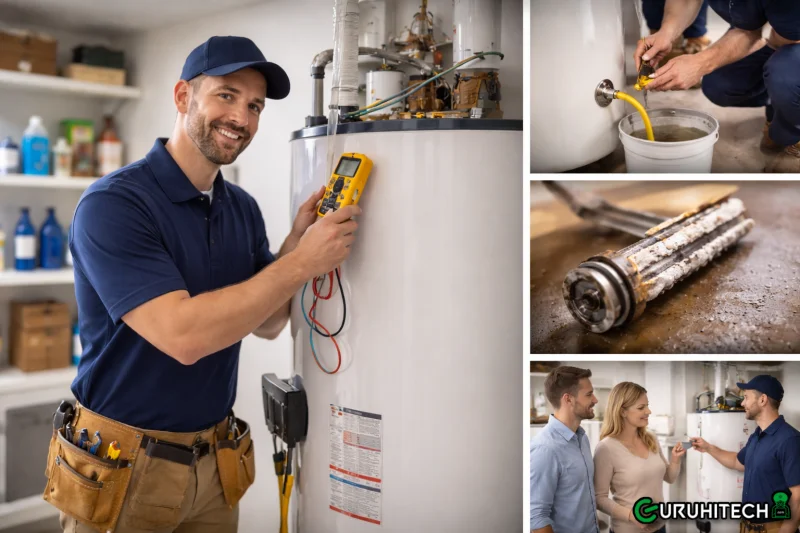
A reliable water heater is one of the most essential components of any residential or commercial property. From warm showers and clean dishes to sanitation and comfort, hot water supports daily routines that are often taken for granted until something goes wrong. When a water heater begins to malfunction, it can disrupt schedules, increase utility costs, and even cause property damage if left unaddressed—especially during house renovations. Understanding how water heaters work, what causes common problems, and why professional servicing matters can help property owners make informed decisions and extend the lifespan of their systems.
This comprehensive guide explores the mechanics of water heaters, the most frequent issues they face, signs that indicate trouble, and the value of expert attention when problems arise. By gaining insight into these areas, homeowners and business owners alike can avoid unexpected breakdowns and ensure consistent performance.
How Water Heater Systems Operate
Water heaters are designed to heat and store water at a set temperature so it can be delivered on demand. While the concept is simple, the internal components work together in a precise manner to ensure efficiency and safety.
Traditional storage tank water heaters consist of a tank that holds a specific volume of water, heating elements or burners that raise the water temperature, a thermostat to regulate heat, and safety features such as pressure relief valves. When hot water is used, cold water enters the tank to replace it, and the heating cycle begins again.
Tankless water heaters operate differently by heating water only when needed. Instead of storing hot water, these systems use powerful heating elements to instantly warm water as it flows through the unit. While tankless systems offer energy savings and unlimited hot water, they still require proper upkeep to function reliably.
Regardless of the type, all water heaters rely on consistent maintenance and timely attention to keep components operating smoothly.
Common Problems That Affect Water Heater Performance
Water heaters are subjected to constant temperature changes, water pressure, and mineral exposure, which can lead to wear over time. Some issues develop gradually, while others appear suddenly and demand immediate attention.
One of the most common problems is inconsistent water temperature. This may be caused by a faulty thermostat, failing heating element, or sediment buildup inside the tank. When minerals from hard water settle at the bottom of the tank, they create a barrier between the heating source and the water, reducing efficiency and increasing energy consumption.
Leaks are another frequent concern. A small leak may begin at a valve or connection, but larger leaks can signal internal tank corrosion. Ignoring leaks can lead to structural damage, mold growth, and higher utility bills.
Strange noises such as popping, rumbling, or banging often indicate sediment accumulation. As water heats beneath the sediment layer, trapped steam bubbles rise and burst, creating noise and stressing the tank.
Discolored or foul-smelling water may point to corrosion or bacterial growth inside the system. This is particularly common in systems that have not been flushed or maintained regularly.
The Impact of Delayed Repairs on Efficiency and Safety
Postponing necessary service can turn minor issues into major failures. A water heater operating inefficiently uses more energy to produce the same amount of hot water, leading to higher utility bills. Over time, excessive strain on heating elements and burners shortens the overall lifespan of the unit.
Safety is another critical factor. Faulty pressure relief valves, overheating components, or gas-related issues can pose serious risks if not handled promptly. In extreme cases, neglected systems may fail catastrophically, causing flooding or other hazards.
Addressing problems early through professional water heater repair can prevent these risks and restore optimal performance before permanent damage occurs.
Signs That Your Water Heater Needs Professional Attention
Many water heater problems provide warning signs before complete failure. Recognizing these indicators can help property owners act before the situation worsens.
A noticeable decrease in hot water supply is often one of the first clues. If hot water runs out faster than usual, internal components may be failing or the tank may be losing efficiency.
Rising energy costs without an increase in usage can signal that the system is working harder than necessary. This inefficiency is often linked to sediment buildup or aging parts.
Visible corrosion on the tank or around fittings suggests moisture exposure and potential leaks. Rust-colored water coming from hot water taps may also indicate internal deterioration.
Unusual odors, especially a sulfur-like smell, can result from bacterial activity inside the tank. This not only affects water quality but can also damage internal components if ignored.
Why Professional Expertise Matters for Water Heater Issues
While some homeowners attempt basic troubleshooting, water heaters are complex systems that involve electricity, gas, and pressurized water. Improper handling can worsen the problem or create safety hazards.
Professional technicians have the tools and experience to accurately diagnose issues and recommend appropriate solutions. Whether the problem involves electrical components, gas connections, or internal tank damage, trained specialists follow safety protocols and industry standards.
Choosing professional water heater repair ensures that repairs are completed correctly the first time, reducing the likelihood of repeat problems and extending the system’s lifespan.
Maintenance Practices That Support Long-Term Performance
Preventive maintenance plays a significant role in keeping water heaters operating efficiently. Regular flushing of the tank removes sediment buildup, improving heat transfer and reducing stress on components.
Inspecting and testing the pressure relief valve ensures that excess pressure can be released safely. Replacing worn anode rods helps prevent corrosion by attracting minerals that would otherwise damage the tank lining.
Thermostat calibration is another important step. Setting the temperature too high increases energy usage and wear, while setting it too low may encourage bacterial growth.
Scheduling periodic inspections allows technicians to identify potential issues early and perform water heater repair before costly breakdowns occur.
Repair Versus Replacement Considerations
When a water heater experiences repeated issues, property owners often face the decision of whether to repair or replace the unit. Several factors influence this choice, including the system’s age, overall condition, and repair history.
Most traditional tank water heaters last between eight and twelve years, while tankless systems may last longer with proper care. If a unit is nearing the end of its expected lifespan and requires frequent repairs, replacement may be more cost-effective.
However, newer systems with isolated component failures often benefit from targeted repairs. A professional assessment helps determine whether continued investment in repairs is worthwhile or if upgrading to a newer, more efficient model makes better financial sense.
Energy Efficiency and Modern Water Heater Solutions
Advancements in water heater technology have introduced more energy-efficient options that reduce environmental impact and operating costs. High-efficiency tank models, heat pump water heaters, and modern tankless systems offer improved performance when compared to older designs.
Even with advanced systems, maintenance remains essential. High-efficiency units often include sensitive components that require precise calibration and regular inspection.
Timely water heater repair ensures that these modern systems deliver their intended benefits without sacrificing reliability or safety.
The Role of Professional Service in Protecting Your Investment
A water heater represents a significant investment in any property. Protecting that investment requires more than reactive fixes; it involves ongoing care, informed decision-making, and professional support.
Expert technicians provide guidance on proper usage, maintenance schedules, and system upgrades. Their experience allows them to identify patterns that may not be obvious to untrained individuals.
By addressing issues early and relying on skilled professionals, property owners can maximize performance, reduce long-term costs, and avoid unexpected disruptions.
Conclusion: Ensuring Reliable Hot Water Through Proactive Care
Water heaters are essential systems that support comfort, hygiene, and daily convenience. Despite their importance, they are often overlooked until problems arise. Understanding how these systems function, recognizing early warning signs, and prioritizing professional service can make a significant difference in reliability and efficiency.
Regular maintenance, prompt attention to issues, and informed repair decisions help extend the lifespan of water heaters and maintain consistent performance. When challenges arise, expert water heater repair provides the knowledge and precision needed to restore functionality and protect the system from further damage.
Scopri di più da GuruHiTech
Abbonati per ricevere gli ultimi articoli inviati alla tua e-mail.