
UV Air Purification Systems: A Modern Solution for Cleaner and Healthier Indoor Air
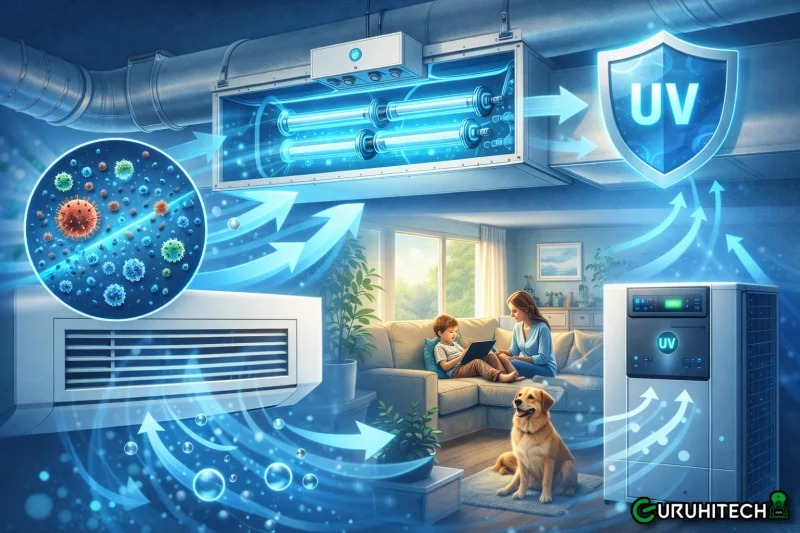
Indoor air quality plays a critical role in human health, comfort, and productivity, yet many residential and commercial spaces struggle with airborne contaminants that traditional filtration alone cannot fully eliminate. Dust, allergens, bacteria, viruses, mold spores, and volatile organic compounds often circulate continuously through HVAC systems, affecting indoor environments long after visible cleanliness is achieved. UV air purification systems offer an advanced approach to improving indoor air quality by neutralizing harmful microorganisms and reducing airborne pollutants at their source.
Understanding UV Air Purification Systems
UV air purification systems use ultraviolet light, typically UV-C wavelengths, to disrupt the DNA and cellular structure of microorganisms such as bacteria, viruses, and mold. When these pathogens are exposed to UV-C light, they lose the ability to reproduce and spread, effectively neutralizing them. Unlike air fresheners or masking agents, UV air purification systems do not add chemicals or fragrances to the air. Instead, they target contaminants directly, making them a reliable solution for maintaining cleaner indoor air.
How UV Air Purification Works in HVAC Systems
Most UV air purification systems are installed within HVAC units or ductwork, allowing them to treat air as it circulates through the building. As air passes by the UV lamps, microorganisms are exposed to ultraviolet light and rendered inactive before being redistributed throughout the space. Some systems are designed to continuously disinfect HVAC components, such as coils and drain pans, where moisture creates ideal conditions for mold growth. This integrated approach enhances overall system cleanliness and efficiency while improving indoor air quality.
Common Indoor Air Quality Problems UV Systems Address
Many indoor air quality issues stem from biological contaminants that standard filters cannot fully capture. Mold growth within ductwork, airborne bacteria, and viruses contribute to allergies, respiratory irritation, and unpleasant odors. UV air purification systems help address these issues by reducing microbial buildup and limiting the circulation of harmful organisms. They are especially beneficial in environments with high occupancy, limited ventilation, or increased sensitivity to allergens, such as homes with children, elderly individuals, or people with respiratory conditions.
Benefits of UV Air Purification Systems
One of the primary benefits of UV air purification systems is their ability to improve indoor air hygiene without the use of harsh chemicals. By neutralizing microorganisms, these systems help reduce the spread of airborne illnesses and create a healthier living or working environment. Additionally, UV systems can improve HVAC efficiency by keeping coils and internal components cleaner, reducing strain on the system and potentially lowering energy costs. Over time, this contributes to extended equipment lifespan and more consistent indoor comfort.
Residential Applications of UV Air Purification
In residential settings, UV air purification systems provide added protection against allergens, mold spores, and airborne pathogens. Homes in humid climates or with limited ventilation are particularly susceptible to mold growth, making UV purification an effective preventive measure. These systems operate silently and continuously, requiring minimal intervention from homeowners. By improving indoor air quality, UV air purification contributes to better sleep, reduced allergy symptoms, and overall well-being.
Commercial and Healthcare Applications
Commercial buildings, schools, offices, and healthcare facilities benefit significantly from UV air purification systems due to higher occupancy levels and increased exposure risks. In healthcare settings, controlling airborne pathogens is essential for patient safety and infection control. UV systems help reduce cross-contamination and support healthier indoor environments in spaces where air quality directly impacts health outcomes. Offices and retail environments also benefit from improved air quality, which can enhance employee productivity and customer comfort.
Safety and Effectiveness Considerations
When properly installed, UV air purification systems are safe and effective. The UV-C light is contained within HVAC equipment or sealed chambers, preventing direct exposure to occupants. Professional installation ensures correct placement, appropriate lamp intensity, and compliance with safety standards. While UV systems are highly effective at neutralizing microorganisms, they work best as part of a comprehensive indoor air quality strategy that includes proper ventilation and high-quality air filtration.
Maintenance and System Longevity
UV air purification systems require minimal maintenance, but periodic lamp replacement is necessary to maintain effectiveness. UV bulbs typically need replacement every one to two years, depending on usage and manufacturer recommendations. Regular inspections ensure that the system continues to operate efficiently and delivers consistent air purification. Compared to other air cleaning technologies, UV systems offer a low-maintenance and long-lasting solution for improving indoor air quality.
Energy Efficiency and Environmental Impact
UV air purification systems consume relatively low amounts of energy, making them an environmentally responsible choice. By keeping HVAC components clean and operating efficiently, they can indirectly reduce energy consumption associated with heating and cooling. Additionally, because UV systems reduce the need for chemical cleaners and disinfectants, they support healthier indoor environments with minimal environmental impact.
Choosing the Right UV Air Purification System
Selecting the right UV air purification system depends on building size, HVAC configuration, and specific air quality concerns. Professional assessment helps determine the appropriate system type, lamp placement, and intensity required for effective purification. Working with experienced HVAC or indoor air quality specialists ensures proper installation and long-term performance.
Conclusion
UV air purification systems provide a powerful and efficient solution for improving indoor air quality in both residential and commercial environments. By neutralizing harmful microorganisms and reducing microbial buildup within HVAC systems, they support healthier, cleaner, and more comfortable indoor spaces. As concerns about air quality and health continue to grow, UV air purification systems offer a proven, low-maintenance approach to protecting occupants and enhancing overall indoor air hygiene.
Scopri di più da GuruHiTech
Abbonati per ricevere gli ultimi articoli inviati alla tua e-mail.