
Buying a Wearable Breast Pump in Canada: Practical Things to Check First
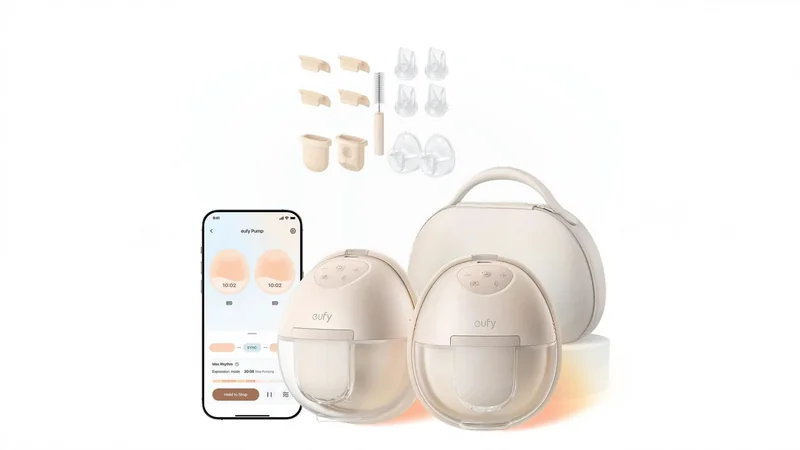
Returning to work, managing errands, or caring for an older child can make it difficult to find uninterrupted time for pumping. For parents who express milk, a wearable breast pump may offer more flexibility by allowing milk collection without staying beside a traditional pump motor. Still, portability alone does not guarantee that a particular model will suit every person.
If you are comparing options in Canada, it helps to look beyond product photos and advertised features. Comfort, cleaning, replacement parts, local availability, and the realities of your daily routine all deserve attention before making a purchase.
What Does a Wearable Pump Actually Offer?
A wearable pump is designed to sit inside a bra, with the collection container and motor integrated into a compact unit or connected through a small system. Because it does not usually require a separate countertop motor, it can be easier to use in situations where space is limited.
For example, a parent working from home might appreciate being able to move between rooms during a pumping session. Someone commuting or traveling may prefer equipment that fits into a bag without taking up much space.
However, wearable pumps do not make every activity practical during pumping. Their size, weight, motor sound, and fit under clothing vary. Bending, walking quickly, or moving frequently may affect comfort or positioning with some models.
It is also important to understand that portability does not automatically mean better milk output. Individual response, flange fit, suction settings, and the frequency of milk removal can influence results. A compact pump is useful only if it works comfortably and effectively for the person using it.
Start With Fit, Not the Feature List
When comparing a wearable breast pump, give particular attention to the breast shield or flange. This component needs to fit appropriately to support comfortable milk expression. A poorly fitting flange may contribute to nipple discomfort, rubbing, swelling, or less effective milk removal. Some manufacturers provide multiple flange sizes or sizing inserts, while others sell them separately. Check what is included in the package and whether additional sizes can be purchased locally.
The shape of the collection cup matters as well. Since wearable units sit inside a bra, the design needs to fit your body and clothing comfortably. A bulky cup may be difficult to conceal under fitted clothing, while an unsuitable bra may allow the pump to shift during use. If you are purchasing online, review the return policy carefully. Some retailers restrict returns of opened personal-care or hygiene products. Knowing the policy beforehand can prevent an expensive surprise if the fit is unsuitable.
Persistent pain is not something you should simply accept as part of pumping. Stop if the equipment causes significant discomfort, review the fit and instructions, and seek help from a lactation consultant or healthcare professional if the problem continues.
What to Check When Shopping in Canada
Searching for a breast pump Canada shoppers can purchase may produce results from local retailers, marketplace sellers, and international websites. These options can differ in price, delivery times, warranty coverage, and access to replacement components. Before placing an order, confirm where the product ships from and whether the seller provides support in Canada. An inexpensive listing may become less attractive if replacement parts are difficult to obtain or warranty service requires sending the device overseas.
Also check the power adapter and charging requirements. If the pump uses a rechargeable battery, make sure the supplied charger is suitable for Canadian electrical outlets or that the manufacturer provides a compatible alternative. Product documentation is another consideration. Clear instructions should explain assembly, operation, cleaning, troubleshooting, and the intended use of each component. Instructions that are difficult to find or understand can make regular use unnecessarily complicated.
Prices should be compared on an equivalent basis. One package may include several flange sizes, storage accessories, or additional collection cups, while another may require separate purchases. Compare the complete setup you will actually need rather than just the headline price.
Battery Life and Cleaning Can Shape Your Experience
A wearable pump’s battery can be convenient when there is no nearby outlet, but its practical value depends on how often you pump and how long each session lasts. Review the manufacturer’s stated runtime and charging time, keeping in mind that real-world performance can vary with settings and battery condition. If you plan to pump during a workday, consider whether the battery can support your schedule and whether you have a reliable way to recharge it. Carrying a charging cable or a compatible backup power source may be helpful, provided the manufacturer permits its use.
Cleaning deserves just as much attention. Wearable pumps can contain small valves, seals, membranes, and collection components that need careful handling. A compact design does not necessarily mean fewer parts or less cleaning. Before buying, look at the assembly instructions and confirm which components contact milk. Follow the manufacturer’s directions for washing, drying, and sanitizing where appropriate. Parts that come into contact with expressed milk generally need to be cleaned after each use.
Parents with limited time may find it useful to have enough compatible parts to cover their routine, provided they can store and clean them safely. Replacement valves and membranes should be easy to identify and order.
Consider Milk Storage Before Your First Session
The pumping device is only one part of the process. Once milk has been expressed, it needs to be handled and stored appropriately. If you will be pumping at work, check whether a refrigerator is available and whether you can store milk in a clearly labeled container. For commuting or outings, an insulated cooler with suitable ice packs can help keep expressed milk cold until it can be refrigerated.
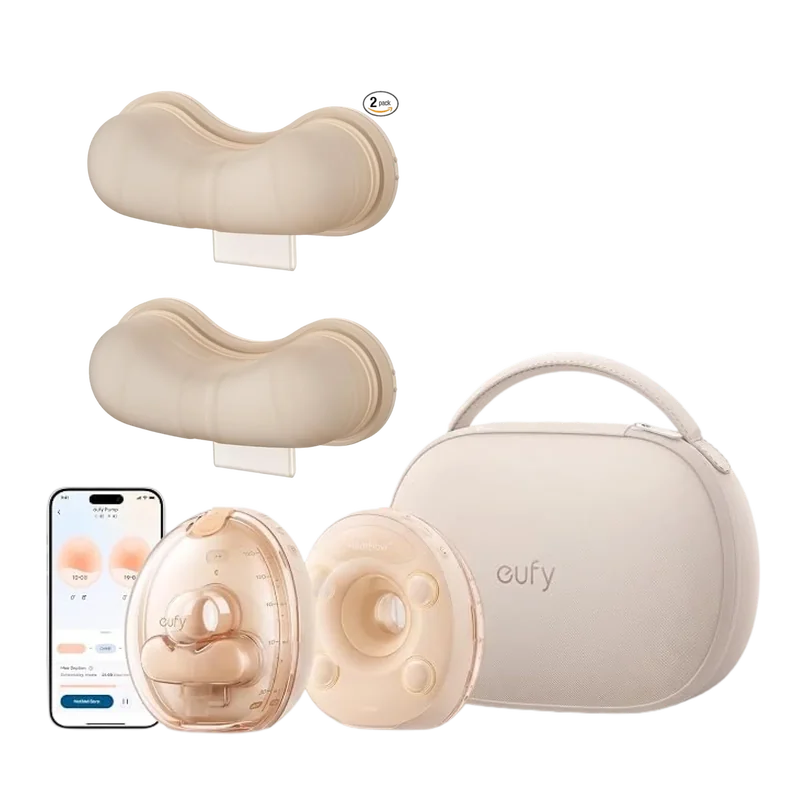
Follow current guidance from a reliable health authority for storage times and temperatures, especially when using a breast pump canada product while expressing milk away from home. Requirements may differ depending on whether milk is freshly expressed, refrigerated, frozen, or transported. Do not rely on the pump’s collection container as long-term storage unless the manufacturer specifically states that it is suitable for that purpose. Planning storage in advance can make pumping away from home feel far less stressful.
Make the Decision Around Your Routine
A wearable model may be a good fit for someone who values portability and has a routine that allows comfortable use. A traditional electric pump may be more practical for someone who prefers a stationary setup, needs particular features, or finds wearable cups uncomfortable.
Think about where you will pump, how frequently you expect to use the device, how you will clean it, and whether you can obtain replacement parts without difficulty. These questions are more useful than choosing based on popularity alone.
Conclusion
Buying a wearable breast pump in Canada involves more than finding a compact model at a reasonable price. Fit, comfort, cleaning, battery performance, local warranty support, and milk storage all affect the experience after the package arrives.
Compare the full cost and practical requirements of each option before deciding. A suitable pump should fit your body and daily schedule while allowing comfortable, manageable milk expression.
FAQs
1. Can I buy a wearable breast pump from Canadian retailers?
Availability varies by brand and model. Check established Canadian retailers and the manufacturer’s official store, and confirm shipping, warranty coverage, and replacement-part availability before ordering.
2. Are wearable breast pumps comfortable to use?
Comfort depends on flange size, cup shape, bra fit, suction settings, and individual anatomy. A well-fitting device should not cause persistent pain. Seek professional guidance if discomfort continues.
3. Does a wearable pump need special bras?
Not every model requires a specific bra, but a supportive fit can help keep the collection cups correctly positioned. Check the manufacturer’s fit recommendations and consider how the pump sits under your usual clothing.
4. Can I store expressed milk directly in the pump?
Some collection containers may be designed for temporary storage, but compatibility and storage instructions differ. Transfer milk to an appropriate clean container when needed and follow current milk-storage guidance.
5. What should I check before ordering a pump online in Canada?
Review the total price, shipping location, return restrictions, warranty terms, charger compatibility, flange options, cleaning instructions, and availability of replacement parts. These details can matter as much as the initial purchase price.
Ti potrebbe interessare:
Segui guruhitech su:
- Google News: bit.ly/gurugooglenews
- Telegram: t.me/guruhitech
- Facebook: facebook.com/guruhitechfb
- Instagram: instagram.com/guruhitech_official/
- X (Twitter): x.com/guruhitech1
- Bluesky: bsky.app/profile/guruhitech.bsky.social
- Rumble: rumble.com/user/guruhitech
- VKontakte: vk.com/guruhitech
- MeWe: mewe.com/i/guruhitech
- Skype: live:.cid.d4cf3836b772da8a
- WhatsApp: bit.ly/whatsappguruhitech
Esprimi il tuo parere!
Ti è stato utile questo articolo? Lascia un commento nell’apposita sezione che trovi più in basso e se ti va, iscriviti alla newsletter.
Per qualsiasi domanda, informazione o assistenza nel mondo della tecnologia, puoi inviare una email all’indirizzo [email protected].
Scopri di più da GuruHiTech
Abbonati per ricevere gli ultimi articoli inviati alla tua e-mail.