
What Are the Best Solar Energy Solutions Available?
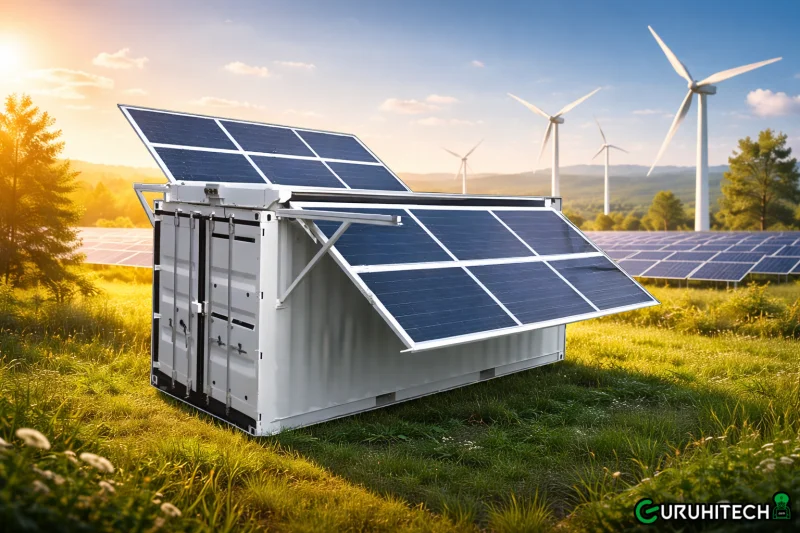
The increased demands of global energy has been prompting homes and businesses to look for renewable alternatives and sources of energy and in this case; solar energy is one of the leading energy sources in the present day which proves to be cost effective and a friendly alternative to your energy needs. In this guide, we have taken some time to identify some of the best solar energy alternatives, how the system works and what is the appropriate choice for you.
Why Choose Solar Energy?
Solar energy is a renewable energy source that utilizes sunlight. There are many advantages to solar energy:
- Lowers electricity bills
- Ecologically beneficial
- Inexpensive to maintain
- Energy independence
- Returns on investment over the long term
Understand solar energy basics by exploring:
Types of the Best Solar Energy Solutions
1. Grid-Tied Solar Systems
Grid tied systems are often the most affordable and most widespread. These are simply connected to your neighborhood electricity grid.
Advantages:
- Lower initial cost
- Net metering (sell power back)
- No batteries needed
- Find the latest solar options
2. Off-Grid Solar Systems
- These are best suited for locations far from the grid:
- The most significant benefit is complete autonomy.
- They require batteries for power storage.
- Cost is higher upfront
3. Hybrid Solar Systems
Hybrid system featuresbothgrid-tiedand off-grid and this gives it greater flexibility.
Benefits ofHybrid system:
- backup power during a blackout
- Store excess energy
- Reduce electricity bills
4. Solar Water Heating Systems
These systems use sunlight to heat water for residential or commercial use.
Why choose it?
- Lower energy bills
- Simple installation
- Highly efficient
5. Solar Street Lighting & Commercial Solutions
Businesses and municipalities use advanced solar energy technologies for lighting and infrastructure.
Use cases:
- Street lights
- Parking lots
- Industrial setups
Step-by-Step guide to select best solar solution
- Hybrid
Step 4: Choose next you will need to have a step by step process. You will have to check:
Step 1: Assess Your energy needs
Find your monthly energy consumption in kWh, this is a rough size of the system that you will require.
Step 2: Know your Location
Check if there’s sufficient sunlight in your area. The more sunlight there is, the more effective is the system.
Step 3: Type of system selection
AreaUrbanGrid-tied Remote areaOff-grid Back-up required?t your budget
Costs: installation cost, maintenance cost,ROI.
Step 5: Provider selection
Choose a provider with best feedback from clients. Check premium solar solutions here:
solar solutions
Step 6: Installation and maintenance
Installation should be done by certified professionals, check that panels have been oriented and angled correctly, and have periodic maintenance.
Key Components of a Solar Energy System
Knowing what each part is will assist you with your choices:
- Solar Panels – Turn sunlight into electricity
- Inverter – Change DC to AC power
- Battery Storage – Hold excess energy
- Mounting System – Hold panels onto roof
- Monitoring System – See how well the panels work
Benefits of Investing in Solar Energy
Investing in solar energy is not just about saving money it’s about securing your future.
Financial Benefits
- Reduced utility bills
- Government incentives
- Increased property value
Environmental Impact
- Reduces carbon footprint
- Promotes sustainability
Energy Security
- Protection against rising electricity costs
- Reliable backup power
Learn more about advanced solar energy systems:
solar energy
Why Choose Professional Solar Solutions?
Not all systems are created equal. Professional providers offer:
- Customized system design
- High-quality equipment
- Expert installation
- After-sales support
Discover trusted solar solutions:
solar solutions
FAQs About Solar Energy Solutions
1. What is the best type of solar system to use for a home?
It depends on your circumstances; a grid tied system is suitable for the urban home but if there are frequent power outages then a hybrid system would be the better choice.
2. How long do solar panels last for?
A well maintained solar panel can last for between 25-30 years, so can be viewed as a good long term investment.
3. Are solar panels expensive to install?
The installation of a system can be costly however in the long term and considering the incentives it can prove to be a highly efficient use of money.
4.How will weather affect energy generation from solar panels?
Although energy output will not be at its peak, solar panels will still produce electricity when there are cloudy skies.
Final Thoughts
The demand for solar power is growing rapidly and the reasons for this are obvious. No matter your energy requirements or your budget, whether you choose the simpler, more straightforward grid-tied option or a more complicated hybrid solution, there is a solar power option for you.
Purchasing high-quality solar solutions guarantees that you will be saving money while helping to preserve the planet from dangerous pollutants.
Scopri di più da GuruHiTech
Abbonati per ricevere gli ultimi articoli inviati alla tua e-mail.