
Why Players Overestimate Control in Prediction Games
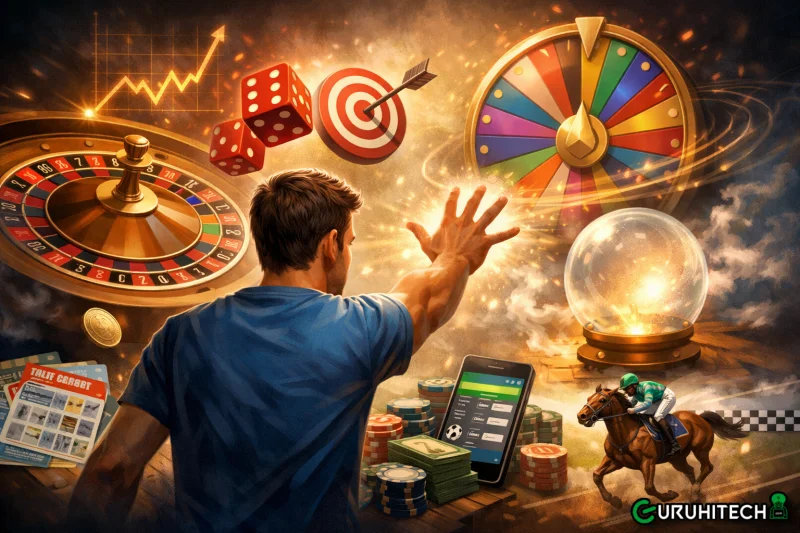
Prediction games, particularly those centered around color-based outcomes, are designed around randomness and probability. Each round is independent, and the chances of winning remain constant regardless of past results. Yet players often believe they can influence outcomes through their choices, timing, or strategies. This tendency to overestimate control is rooted in psychological biases, emotional responses, and the way platforms like Tashan win app present information. Understanding why players overestimate control reveals the complex interplay between human cognition and chance-based entertainment.
The Illusion of Control
The illusion of control is a well-documented psychological phenomenon where individuals believe they can influence outcomes that are actually determined by chance. In prediction games, this illusion arises when players feel that their decisions, such as choosing a particular color or timing their entry, affect results. Even though outcomes are generated randomly, the act of making a choice creates a sense of agency. This perceived influence encourages players to believe they are shaping the game, even when they are not.
Reinforcement Through Wins and Near Misses
Wins and near misses reinforce the illusion of control. When players succeed, they attribute the outcome to their skill or judgment rather than chance. Near misses, where the chosen outcome is close to the winning result, intensify this perception by suggesting that success is within reach. These experiences create a feedback loop where players believe their strategies are effective, motivating them to continue playing. The reinforcement of control through wins and near misses sustains engagement even when probabilities remain unchanged.
Cognitive Biases and Pattern Recognition
Humans are natural pattern seekers, and this tendency distorts probability assessment in prediction games. Players often interpret random sequences as meaningful patterns, believing they can predict future outcomes based on past results. This bias leads to strategies built on perceived trends, such as expecting a different color after a streak. In reality, each round is independent, but the human inclination to find order in randomness fuels the belief in control. Pattern recognition, while adaptive in many contexts, becomes misleading in chance-based systems.
Emotional Investment and Overconfidence
Emotional investment amplifies the perception of control. Players who spend time and resources on prediction games develop a sense of ownership over outcomes. This investment fosters overconfidence, where individuals believe they have superior insight or skill. Overconfidence leads to riskier decisions and greater persistence, as players assume they can overcome randomness through determination. The emotional connection to the game strengthens the illusion of control, making it difficult for players to disengage.
Platform Design and Visual Stimuli
The design of prediction platforms also contributes to the overestimation of control. Visual stimuli such as flashing lights, celebratory animations, and dynamic interfaces create the impression that outcomes are responsive to player actions. These design elements heighten excitement and reinforce the sense of agency. By emphasizing wins and dramatizing near misses, platforms subtly encourage players to believe they are influencing results. The presentation of randomness through engaging visuals distorts rational risk perception.
Conclusion
Players overestimate control in prediction games because of psychological biases, reinforcement through wins and near misses, pattern recognition tendencies, emotional investment, and platform design. The illusion of control transforms chance-based outcomes into experiences that feel influenced by skill or strategy, sustaining engagement even when probabilities remain constant. Recognizing this distortion is essential for responsible play, as it helps players understand the limits of their influence and the true nature of randomness. In prediction platforms, the perception of control may drive excitement, but awareness of its illusory nature ensures healthier and more informed participation.
Ti potrebbe interessare:
Segui guruhitech su:
- Google News: bit.ly/gurugooglenews
- Telegram: t.me/guruhitech
- Facebook: facebook.com/guruhitechfb
- Instagram: instagram.com/guruhitech_official/
- X (Twitter): x.com/guruhitech1
- Bluesky: bsky.app/profile/guruhitech.bsky.social
- Rumble: rumble.com/user/guruhitech
- VKontakte: vk.com/guruhitech
- MeWe: mewe.com/i/guruhitech
- Skype: live:.cid.d4cf3836b772da8a
- WhatsApp: bit.ly/whatsappguruhitech
Esprimi il tuo parere!
Ti è stato utile questo articolo? Lascia un commento nell’apposita sezione che trovi più in basso e se ti va, iscriviti alla newsletter.
Per qualsiasi domanda, informazione o assistenza nel mondo della tecnologia, puoi inviare una email all’indirizzo [email protected].
Scopri di più da GuruHiTech
Abbonati per ricevere gli ultimi articoli inviati alla tua e-mail.