
Why Reliable Mobile Access Is Becoming a Necessity, Not a Luxury
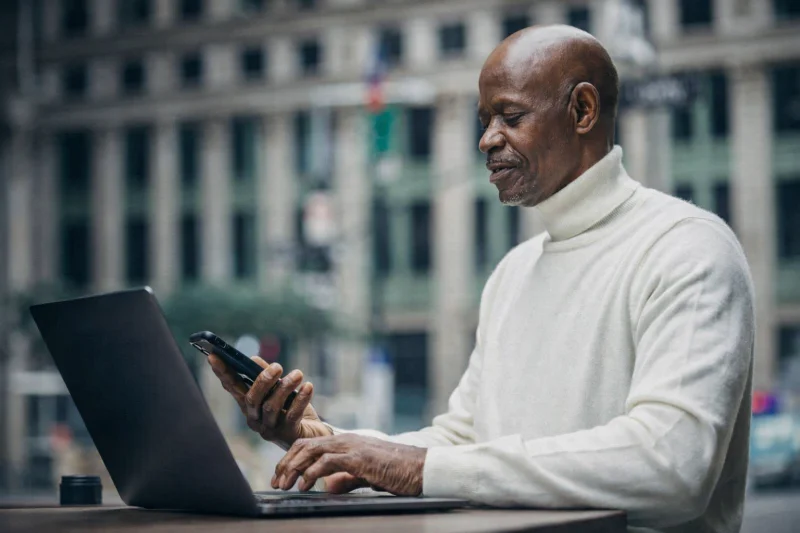
Not everyone has equal access to mobile devices or affordable wireless services, even in a digitally connected world. For many households across the United States, having a stable mobile connection can still present financial challenges. As digital services continue to expand, national assistance programs and wireless providers are working together to make mobile access more affordable and accessible for the communities that need it most.
1. When Connectivity Determines Opportunity?
In today’s digital economy, reliable connectivity can directly influence a person’s opportunities. People who lack access to stable internet services or modern mobile devices may face difficulties in completing everyday tasks that many others take for granted.
These challenges often affect several groups more significantly than others, including:
- Low-income households
- Seniors
- Rural communities
- Students
For example, students may rely on mobile devices to access online learning platforms or submit assignments. Seniors may depend on smartphones to communicate with healthcare providers or stay in touch with family members. Job seekers frequently use mobile apps to search for employment opportunities or complete digital applications.
Without dependable mobile access, individuals may find it harder to fully participate in today’s increasingly digital society.
2. National Programs Helping Bridge the Digital Divide
To address these challenges, several national initiatives have been developed to support affordable connectivity.
One of the most well-known programs is the Lifeline program, a federal telecommunications assistance initiative administered by the Federal Communications Commission (FCC). The program was designed to help ensure that essential communication services remain accessible to households with limited income.
The core goals of the Lifeline program include:
- Helping low-income households stay connected
- Reducing the cost of mobile services
- Expanding access to internet connectivity
Many individuals qualify for Lifeline through an annual income of less than 135% of the Federal Poverty Guidelines, or participation in government assistance programs such as:
- SNAP / EBT
- Medicaid
- Supplemental Security Income (SSI)
- Federal Public Housing Assistance
Beyond reducing the monthly cost of service, the program now works with participating wireless providers to expand access to essential connectivity tools.
This can include:
- Mobile devices
- Basic wireless service plans
- SIM cards for mobile activation
In some cases, eligible participants may receive a free SIM card with free service through licensed providers participating in the Lifeline program system.
3. Expanding Access to Modern Smartphones
Over the past decade, smartphones have evolved into powerful tools that support many everyday activities.
However, the price of modern smartphones continues to rise. New flagship devices from major manufacturers can cost several hundred dollars or more, making them difficult to afford for households managing tight budgets.
Because of this growing gap, some telecommunications assistance programs and participating providers have expanded their support beyond simply reducing service costs.
Some participating providers also help eligible customers access devices such as a free iPhone or a free Samsung phone. By improving both service affordability and device accessibility, these programs help reduce barriers to digital participation.
4. How Providers Are Expanding Digital Access Across the Country?
Across the United States, several wireless providers participate in the Lifeline program to help extend connectivity to underserved communities.
Through these partnerships, providers contribute to broader digital inclusion by offering services and support that make mobile access more attainable.
Common initiatives include:
- Providing eligible devices to qualified customers
- Expanding network coverage in additional regions
- Improving access to affordable mobile service plans
By working alongside federal programs, providers can help ensure that households in different parts of the country have opportunities to stay connected.
Providers like AirTalk Wireless have been working with the Lifeline program to expand access to mobile services and supported devices across more than 40 states, helping eligible users maintain reliable connectivity in their daily lives.
To apply, users can visit the AirTalk Wireless website, choose a suitable plan, pick a device, complete a short check for personal details, and submit proof of enrollment in a qualifying federal assistance program or proof of income to get the process underway.
As more services continue to move online, the role of wireless providers in supporting accessible communication infrastructure is becoming increasingly important.
Final Words
Programs like Lifeline, together with participating wireless providers, continue to reduce barriers by helping eligible households gain easier access to both mobile services and essential devices.
For those who believe they may qualify, now may be a good time to explore Lifeline-supported providers and the device programs currently available. Taking a few minutes to review eligibility options could open the door to more affordable mobile connectivity and the digital opportunities that come with it.
Ti potrebbe interessare:
Segui guruhitech su:
- Google News: bit.ly/gurugooglenews
- Telegram: t.me/guruhitech
- Facebook: facebook.com/guruhitechfb
- Instagram: instagram.com/guruhitech_official/
- X (Twitter): x.com/guruhitech1
- Bluesky: bsky.app/profile/guruhitech.bsky.social
- Rumble: rumble.com/user/guruhitech
- VKontakte: vk.com/guruhitech
- MeWe: mewe.com/i/guruhitech
- Skype: live:.cid.d4cf3836b772da8a
- WhatsApp: bit.ly/whatsappguruhitech
Esprimi il tuo parere!
Ti è stato utile questo articolo? Lascia un commento nell’apposita sezione che trovi più in basso e se ti va, iscriviti alla newsletter.
Per qualsiasi domanda, informazione o assistenza nel mondo della tecnologia, puoi inviare una email all’indirizzo [email protected].
Scopri di più da GuruHiTech
Abbonati per ricevere gli ultimi articoli inviati alla tua e-mail.