
Why Thoughtful Interior Design Creates Homes That Feel Effortless to Live In
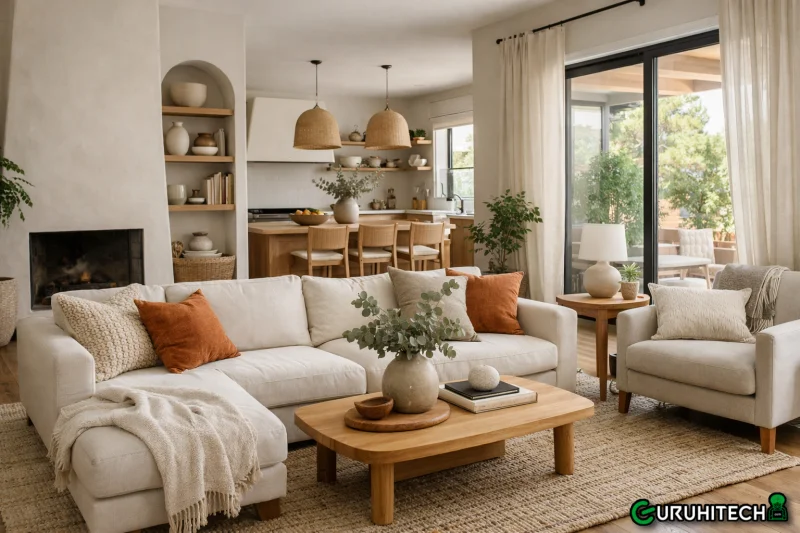
The Difference Between Decoration and True Design
Many people associate a beautiful home with stylish furniture and decorative accents. While these elements contribute to appearance, they do not define how a space truly functions. A well-designed home goes beyond surface-level aesthetics and focuses on how each element works together to support everyday living.
The difference becomes clear when comparing a visually appealing room that feels awkward to use versus one that feels natural and comfortable. True design considers layout, movement, and purpose, ensuring that every part of the home contributes to a seamless experience.
Professional interior designers in Portland help homeowners understand how Interior Design influences not only how a space looks, but how it feels and functions on a daily basis.
Creating Spaces That Support Daily Routines
A home should make everyday tasks easier, not more complicated. Whether it’s preparing meals, relaxing after a long day, or spending time with family, the environment should support these activities naturally.
When rooms are thoughtfully arranged, daily routines flow without interruption. Furniture is placed where it is most useful, pathways remain open, and each area serves a clear purpose. This level of organization reduces friction and allows people to move through their day with ease.
Interior Design plays a key role in shaping these experiences. By aligning layout with lifestyle needs, spaces become more intuitive and practical.
The Importance of Flow and Movement
Flow is one of the most important elements in a well-designed home. It refers to how easily people can move from one area to another without encountering obstacles or confusion.
Poor flow can make even large homes feel cramped. Narrow pathways, misplaced furniture, or inconsistent layouts disrupt movement and create unnecessary tension. On the other hand, clear and open pathways create a sense of freedom and comfort.
Greylyn Wayne often evaluates how movement patterns affect the overall experience of a home. Improving flow ensures that each space connects naturally with the next, creating a cohesive environment.
Balancing Comfort With Functionality
Comfort is not just about soft furniture or cozy textures. It also depends on how well a space supports its intended use. A living room should encourage relaxation, while a workspace should promote focus and productivity.
Achieving this balance requires careful planning. Furniture must be arranged in a way that supports activity without overcrowding the room. Lighting should enhance visibility while maintaining a welcoming atmosphere.
Interior Design brings these elements together, creating spaces that feel both comfortable and functional. This balance allows homeowners to enjoy their environment without compromise.
Using Proportion to Improve Spatial Experience
The size and scale of furniture have a significant impact on how a room feels. Oversized pieces can overwhelm a space, while smaller items may feel disconnected. Finding the right proportion is essential for creating balance.
Properly scaled furniture allows rooms to feel open and organized. It also ensures that movement remains unobstructed and that each piece contributes to the overall layout.
Greylyn Wayne helps homeowners select and arrange furnishings in a way that complements the dimensions of each room. This attention to proportion improves both visual appeal and usability.
The Role of Lighting in Everyday Comfort
Lighting shapes how a space is experienced throughout the day. Natural light creates a sense of openness, while artificial lighting adds depth and functionality during evening hours.
A well-designed lighting plan includes multiple layers. Ambient lighting provides general illumination, task lighting supports specific activities, and accent lighting highlights key features. Together, these elements create a balanced environment.
Interior Design integrates these lighting layers to ensure that spaces remain comfortable and adaptable at all times.
Reducing Visual Noise for a Calmer Environment
Cluttered spaces can feel overwhelming, even if they contain attractive items. Too many objects competing for attention create visual noise, which can make it difficult to relax.
Simplifying the environment helps create a sense of calm. By focusing on essential elements and removing unnecessary distractions, rooms feel more organized and inviting.
Greylyn Wayne often emphasizes the importance of clarity in design. A well-organized space allows homeowners to focus on what matters most without unnecessary distractions.
Designing for Flexibility and Change
Homes are not static environments. Needs change over time, and spaces must adapt accordingly. A room that serves one purpose today may need to function differently in the future.
Flexible design allows for this adaptability. Multi-purpose furniture, open layouts, and thoughtful organization make it easier to adjust spaces without major changes.
Interior Design supports this flexibility by creating layouts that can evolve with the homeowner’s lifestyle. This approach ensures long-term usability and value.
Enhancing Emotional Well-Being Through Design
The way a home is designed has a direct impact on emotional well-being. Spaces that feel balanced and organized can reduce stress and promote relaxation.
Color choices, lighting, and layout all contribute to this effect. Neutral tones create a calming atmosphere, while strategic accents add personality without overwhelming the space.
Greylyn Wayne understands that design is not just about appearance. It is about creating environments that support comfort, stability, and a sense of belonging.
The Long-Term Value of Thoughtful Design
Investing in thoughtful design provides lasting benefits. A well-designed home remains functional and appealing over time, reducing the need for frequent changes or adjustments.
Homes that prioritize layout, flow, and usability tend to feel more enjoyable to live in. They also maintain their value more effectively, as they appeal to a wide range of preferences.
By focusing on Interior Design, homeowners can create spaces that are both practical and visually balanced. This approach ensures that the home continues to support daily life for years to come.
Conclusion
A home should do more than look good—it should work effortlessly for the people who live in it. Thoughtful design ensures that every element contributes to comfort, functionality, and ease of use.
Interior Design provides the framework for achieving this balance. By focusing on layout, flow, and proportion, it transforms spaces into environments that support everyday living.
With guidance from Greylyn Wayne, homeowners can create spaces that feel natural, organized, and enjoyable. A well-designed home not only improves daily routines but also enhances long-term comfort and satisfaction.
Scopri di più da GuruHiTech
Abbonati per ricevere gli ultimi articoli inviati alla tua e-mail.