
Big Mumbai: The Pulse of India’s Financial Capital
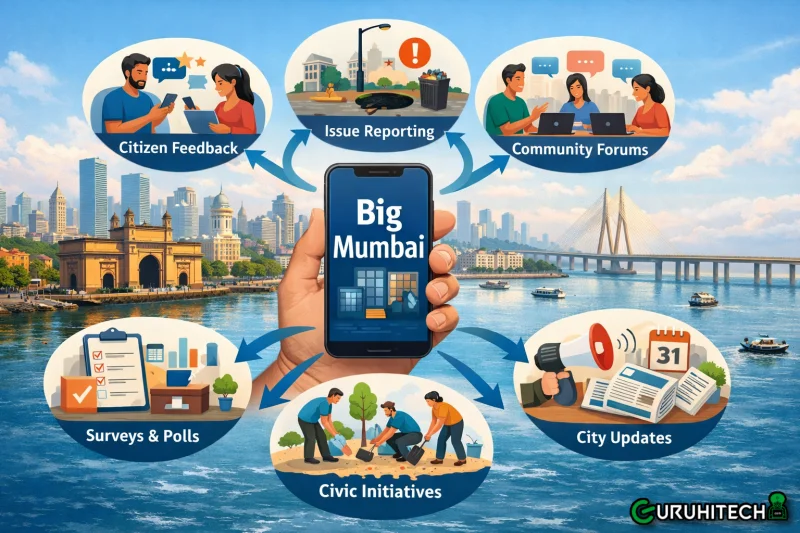
Often called the “City of Dreams,” Big Mumbai represents more than just a metropolitan area—it embodies ambition, resilience, and relentless momentum. Officially known as Mumbai, this vast urban landscape is the financial powerhouse of India and one of the most densely populated cities in the world. Its scale, diversity, and economic influence make it a defining symbol of modern urban India.
Economic Engine of the Nation
Big Mumbai drives a significant portion of India’s GDP. It houses major financial institutions, multinational corporations, and the country’s leading stock exchange. The city is home to the Reserve Bank of India and the Bombay Stock Exchange, which together reinforce its status as India’s financial nerve center. From banking and insurance to technology startups and global trade, Mumbai’s economic ecosystem is vast and interconnected.
The city’s port operations also contribute heavily to international commerce. As a coastal metropolis along the Arabian Sea, it facilitates import and export activities that connect India to markets across Asia, Europe, and the Middle East.
Cultural Capital and Entertainment Hub
Beyond finance, Big Mumbai is globally recognized for its entertainment industry. It is the headquarters of Bollywood, the Hindi-language film industry that produces hundreds of films annually. Bollywood’s influence extends far beyond India, reaching audiences across South Asia, Africa, the Middle East, and even parts of Europe and North America.
The city’s cultural fabric is incredibly diverse. People from every Indian state migrate here in search of education, employment, and opportunity. This diversity is reflected in Mumbai’s food, festivals, languages, and neighborhoods. From traditional Maharashtrian cuisine to global fine dining, the culinary scene mirrors the city’s multicultural identity.
Infrastructure and Urban Expansion
Big Mumbai is constantly evolving. Its suburban railway network—often described as the city’s lifeline—transports millions daily. Infrastructure projects, including metro expansions and coastal road developments, aim to reduce congestion and modernize transportation. The skyline continues to rise with luxury high-rises, commercial towers, and mixed-use developments shaping new business districts.
However, rapid growth also brings challenges. Population density, housing shortages, and traffic congestion remain persistent issues. Informal settlements coexist with luxury apartments, highlighting socioeconomic contrasts that define much of the city’s urban landscape.
Tourism and Iconic Landmarks
Tourism plays a vital role in Big Mumbai’s global image. Landmarks such as the Gateway of India and the historic Chhatrapati Shivaji Maharaj Terminus showcase architectural grandeur and colonial-era heritage. Marine Drive, often called the “Queen’s Necklace,” offers sweeping views of the Arabian Sea and symbolizes Mumbai’s coastal charm.
Visitors experience a city that operates almost 24/7. Markets buzz late into the night, street vendors serve iconic snacks like vada pav, and business districts remain active long after sunset.
The Spirit of Big Mumbai
What truly defines Big Mumbai is its spirit. The city has endured natural disasters, economic shifts, and social transformations, yet it consistently rebounds with determination. For millions, Mumbai is not just a place—it is an opportunity. It represents aspiration, hard work, and the belief that success is possible regardless of one’s background.
In essence, Big Mumbai is a city of scale and substance. It stands as a dynamic blend of tradition and modernity, chaos and opportunity, struggle and success—making it one of the most compelling urban centers in the world.
Scopri di più da GuruHiTech
Abbonati per ricevere gli ultimi articoli inviati alla tua e-mail.