
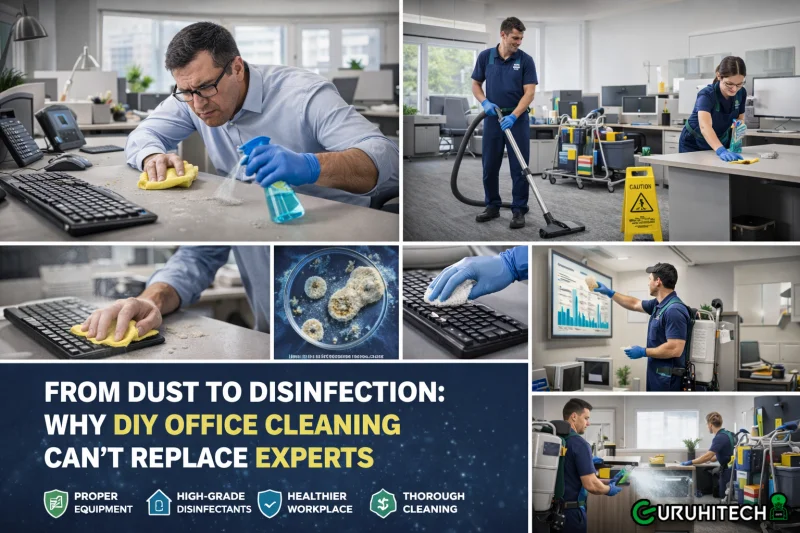
From Dust to Disinfection: Why DIY Office Cleaning Can’t Replace Experts
Introduction to Office Cleaning
Office cleaning is a critical component of creating a safe, productive, and professional work environment. In today’s business landscape, maintaining clean and hygienic workplaces is no longer optional; it directly impacts employee health, morale, and overall operational efficiency. A clean office not only reduces the risk of illness but also enhances the company’s image, creating a positive impression for clients, visitors, and employees alike. Proper office cleaning goes beyond vacuuming carpets or emptying trash cans; it involves a structured approach to sanitization, dust control, and maintenance of high-traffic areas to ensure a consistently healthy workspace.
A well-maintained office promotes productivity by creating an environment where employees can focus on their work without distractions caused by clutter or unclean conditions. It also reduces maintenance costs by extending the life of office furniture, flooring, and equipment, preventing premature wear caused by dirt, dust, or spills. Whether handled by in-house staff or professional cleaning services, office cleaning requires careful planning, consistent execution, and attention to detail to maximize its benefits for both employees and the business.
The Importance of Office Cleaning
Maintaining a clean office environment has far-reaching implications for both health and business operations. From a health perspective, regular cleaning reduces the accumulation of dust, allergens, and pathogens, lowering the risk of respiratory issues and contagious illnesses. High-touch areas, such as doorknobs, keyboards, telephones, and elevator buttons, can harbor bacteria and viruses, making regular sanitization essential to prevent workplace outbreaks. This is particularly important in shared spaces, including break rooms, conference rooms, and restrooms, where germs can spread quickly if not managed properly.
From a business perspective, the state of an office reflects on the organization’s professionalism and brand image. Visitors and clients often form judgments based on cleanliness and organization. A clean office conveys a sense of reliability, efficiency, and attention to detail, contributing to stronger client relationships and a positive company reputation. Moreover, clean workspaces can enhance employee morale, reducing stress and increasing engagement, ultimately leading to higher productivity.
Key Components of Office Cleaning
Office cleaning involves multiple components, each contributing to the overall hygiene and functionality of the workspace.
1. Surface Cleaning and Dusting
Dust and dirt accumulate on desks, shelves, and equipment, impacting air quality and creating an unprofessional appearance. Regular dusting, wiping down surfaces, and using anti-static treatments for electronics help maintain cleanliness and prevent buildup.
2. Floor Care
Floors are among the most heavily trafficked areas and require regular attention. Carpets need vacuuming and periodic deep cleaning to remove embedded dirt, while hard flooring such as tile or wood should be swept, mopped, and polished to maintain a safe and appealing environment.
3. Trash and Waste Management
Proper disposal of waste is essential to maintain hygiene. Trash cans should be emptied daily, recycling programs managed efficiently, and hazardous or sensitive materials handled according to safety standards.
4. Restroom Cleaning
Restrooms require special attention due to their high usage and potential to harbor bacteria. Cleaning should include sanitizing toilets, sinks, mirrors, and floors, restocking supplies, and ensuring proper ventilation.
5. Kitchen and Break Area Maintenance
Office kitchens and break rooms can be hotspots for germs. Cleaning these areas includes wiping counters, sanitizing appliances, cleaning sinks, and ensuring proper disposal of food waste to prevent odors and bacterial growth.
6. High-Touch Area Sanitization
Door handles, light switches, elevator buttons, and other frequently touched surfaces should be disinfected regularly to reduce the risk of spreading illnesses.
7. Windows and Glass Surfaces
Clean windows, glass partitions, and mirrors contribute to a professional office appearance while allowing natural light to enhance workspace ambiance.
Benefits of Professional Office Cleaning
While some businesses rely on in-house staff for cleaning, professional office cleaning services offer several advantages.
Expertise and Training
Professional cleaners are trained in proper cleaning techniques, chemical use, and safety protocols. They understand how to handle different surfaces and materials to avoid damage while achieving optimal hygiene.
Consistency and Reliability
Hiring professionals ensures that cleaning is performed consistently according to schedule. Routine maintenance prevents dirt accumulation and reduces the likelihood of large-scale cleaning issues.
Time and Resource Efficiency
Outsourcing office cleaning allows employees to focus on their primary responsibilities rather than spending time on cleaning tasks. Professional services also provide the necessary equipment and supplies, saving businesses the cost of purchasing and maintaining these items.
Health and Safety Compliance
Professional cleaning teams are knowledgeable about workplace safety standards and infection control, ensuring that offices meet health regulations and minimize employee exposure to harmful pathogens.
Cost-Effectiveness
Although hiring a service may appear costly, professional cleaning reduces maintenance expenses, prevents damage to office furniture and equipment, and minimizes employee absenteeism due to illness.
Office Cleaning Schedule and Frequency
An effective office cleaning plan involves scheduling based on office size, usage, and specific needs. High-traffic areas like lobbies, restrooms, and conference rooms may require daily cleaning, while other spaces such as individual offices or storage areas can be cleaned less frequently. Deep cleaning tasks, such as carpet shampooing, floor polishing, and window washing, are typically scheduled weekly, monthly, or seasonally depending on the office environment.
A structured schedule ensures that all areas are maintained consistently, preventing overlooked spaces and promoting overall workplace hygiene. Flexibility in scheduling allows adjustments based on business hours, special events, or seasonal requirements. For example, flu season may warrant more frequent disinfection of high-touch surfaces.
Challenges in Office Cleaning
Maintaining cleanliness in an office environment can present several challenges. Open office layouts, shared workspaces, and high employee turnover can increase the spread of dust and germs. Uncooperative weather conditions, such as rain or snow, can track dirt indoors, increasing the cleaning workload. In addition, improper use of cleaning chemicals or equipment may damage sensitive electronics, furniture, or flooring.
To address these challenges, businesses should implement a cleaning protocol that includes staff training, clear communication with cleaning providers, and periodic inspections to ensure quality standards are met. Modern cleaning technologies, including microfiber cloths, HEPA filter vacuums, and eco-friendly cleaning products, can also help overcome these challenges efficiently.
Green Cleaning Practices in Offices
Sustainable cleaning practices have become an important consideration for modern businesses. Green office cleaning involves using eco-friendly products, energy-efficient equipment, and practices that minimize environmental impact while maintaining high hygiene standards. This includes biodegradable cleaning solutions, reusable microfiber cloths, and low-water cleaning methods.
Implementing green cleaning practices not only supports environmental responsibility but also improves indoor air quality, reducing allergens and chemical exposure for employees. Many companies now highlight sustainable cleaning as part of their corporate social responsibility initiatives, demonstrating a commitment to both employee well-being and environmental stewardship.
Technology in Modern Office Cleaning
Technological advancements have transformed office cleaning, making it more efficient and precise. Automated vacuums, robotic floor scrubbers, and sensor-controlled cleaning equipment allow for consistent maintenance with minimal human effort. Digital scheduling and monitoring systems track cleaning performance, ensuring that tasks are completed according to plan.
Some advanced systems even integrate with building management software to optimize cleaning routines based on occupancy, usage patterns, and environmental conditions. Technology not only improves efficiency but also provides transparency and accountability, allowing managers to track service quality and adjust schedules as needed.
Conclusion
Office cleaning is an essential element of workplace management that extends beyond aesthetics. A clean office improves employee health, boosts productivity, enhances client perception, and reduces maintenance costs. By incorporating regular surface cleaning, floor care, restroom and kitchen maintenance, high-touch sanitization, and professional services, businesses can maintain a safe and inviting environment.
Modern office cleaning practices, including green cleaning and technology integration, allow organizations to maximize efficiency while minimizing environmental impact. Establishing a structured cleaning schedule, addressing challenges proactively, and investing in professional services ensures a consistently healthy, well-maintained workspace. Ultimately, effective office cleaning is a strategic investment that contributes to employee well-being, business reputation, and long-term operational success.
Scopri di più da GuruHiTech
Abbonati per ricevere gli ultimi articoli inviati alla tua e-mail.