
Yard Waste Removal: Efficient Solutions for a Cleaner, Healthier Outdoor Space
Introduction
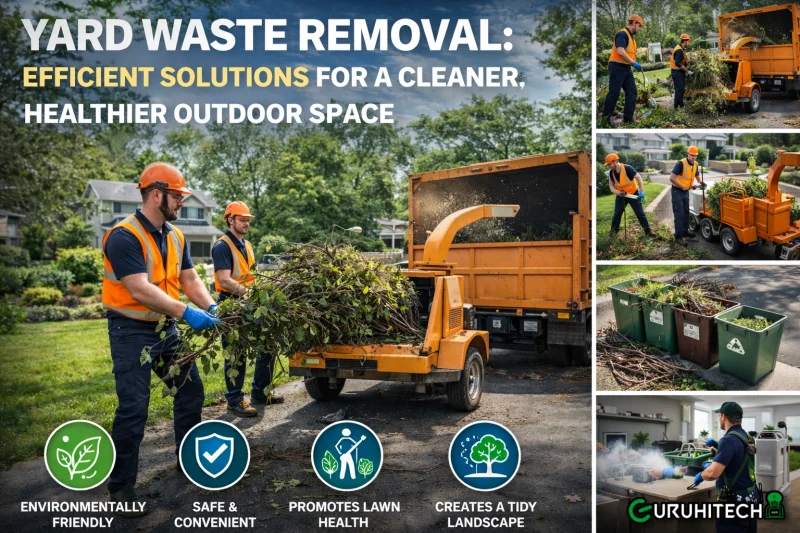
Maintaining a clean and organized yard is essential for the beauty, safety, and health of any outdoor space. Yard waste, including leaves, branches, grass clippings, and garden debris, can accumulate quickly and create problems if not properly managed. Yard waste removal is the process of collecting, transporting, and disposing of organic debris to maintain a safe and attractive environment. By effectively managing yard waste, homeowners, landscapers, and property managers can prevent pests, reduce fire hazards, and promote a sustainable approach to garden maintenance.
Understanding Yard Waste
Yard waste refers to organic materials generated from gardening, landscaping, and general yard maintenance. Common types of yard waste include leaves, grass clippings, small branches, shrubs, plants, weeds, and other biodegradable materials. While yard waste is natural, if left unmanaged it can cause blockages in drainage systems, attract insects and rodents, and create unsightly piles that detract from the appearance of a property. Proper yard waste removal ensures that organic debris is handled responsibly and efficiently.
Why Yard Waste Removal Is Important
Yard waste removal offers multiple benefits, both practical and environmental. Accumulated debris can create breeding grounds for insects, such as mosquitoes, which carry diseases, and rodents, which may damage property. Overgrown plant material can also increase the risk of fires, particularly during dry seasons, and create obstacles for foot traffic or lawn equipment. From an aesthetic perspective, removing yard waste keeps gardens and landscapes neat, promoting a more inviting outdoor environment.
Environmentally, yard waste removal encourages sustainable practices. Organic materials can be composted or mulched, reducing the amount of waste sent to landfills and enriching soil fertility for future planting. By separating yard waste from regular trash, homeowners contribute to environmentally responsible waste management while maintaining the health and vibrancy of their landscape.
Methods of Yard Waste Removal
There are several approaches to yard waste removal, depending on the size of the property, type of debris, and available resources.
DIY Yard Waste Removal
Many homeowners prefer to handle yard waste themselves, using tools such as rakes, leaf blowers, wheelbarrows, and garden bags. Grass clippings and leaves can be collected in biodegradable bags or bins, while branches and shrubs may require cutting into smaller, manageable pieces. Homeowners who choose the DIY route often combine yard waste with composting efforts to recycle organic material into nutrient-rich soil.
Professional Yard Waste Removal Services
For larger properties or extensive debris accumulation, professional yard waste removal services are an efficient option. These services provide trained personnel, specialized equipment, and transportation to safely collect and dispose of yard waste. Professional companies often offer scheduled pickups, emergency cleanup, and bulk removal services, ensuring that even large-scale yard maintenance is handled efficiently.
Municipal Yard Waste Programs
Many municipalities provide curbside yard waste pickup or designated drop-off centers. Residents can bag leaves, grass clippings, and other biodegradable materials for collection on specific days, allowing for convenient disposal. Local programs may also include composting initiatives, turning collected yard waste into fertilizer or mulch for community gardens and parks.
Tools and Equipment for Yard Waste Removal
Effective yard waste removal requires appropriate tools and equipment. Basic tools include rakes, shovels, brooms, pruners, and wheelbarrows. For larger projects, homeowners and professionals may use leaf blowers, lawn mowers with bagging attachments, wood chippers, and garden tractors. For transportation and disposal, yard waste bins, compost bags, and dump trucks are essential. Choosing the right equipment ensures safety, efficiency, and proper handling of debris.
Yard Waste Disposal Options
Proper disposal of yard waste is critical to prevent environmental harm and maintain community standards. Common disposal options include:
- Composting: Organic yard waste such as leaves, grass, and vegetable scraps can be composted to create nutrient-rich soil for gardens and landscaping. Composting reduces landfill waste and supports sustainable gardening practices.
- Mulching: Branches, twigs, and wood chips can be shredded into mulch, which helps retain soil moisture, prevent erosion, and enrich garden beds.
- Municipal Collection: Many local governments collect yard waste for recycling or composting. Residents should follow local guidelines for bagging and scheduling pickup to ensure compliance.
- Landfill Disposal: In cases where composting or municipal collection is not available, yard waste can be disposed of at designated landfill sites. While less environmentally friendly, this ensures debris is safely removed from the property.
Seasonal Considerations
Yard waste removal varies throughout the year, with certain seasons generating more debris than others. Fall typically produces large amounts of leaves, acorns, and fallen branches, while spring may result in heavy garden debris from pruning, planting, and weed control. Summer often generates grass clippings and trimmings, whereas winter may require removal of storm-damaged branches or debris after snow and ice events. Planning yard waste removal around seasonal needs ensures a clean and safe property year-round.
Safety Tips for Yard Waste Removal
Handling yard waste requires attention to safety. Protective gear such as gloves, goggles, and sturdy footwear should be worn when collecting and moving debris. Tools should be used according to manufacturer instructions, and heavy lifting should be performed with proper technique to avoid injury. When using power equipment like leaf blowers or wood chippers, it is essential to follow safety guidelines, maintain equipment, and supervise children or pets to prevent accidents. Additionally, care should be taken to avoid overloading bags or vehicles, which could result in spills or damage.
Environmental Benefits of Proper Yard Waste Management
Proper yard waste removal contributes significantly to environmental sustainability. By separating organic material from general waste, more debris can be composted or recycled into mulch, reducing landfill usage. Composting yard waste enriches soil with essential nutrients, promotes water retention, and supports healthy plant growth. Mulching also prevents erosion, conserves moisture, and minimizes the need for chemical fertilizers. By adopting responsible yard waste management practices, homeowners can enhance the health of their gardens while reducing their ecological footprint.
Hiring a Yard Waste Removal Service
Engaging a professional yard waste removal service can save time, reduce labor, and ensure compliance with local regulations. When selecting a service, consider factors such as experience, equipment, disposal methods, and customer reviews. Many services offer flexible scheduling, bulk removal, and eco-friendly disposal options, making it convenient for homeowners to maintain a clean and healthy yard. Professionals can also assist with large projects, storm cleanup, and ongoing maintenance, ensuring that yard waste is managed efficiently and safely.
Cost Considerations
The cost of yard waste removal varies based on the volume of debris, the type of service, and the disposal method. DIY removal is often more affordable but requires significant time and effort, while professional services provide convenience and efficiency at a higher cost. Municipal programs may offer free or low-cost options for residents, making it a viable alternative for smaller amounts of debris. Budgeting for yard waste removal, whether DIY or professional, is essential to maintain a consistent and sustainable approach to yard care.
Conclusion
Yard waste removal is a vital aspect of property maintenance, contributing to safety, cleanliness, and environmental sustainability. By managing leaves, grass clippings, branches, and other organic debris, homeowners can reduce fire hazards, prevent pest infestations, and maintain the aesthetic appeal of their outdoor space. Whether through DIY efforts, municipal programs, or professional services, proper yard waste removal ensures that gardens and landscapes remain healthy and attractive. Implementing safe, efficient, and environmentally responsible yard waste practices not only enhances the immediate property but also supports long-term sustainability and the well-being of the community.
Scopri di più da GuruHiTech
Abbonati per ricevere gli ultimi articoli inviati alla tua e-mail.