
How a Clean Home Supports Healthier Indoor Living
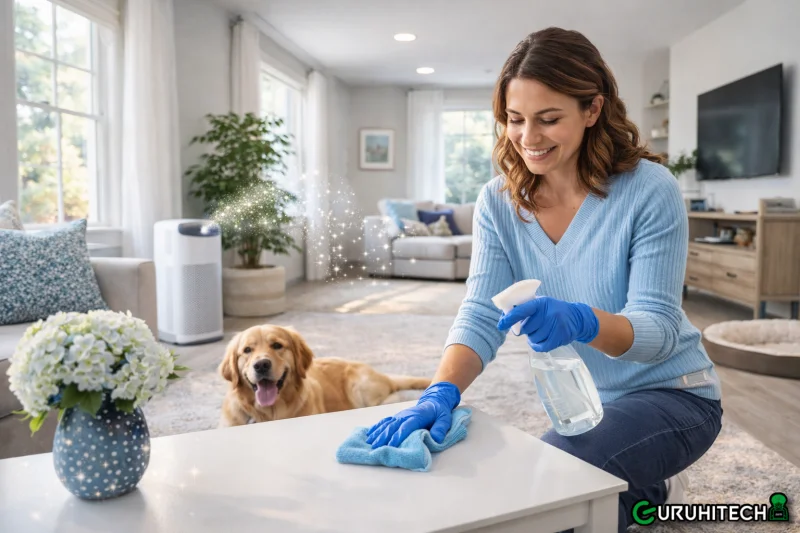
A home is more than a place to rest. It is where people breathe, eat, relax, and recover from daily demands. When indoor environments are neglected, comfort slowly declines in ways that are not always obvious. Dust, residue, and buildup affect how a space feels long before visible mess appears, shaping everyday well-being.
Many homeowners focus on cleanliness for appearance, but indoor conditions directly influence physical comfort and mental clarity. Air quality, surface hygiene, and overall order work together to support healthier routines. Small environmental stressors accumulate quietly when upkeep is inconsistent.
Working with providers such as Top Tier Home Cleaning helps establish consistency that supports healthier indoor living. With structured routines in place, homes remain more comfortable, balanced, and supportive of daily life.
Understanding how indoor environments affect health
Indoor spaces trap particles that do not easily escape. Dust, allergens, and residue settle on surfaces and circulate through daily movement. Over time, this buildup affects breathing comfort and general wellness.
Unlike outdoor environments, indoor air is often recirculated. Without regular surface care, contaminants remain present longer and increase exposure. This can contribute to irritation, fatigue, and discomfort.
Maintaining cleaner indoor conditions reduces these effects and helps create a more supportive living environment.
The relationship between cleanliness and air quality
Air quality is closely linked to surface conditions. When dust and debris accumulate, they become airborne through walking, airflow, and routine activity.
Regular surface care reduces what enters the air. Cleaner floors, furniture, and fixtures limit the spread of particles that affect breathing.
Improved air quality supports easier breathing, better sleep, and more consistent energy throughout the day.
Reducing allergens through routine care
Allergens such as dust mites, pet dander, and pollen collect easily indoors. These particles often settle into soft furnishings and corners that are overlooked.
Routine attention removes allergens before they accumulate to problematic levels. This is especially helpful for individuals with sensitivities or seasonal allergies.
Lower allergen levels contribute to a calmer, more comfortable home environment.
Supporting respiratory comfort year round
Respiratory comfort depends on minimizing airborne irritants. Even mild exposure over time can affect how people feel in their own homes.
Cleaner environments reduce coughing, congestion, and irritation caused by lingering particles. This improvement is gradual but noticeable with consistent care.
Comfortable breathing supports overall health and daily productivity.
Protecting frequently used surfaces
Surfaces that are touched daily collect oils, residue, and bacteria. Kitchens, bathrooms, and living areas are especially vulnerable.
Without regular care, these surfaces contribute to the spread of germs and reduce hygiene standards. Buildup also shortens the lifespan of materials.
Consistent upkeep keeps surfaces functional, sanitary, and easier to maintain long term.
Supporting healthier routines and habits
Clean environments encourage healthier behavior. When kitchens are clean, food preparation feels safer. When bathrooms are maintained, hygiene routines feel more inviting.
These habits reinforce physical well-being. Clean spaces reduce friction in daily routines and make healthy choices easier to maintain.
A supportive environment strengthens positive habits over time.
Minimizing stress through visual order
Clutter and grime create low-level stress, even when unnoticed. Visual disorder competes for attention and increases mental fatigue.
Clean, orderly spaces reduce this burden. Rooms feel calmer and more manageable, supporting relaxation and focus.
Lower stress contributes to better sleep and improved emotional balance.
Preventing mold and moisture related issues
Moisture combined with residue creates conditions for mold growth. Bathrooms, kitchens, and laundry areas are common risk zones.
Routine care removes organic material that mold feeds on. Managing these areas proactively supports both health and structural protection.
Reducing mold risk improves air quality and long-term comfort.
Improving sleep quality through cleaner spaces
Bedrooms benefit greatly from consistent care. Dusty environments often disrupt sleep through congestion or irritation.
Cleaner sleeping areas support deeper, more restful sleep. Breathing becomes easier, and nighttime discomfort is reduced.
Quality sleep strengthens immune function and daily performance.
Creating a safer environment for children
Children are more sensitive to indoor conditions. Their developing respiratory systems benefit from cleaner air and surfaces.
Maintaining consistent cleanliness reduces exposure to irritants and germs. This supports healthier growth and fewer disruptions due to illness.
Clean homes provide a safer foundation for family life.
Supporting long-term wellness at home
Wellness is influenced by daily exposure. Clean environments reduce cumulative stress on the body over time.
Consistent care supports balance rather than reactive fixes. Small efforts add up to meaningful health benefits.
Long-term comfort depends on maintaining stable indoor conditions.
The role of House Cleaning Services in indoor health
House Cleaning Services provide structure that casual efforts often miss. Systematic routines ensure that no area is overlooked and that care remains consistent.
This approach supports indoor health by reducing buildup before it becomes noticeable. Results feel steady rather than temporary.
Structured care transforms cleanliness into a health-supporting system.
Encouraging consistency during busy schedules
Busy households often struggle with consistency. Irregular routines allow buildup to return quickly.
A professional cleaning company in El Paso, TX helps maintain balance even when schedules are full. Homes remain comfortable without constant effort.
Consistency protects health without adding stress.
Strengthening confidence in the living space
Confidence grows when a home feels reliable. Occupants trust their environment to support comfort and cleanliness.
This trust reduces worry and allows people to focus on daily life. Cleanliness becomes expected rather than a concern.
Confidence enhances overall satisfaction at home.
Adapting care as needs change
Homes evolve as lifestyles change. Effective routines adapt while maintaining consistency.
This flexibility ensures ongoing comfort regardless of shifting demands.
Adaptable care supports long-term success.
Integrating cleanliness into daily wellness
Cleanliness works best when integrated into daily wellness rather than treated as an occasional task.
Consistent routines support physical, mental, and emotional health together.
This integration creates lasting benefit.
Conclusion
A clean home supports healthier indoor living by improving air quality, reducing allergens, and creating a more comfortable environment. Consistent routines protect surfaces, encourage positive habits, and reduce stress over time. House Cleaning Services play a key role in maintaining this consistency and supporting daily wellness. With thoughtful structure and dependable care, Top Tier Home Cleaning helps create living spaces that feel healthier, calmer, and easier to enjoy every day.
Scopri di più da GuruHiTech
Abbonati per ricevere gli ultimi articoli inviati alla tua e-mail.