
How Truck Parking Shortages Affect Drivers and How to Plan Ahead
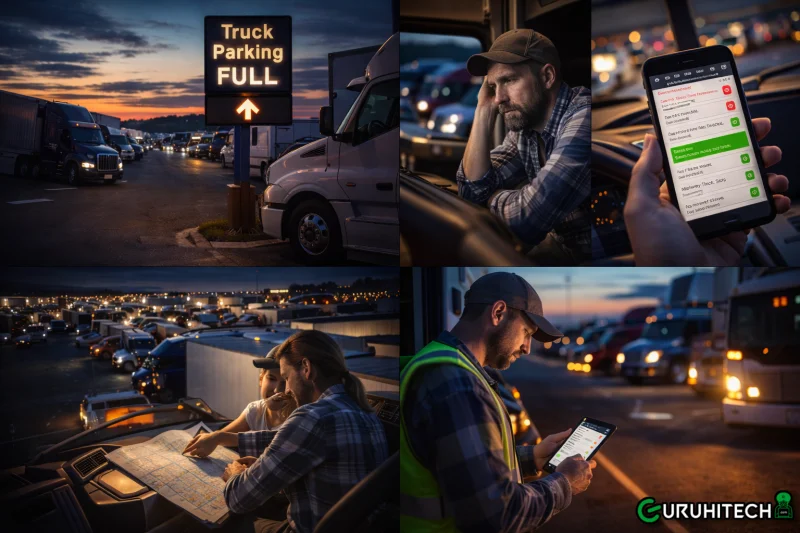
Understanding the Importance of Truck Parking
Efficient transportation systems rely heavily on the trucking industry, which plays a vital role in moving goods across regions and supporting economic growth. However, one of the most persistent challenges faced by drivers and logistics companies alike is access to safe, reliable, and well-organized parking facilities. Truck parking is not merely a convenience for drivers; it is a critical component of road safety, regulatory compliance, operational efficiency, and driver well-being. Without proper planning and infrastructure, inadequate parking options can lead to unsafe roadside stops, congestion, driver fatigue, and increased accident risks.
As freight demand continues to grow, the pressure on existing parking infrastructure has intensified. Drivers often struggle to find suitable locations to rest, refuel, or wait between deliveries. This challenge affects scheduling, compliance with driving-hour regulations, and overall job satisfaction. Addressing the complexities of parking availability and management is essential for creating a safer and more efficient transportation environment for everyone who shares the road.
The Role of Truck Parking in Road Safety and Compliance
One of the most critical reasons truck parking matters is its direct impact on road safety. Drivers are required to comply with strict regulations regarding driving hours and mandatory rest periods. When adequate parking is unavailable, drivers may feel pressured to continue driving beyond legal limits or stop in unsafe locations such as highway shoulders, ramps, or vacant lots. These situations increase the likelihood of collisions, injuries, and property damage.
Properly designed and accessible parking facilities allow drivers to rest safely, reducing fatigue-related accidents. Well-lit areas, clear signage, and designated spaces improve visibility and organization, minimizing the risk of vehicle damage or pedestrian incidents. In addition, compliance with safety regulations becomes more achievable when drivers have reliable access to suitable parking options. By supporting legal and safe stopping practices, truck parking infrastructure plays a crucial role in protecting drivers and the public.
Common Challenges Faced by Truck Drivers
Truck drivers encounter numerous obstacles when searching for parking, particularly during peak travel hours or in high-traffic corridors. Limited availability is one of the most common issues, with demand often exceeding supply. As a result, drivers may spend excessive time searching for a space, increasing stress levels and reducing productive driving hours.
Another challenge involves the condition and design of parking facilities. Poorly maintained lots, inadequate lighting, unclear markings, and insufficient space for maneuvering large vehicles can create safety hazards. Security concerns also play a role, as drivers may worry about theft, vandalism, or personal safety when parking in unfamiliar or isolated areas. These challenges highlight the need for thoughtful planning, investment, and management of parking infrastructure to support the trucking workforce effectively.
Planning and Design Considerations for Truck Parking Facilities
Effective planning is essential for developing parking facilities that meet the needs of drivers and logistics operations. Location is a primary consideration, as facilities should be strategically positioned near major transportation routes, distribution centers, and rest areas. Accessibility from highways and arterial roads reduces congestion and improves efficiency.
Design elements must account for the size and maneuverability of trucks, including adequate turning radii, lane widths, and space between parking spots. Clear signage and pavement markings help drivers navigate facilities safely and efficiently. Lighting is another critical factor, enhancing visibility and security during nighttime hours. Incorporating amenities such as restrooms, showers, and food options further improves driver comfort and satisfaction. Well-planned facilities not only enhance usability but also contribute to safer and more organized transportation networks.
Economic and Operational Impacts
The availability of reliable truck parking has significant economic implications. Delays caused by searching for parking can disrupt delivery schedules, increase fuel consumption, and reduce overall productivity. For logistics companies, these inefficiencies translate into higher operating costs and reduced profitability.
Conversely, well-managed parking facilities support smoother operations by allowing drivers to adhere to schedules and regulations more effectively. Reduced downtime and improved route planning contribute to better asset utilization and customer satisfaction. From a broader perspective, efficient parking infrastructure supports supply chain reliability, benefiting businesses and consumers alike. Investment in parking solutions is therefore not just a matter of convenience but a strategic economic decision.
Environmental Considerations
Environmental impact is an increasingly important factor in transportation planning. Poor parking availability can lead to increased idling as drivers wait for spaces or circle areas searching for options. This behavior contributes to higher fuel consumption and emissions, negatively affecting air quality.
Well-designed parking facilities can help mitigate these impacts by reducing unnecessary driving and idling. Incorporating environmentally friendly features such as permeable pavement, energy-efficient lighting, and designated idle-reduction zones supports sustainability goals. Strategic planning that aligns parking infrastructure with environmental considerations benefits both the transportation industry and surrounding communities.
Technology and Innovation in Truck Parking
Advancements in technology are transforming how parking challenges are addressed. Digital platforms and mobile applications now provide real-time information on parking availability, allowing drivers to plan stops more efficiently. These tools reduce uncertainty and help drivers make informed decisions about where and when to park.
Smart infrastructure, including sensors and automated entry systems, enhances facility management and utilization. Data collected from these technologies can inform future planning, identifying high-demand areas and optimizing capacity. As technology continues to evolve, innovative solutions will play an increasingly important role in improving access, safety, and efficiency within parking networks.
Security and Driver Well-Being
Security is a major concern for drivers when selecting parking locations. Facilities that lack proper lighting, surveillance, or access control can expose drivers to theft and personal safety risks. Addressing these concerns requires thoughtful design and ongoing management.
Secure fencing, controlled entry points, and monitoring systems contribute to a safer environment. Providing amenities that support driver well-being, such as clean restrooms, showers, and comfortable rest areas, further enhances the value of parking facilities. When drivers feel safe and supported, they are better able to rest, recover, and perform their duties effectively.
Regulatory and Policy Considerations
Government policies and regulations play a significant role in shaping truck parking infrastructure. Zoning laws, land-use regulations, and funding priorities influence where and how facilities can be developed. Collaboration between public agencies, private operators, and industry stakeholders is essential for addressing gaps in availability and quality.
Public-private partnerships have emerged as an effective approach to expanding parking capacity while sharing costs and expertise. Incentives for developing facilities in high-demand areas can encourage investment and innovation. By aligning policy frameworks with industry needs, stakeholders can create solutions that benefit drivers, businesses, and communities.
Future Trends and Opportunities
As freight volumes continue to grow, the demand for effective truck parking solutions is expected to increase. Future trends may include greater integration of technology, expanded use of renewable energy, and more emphasis on sustainability and driver comfort. Autonomous and electric trucks may also influence parking design, requiring charging infrastructure and new operational considerations.
Opportunities exist to reimagine parking facilities as multifunctional hubs that support logistics operations, driver services, and environmental goals. By adopting a forward-looking approach, stakeholders can address current challenges while preparing for future demands.
Conclusion
Truck parking is a foundational element of safe, efficient, and sustainable transportation systems. From supporting regulatory compliance and driver well-being to improving operational efficiency and environmental outcomes, effective parking solutions deliver wide-ranging benefits. Addressing challenges related to availability, design, security, and technology requires collaboration, investment, and strategic planning. By prioritizing thoughtful development and management of parking infrastructure, the transportation industry can enhance safety, support drivers, and strengthen supply chains for the future.
Scopri di più da GuruHiTech
Abbonati per ricevere gli ultimi articoli inviati alla tua e-mail.