
Lawn Mowing: The Foundation of a Healthy, Attractive, and Well-Maintained Landscape
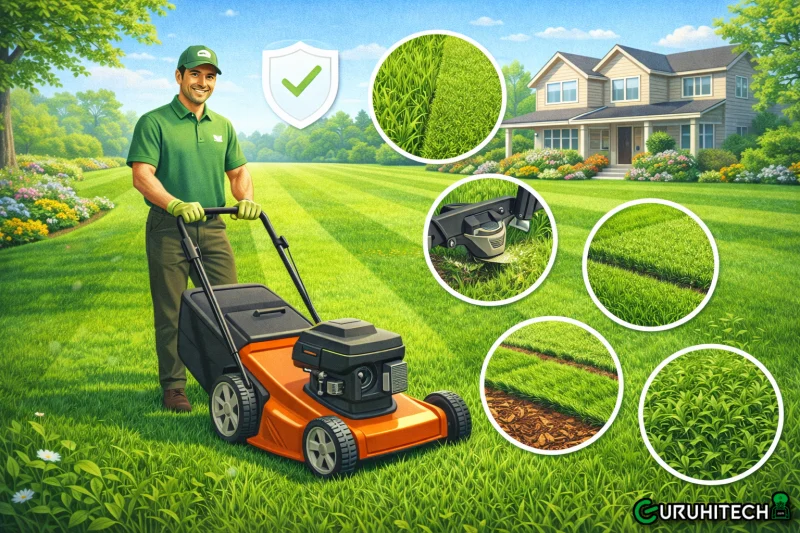
A well-kept lawn does more than enhance visual appeal; it reflects care, organization, and pride in a property. Among all lawn care practices, mowing plays the most consistent and influential role in shaping the health and appearance of grass. Proper Lawn Mowing is not simply about cutting grass short it involves timing, technique, equipment, and an understanding of how grass grows and responds to stress. When done correctly, mowing strengthens turf, prevents weeds, and promotes long-term lawn vitality. This in-depth guide explores the principles, benefits, methods, and best practices of lawn mowing to help property owners achieve lasting results.
Understanding the Role of Mowing in Lawn Health
Grass is a living plant system that responds directly to how it is cut. Mowing influences root development, density, moisture retention, and resistance to pests and disease. When grass is cut at the correct height and frequency, it grows thicker and stronger, creating a natural barrier against weeds and soil erosion.
Improper mowing, on the other hand, weakens grass by removing too much leaf surface at once. This reduces the plant’s ability to photosynthesize, forcing it to divert energy from root growth to leaf recovery. Over time, this stress can thin the lawn, invite weed growth, and increase susceptibility to disease.
Understanding mowing as a health practice rather than a cosmetic task is the first step toward a stronger, greener lawn.
How Grass Type Influences Mowing Practices
Different grass types have different growth habits and mowing requirements. Some grasses thrive when kept slightly taller, while others perform best at lower heights. Cool-season grasses typically grow most actively during moderate temperatures, while warm-season grasses flourish during hotter periods.
Cutting grass too short for its type can expose soil, dry out roots, and reduce resilience. Allowing grass to grow too tall before mowing can also cause stress when large portions are removed at once. Matching mowing height and frequency to grass type helps maintain balance and encourages even growth throughout the lawn.
While grass variety matters, consistent technique is equally important regardless of lawn type.
The Importance of Proper Mowing Height
Mowing height has a direct impact on lawn health. Taller grass blades shade the soil, reducing moisture loss and inhibiting weed seed germination. They also develop deeper root systems, which improves drought tolerance and nutrient uptake.
A common rule of thumb is never to remove more than one-third of the grass blade length in a single mowing. This prevents shock and allows the lawn to recover quickly. Adjusting mower height seasonally can also improve results, as grass often benefits from slightly higher cuts during hotter or drier conditions.
Maintaining the right height consistently is one of the most effective ways to improve lawn appearance and durability.
Mowing Frequency and Seasonal Considerations
How often a lawn should be mowed depends on growth rate, which is influenced by weather, watering, and fertilization. During peak growth periods, mowing may be needed more frequently to avoid excessive cutting. Slower growth periods require less frequent mowing but still benefit from regular maintenance.
Seasonal adjustments are essential. In active growth seasons, maintaining a steady schedule prevents stress and uneven appearance. During slower growth, allowing grass slightly more length can help protect it from environmental stressors.
Consistent scheduling ensures grass remains healthy and avoids the negative effects of irregular or delayed mowing.
Equipment Selection and Maintenance
The quality of mowing equipment plays a significant role in results. Sharp mower blades create clean cuts that heal quickly, while dull blades tear grass, leaving ragged edges that increase water loss and disease risk.
Choosing the right mower type depends on lawn size, terrain, and personal preference. Regardless of the mower used, regular maintenance is essential. Blade sharpening, proper height adjustment, and routine inspection all contribute to better performance and healthier grass.
Well-maintained equipment improves efficiency, reduces physical effort, and produces a cleaner, more professional-looking lawn.
Mowing Patterns and Lawn Appearance
Mowing patterns influence both appearance and grass growth. Repeatedly mowing in the same direction can cause grass to lean and compact soil, leading to uneven growth. Alternating patterns helps grass stand upright and reduces wear in high-traffic areas.
Patterns can also enhance visual appeal. Straight lines, diagonal cuts, or gentle curves create a manicured look and highlight lawn uniformity. While appearance is secondary to health, varied mowing patterns support both.
Simple changes in direction can make a noticeable difference over time.
Grass Clippings and Their Benefits
Grass clippings are often seen as waste, but they provide valuable benefits when managed correctly. Leaving clippings on the lawn returns nutrients to the soil, reduces the need for fertilizer, and improves moisture retention.
Clippings should be short enough to fall between grass blades without smothering the lawn. Excessively long clippings can be dispersed evenly or removed if necessary, but frequent mowing usually prevents buildup.
Recycling clippings supports sustainability and contributes to long-term soil health.
Common Mowing Mistakes to Avoid
Many lawn problems stem from simple mowing mistakes. Cutting grass too short, mowing with dull blades, or mowing wet grass can all damage turf. Wet mowing increases the risk of uneven cuts, soil compaction, and disease spread.
Another common mistake is inconsistent mowing schedules, which force grass to recover repeatedly from stress. Ignoring mower maintenance also leads to poor results and unnecessary strain on equipment.
Avoiding these errors helps maintain lawn health and reduces the need for corrective treatments later.
Lawn Mowing and Weed Prevention
A dense, well-mowed lawn is one of the best natural defenses against weeds. Proper mowing height shades soil and limits space for weed seeds to germinate. Consistent mowing also prevents weeds from reaching maturity and spreading seeds.
While mowing alone will not eliminate all weeds, it significantly reduces their ability to establish and spread. Combined with proper watering and fertilization, mowing creates conditions that favor grass over invasive plants.
Healthy turf is the foundation of effective weed management.
Environmental Benefits of Proper Mowing Practices
Thoughtful mowing practices support environmental health as well. Reducing unnecessary mowing, maintaining equipment efficiency, and recycling clippings all contribute to lower fuel use and reduced waste.
Allowing grass to grow slightly taller improves drought resistance, reducing water demand. Healthy lawns also help filter runoff, reduce erosion, and improve air quality.
Responsible Lawn Mowing practices benefit both the property and the surrounding environment.
Professional Lawn Mowing vs. DIY Approaches
Some property owners choose to mow their own lawns, while others rely on professional services. DIY mowing offers flexibility and control but requires time, equipment, and consistency. Professional services provide expertise, reliable scheduling, and access to commercial-grade equipment.
The right choice depends on lawn size, time availability, and desired results. Regardless of who performs the mowing, applying proper techniques remains essential.
Consistency and knowledge matter more than who operates the mower.
Long-Term Lawn Care and Mowing Integration
Mowing is most effective when integrated with other lawn care practices. Proper watering, fertilization, aeration, and pest management all work together to support turf health. Mowing complements these efforts by maintaining balance and encouraging even growth.
Adjusting mowing practices based on lawn condition ensures continued improvement over time. Monitoring grass response and making small changes leads to steady, sustainable results.
A holistic approach creates lawns that are not only attractive but resilient.
Monitoring Lawn Response and Making Adjustments
Every lawn is unique, and observation is key to success. Grass color, density, and recovery time provide valuable feedback on mowing effectiveness. If grass appears stressed, thinning, or uneven, adjustments to height or frequency may be needed.
Seasonal changes, weather patterns, and usage levels all influence lawn needs. Responsive mowing practices adapt to these factors rather than following a rigid routine.
Ongoing observation ensures the lawn continues to improve rather than decline.
Conclusion
A healthy lawn begins with consistent, thoughtful mowing practices. When approached with knowledge and care, mowing strengthens grass, improves appearance, and supports long-term sustainability. It is not a task to rush or overlook but a foundational element of effective lawn care.By understanding grass behavior, maintaining equipment, and applying proper techniques, property owners can achieve durable, vibrant turf.
With the right approach to lawn mowing, lawns become easier to maintain, more resistant to stress, and consistently attractive throughout the year.A well-mowed lawn is more than a visual statement; it is a reflection of balance, care, and long-term commitment to landscape health.
Scopri di più da GuruHiTech
Abbonati per ricevere gli ultimi articoli inviati alla tua e-mail.