
The 7 Most Advanced Hospitality Technology Solutions: How Leading Hotels Are Redefining the Guest Experience
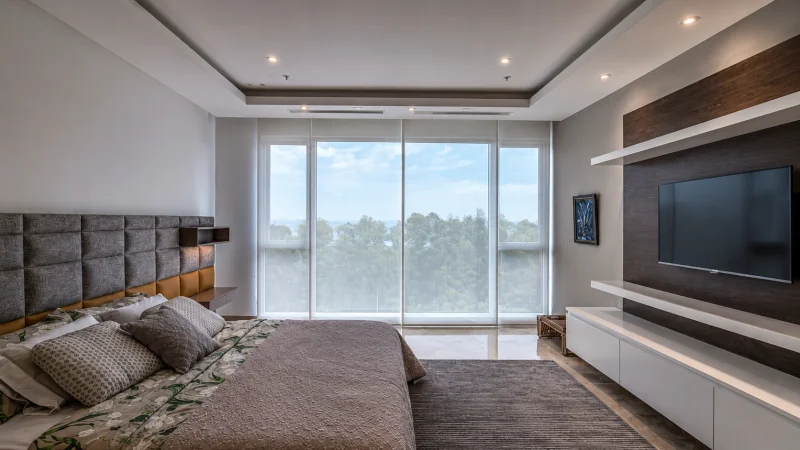
The hospitality industry has always embraced innovation, but today’s most advanced hotels are doing far more than installing smart TVs or replacing old HVAC equipment. Around the world, luxury brands, lifestyle hotels, and forward-thinking operators are building intelligent ecosystems where guest room technology, building automation, artificial intelligence, and digital services work together to create a seamless experience.
As labor shortages continue, guest expectations evolve, and energy costs rise, hospitality technology has become one of the most important investments a hotel can make. The world’s leading properties are proving that technology isn’t replacing hospitality; it is enhancing it.
Smart Guest Rooms That Adapt Automatically
Modern hotel rooms have evolved into connected environments capable of responding to guest preferences almost instantly.
Many luxury properties now integrate occupancy sensors, connected thermostats, motorized blinds, lighting controls, and hospitality televisions into a centralized room management platform. Rather than adjusting each device individually, guests can control the entire room through a mobile app, bedside tablet, voice assistant, or television interface.
Some hotels even remember returning guests’ preferred room temperatures, lighting scenes, television settings, and wake-up schedules, creating a personalized experience from the moment they check in.
This level of automation not only improves guest satisfaction, but also reduces unnecessary energy consumption when rooms are vacant.
Mobile-First Guest Experiences
Today’s travelers increasingly expect to use their smartphones throughout their stay.
Many hotels now offer:
- Mobile check-in and check-out
- Digital room keys
- Mobile room service ordering
- Chat-based concierge services
- Spa and restaurant reservations
- Housekeeping requests
- Real-time maintenance reporting
Rather than requiring guests to visit the front desk, these digital services provide convenience while allowing hotel staff to focus on more meaningful personal interactions.
For business travelers especially, eliminating friction has become one of the biggest competitive advantages a hotel can offer.
Hospitality TVs Have Become Digital Guest Portals
Hospitality televisions are no longer simply entertainment devices.
Modern Samsung, LG, and Philips hospitality TVs now function as interactive guest communication hubs.
Guests can securely cast content from their personal devices without sharing passwords, browse hotel amenities, order food, request housekeeping, explore local attractions, and even complete express checkout directly from the television.
Cloud-based content management systems also allow hotel operators to instantly update promotional messages, restaurant specials, emergency notifications, loyalty program information, and property branding across hundreds or even thousands of guest rooms simultaneously.
For hotel operators, these systems transform televisions from operational expenses into valuable guest engagement platforms.
Artificial Intelligence Is Enhancing Hotel Operations
Artificial intelligence is becoming one of the most influential technologies in hospitality.
AI-powered revenue management platforms continuously analyze booking patterns, local events, weather forecasts, airline schedules, and competitor pricing to optimize room rates in real time.
Guest service is also evolving through AI-powered chat assistants capable of answering common questions, recommending local attractions, scheduling housekeeping, and handling routine service requests around the clock.
Behind the scenes, AI is helping hotel management predict maintenance needs, forecast staffing requirements, monitor guest sentiment across online reviews, and identify operational inefficiencies before they become costly problems.
Rather than replacing hotel employees, AI allows staff to dedicate more time to personalized guest service.
Energy Management Has Become a Competitive Advantage
Energy efficiency has become one of the fastest-growing areas of hospitality technology.
Advanced hotels now combine:
- Smart thermostats
- Occupancy sensors
- Variable-speed HVAC systems
- Intelligent lighting controls
- Building automation platforms
- Energy analytics software
When guests leave their rooms, these systems automatically reduce HVAC usage, adjust lighting, and minimize unnecessary energy consumption without compromising comfort.
Modern inverter-based PTAC and VTAC systems are especially valuable because they continuously adjust compressor speeds instead of cycling on and off, reducing electricity usage while maintaining more consistent room temperatures.
With sustainability becoming increasingly important to travelers, these technologies support both operational savings and environmental goals.
High-Speed Connectivity Powers Everything
None of these innovations would function without reliable network infrastructure.
Today’s leading hotels invest heavily in enterprise-grade Wi-Fi, fiber connectivity, secure network segmentation, and cloud-based management platforms capable of supporting thousands of simultaneously connected devices.
From IPTV systems and digital signage to guest room televisions, smart locks, environmental controls, payment systems, and property management software, nearly every aspect of modern hospitality now depends on robust networking infrastructure.
Cybersecurity has therefore become equally important, protecting both hotel operations and sensitive guest information from increasingly sophisticated threats.
Data Is Driving Better Guest Experiences
Perhaps the biggest transformation is how hotels use data responsibly to improve service.
Modern hospitality platforms can analyze anonymous usage patterns to understand how guests interact with hotel amenities, entertainment systems, room controls, restaurants, and loyalty programs.
These insights help operators make smarter investment decisions, optimize staffing, improve marketing campaigns, and enhance future guest experiences.
When combined with customer relationship management (CRM) systems, hotels can deliver increasingly personalized stays while maintaining appropriate privacy and security standards.
The Future of Hospitality Technology
The world’s most technologically advanced hotels are demonstrating that successful innovation is not about purchasing the newest gadget; it is about creating connected ecosystems where every system works together.
Hospitality TVs communicate with property management systems. Smart HVAC units integrate with occupancy sensors. Mobile applications connect guests with hotel services. Artificial intelligence assists employees behind the scenes. Building automation reduces operating costs while improving sustainability.
As guest expectations continue to evolve, hotels that invest in integrated hospitality technology will be better positioned to improve operational efficiency, strengthen guest loyalty, and remain competitive in an increasingly digital marketplace.
The future of hospitality is not defined by individual devices, but by intelligent, interconnected technology that quietly enhances every stage of the guest journey, from online booking to checkout.
Ti potrebbe interessare:
Segui guruhitech su:
- Google News: bit.ly/gurugooglenews
- Telegram: t.me/guruhitech
- Facebook: facebook.com/guruhitechfb
- Instagram: instagram.com/guruhitech_official/
- X (Twitter): x.com/guruhitech1
- Bluesky: bsky.app/profile/guruhitech.bsky.social
- Rumble: rumble.com/user/guruhitech
- VKontakte: vk.com/guruhitech
- MeWe: mewe.com/i/guruhitech
- Skype: live:.cid.d4cf3836b772da8a
- WhatsApp: bit.ly/whatsappguruhitech
Esprimi il tuo parere!
Ti è stato utile questo articolo? Lascia un commento nell’apposita sezione che trovi più in basso e se ti va, iscriviti alla newsletter.
Per qualsiasi domanda, informazione o assistenza nel mondo della tecnologia, puoi inviare una email all’indirizzo [email protected].
Scopri di più da GuruHiTech
Abbonati per ricevere gli ultimi articoli inviati alla tua e-mail.