
The Evolution of Regional Business Ecosystems: Why Static Web Design No Longer Cuts It
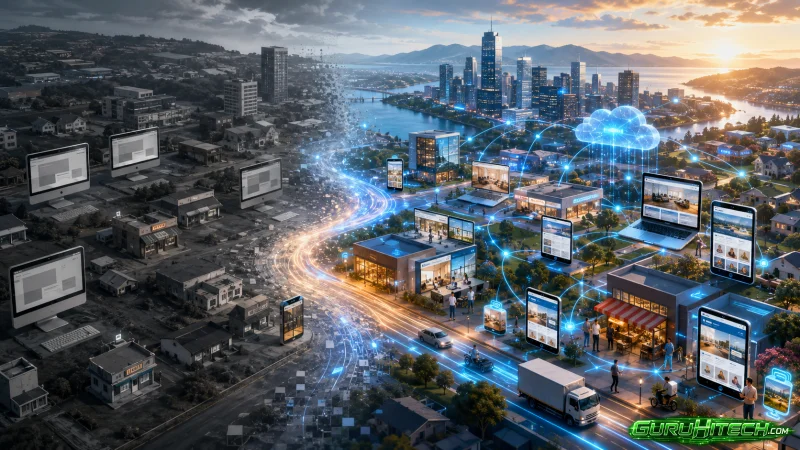
The modern corporate storefront is no longer made of brick and mortar; it is forged in code, pixels, and user psychology. For years, regional businesses could survive on basic websites that merely functioned as digital yellow page listings. As long as your address, phone number, and a rough outline of your services were online, you could expect a steady stream of local traffic.
That baseline has evaporated. Consumers are flooded with digital interactions, which has significantly lowered their patience for subpar experiences. A slow-loading page, an unoptimized mobile menu, or a confusing navigation system will cause potential customers to leave your site and choose a competitor instead. For regional brands looking to grow, their digital presence must change from a passive business card into an active engine for revenue and customer acquisition.
1. Visual Intentionality and the Dark UI Movement
One of the most profound shifts in modern interface design is the move toward high-contrast, atmospheric aesthetics. While stark white backgrounds were once the corporate default, sophisticated dark modes and rich color palettes have taken center stage.
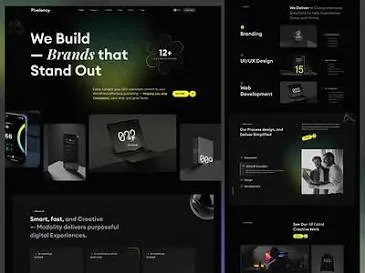
This design shift goes beyond simple visual preference; it directly addresses user behavior. A dark user interface (UI) reduces eye strain during evening browsing sessions, preserves device battery life, and creates a premium feel that instantly elevates a brand’s credibility. By combining these deeper tones with clean, spacious layouts and purposeful color accents, brands can effortlessly guide a visitor’s eyes directly toward high-value conversion points, such as contact forms or product showcases.
2. Omnichannel Fluidity and True Responsive Engineering
Mobile optimization used to mean squeezing a desktop website into a smaller smartphone screen. Today, true responsive design flips that framework completely, often prioritizing mobile-first workflows. Because regional traffic heavily originates from smartphones—such as a user searching for an immediate service while on the move—the mobile layout cannot feel like a stripped-down version of your desktop site.
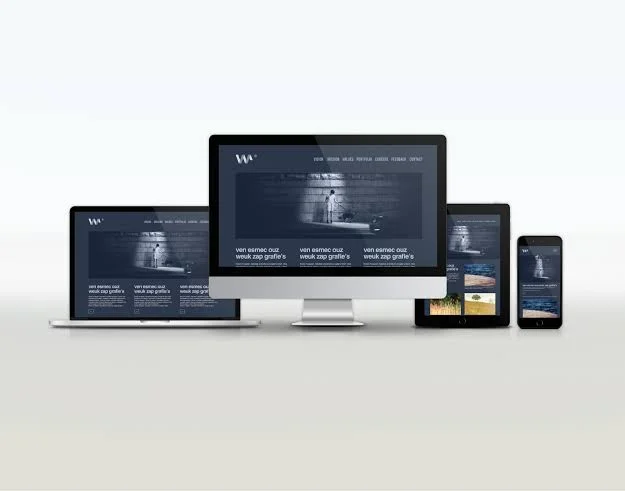
Every structural break, touch target, and image scale factor must automatically adapt to the specific device being used. If a button is too small to tap comfortably on a mobile screen, or if a table forces users to scroll horizontally, the user experience breaks down. Modern responsive systems utilize fluid grids and flexible asset rendering to ensure the brand presentation remains perfect on everything from large desktop monitors to compact phone screens.
3. The Power of Localized Search and High-Intent Discovery
While massive corporations focus on broad, national search terms, local and regional businesses win by targeting high-intent local queries. When a consumer searches for a specialized solution in their immediate area, search engines use complex geographic filters to deliver highly relevant local options.
To capture these high-value opportunities, a website’s underlying code must be optimized for local search engine optimization (SEO). This requires embedding clean localized schema data, implementing custom geographic landing pages, and optimizing site speed so the platform loads instantly on mobile networks. When a brand effectively blends high-end design with local search visibility, it establishes immediate authority exactly when a consumer is ready to buy.
4. The Critical Role of Web Performance: Speed as a Feature
A beautiful design is useless if your audience leaves before the page finishes loading. Performance is a cornerstone of effective user experience, and search engines actively reward faster websites.
[User Clicks Link] ──> [Server Response] ──> [Largest Contentful Paint (LCP)] ──> [Interactive Ready]
│ │
Must be < 200ms Must be < 2.5 seconds
Optimizing this pipeline requires careful asset management. This includes serving modern image formats like WebP, implementing lazy loading so below-the-fold content loads only when needed, and minimizing heavy JavaScript code that slows down browser rendering. Maintaining a fast, responsive site keeps users engaged and drives higher overall conversion rates.
5. Merging Technical Precision with Authentic Local Expertise
Building an elite digital presence requires a specialized combination of design expertise, search engine optimization strategy, and clean engineering. For businesses trying to stand out in competitive regional corridors, off-the-shelf templates and generic site builders simply cannot deliver the competitive edge required to scale.
If your strategic objective is to secure a dominant market position within Durham Region and beyond, partnering with a premier Web Design Company Whitby ensures your digital asset is custom-engineered to perform. A dedicated local partner understands the regional competitive landscape, building custom platforms that combine stunning visuals with elite technical performance. From tailored user journey mapping to highly optimized lead generation systems, professional development transforms an ordinary website into an invaluable corporate asset.
Digital Performance Audit for Local Growth
To evaluate how well your current website supports your business objectives, review your system performance against these key technical benchmarks:
| Optimization Vector | Ideal Target | Business Value |
| Largest Contentful Paint (LCP) | Under 2.5 Seconds | Minimizes early bounce rates by displaying core page content almost instantly. |
| Interaction to Next Paint (INP) | Under 200 Milliseconds | Ensures a snappy, responsive feel when users interact with menus or forms. |
| Mobile Speed Grade | 90+ on PageSpeed Insights | Directly impacts your visibility and rankings in mobile search results. |
| Accessibility Standard | WCAG 2.2 AA Compliance | Ensures a smooth, usable experience for all visitors, including those using assistive tech. |
The Conversion Truth: Your website is your most valuable sales representative, working 24 hours a day, 7 days a week. If it feels dated, runs slowly, or frustrates mobile users, it is actively turning away qualified leads.
The future of regional business growth belongs to organizations that treat their digital platforms as core strategic assets. Moving away from rigid, generic templates and investing in fast, accessible, and hyper-localized design allows you to elevate your brand presence and build a scalable foundation for long-term growth.
Scopri di più da GuruHiTech
Abbonati per ricevere gli ultimi articoli inviati alla tua e-mail.