
The Lasting Value and Versatility of Retractable Awnings in Modern Living Spaces
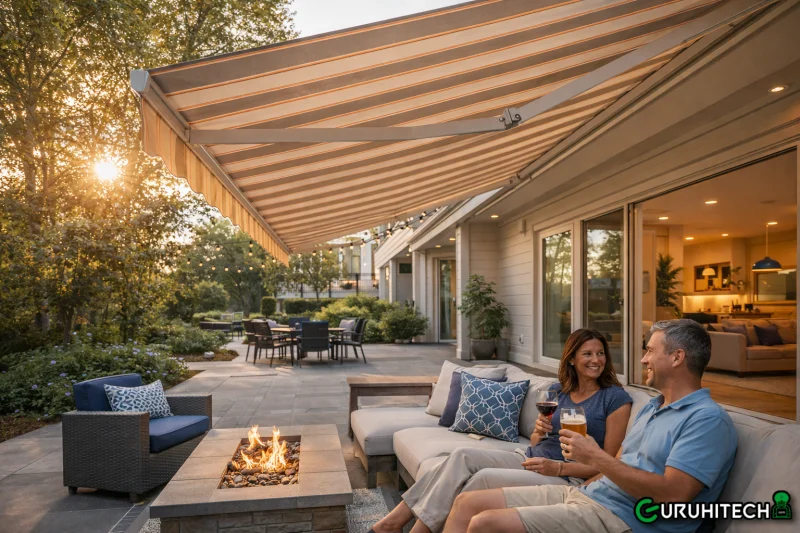
Outdoor areas have become an increasingly important extension of residential and commercial spaces. Patios, decks, terraces, and open seating areas are no longer treated as occasional-use zones but as functional environments that contribute to comfort, aesthetics, and property value. As this shift continues, shade solutions have evolved to meet growing expectations for flexibility, durability, and visual appeal. Among these solutions, retractable awnings stand out as a practical and adaptable option for managing sunlight, weather exposure, and outdoor usability.
Unlike permanent structures, retractable systems provide adjustable coverage that can be customized to changing conditions. This adaptability has made them popular among property owners who want control without committing to a fixed installation. Understanding their benefits, functionality, and long-term value helps clarify why they are increasingly viewed as a smart investment rather than a luxury addition.
Understanding How Retractable Awnings Work
Retractable awnings are designed to extend and retract as needed, providing shade when required and allowing open sunlight when conditions are favorable. The system typically consists of a fabric canopy, support arms, a roller tube, and a mounting structure. Depending on the design, operation can be manual or motorized, offering varying levels of convenience and control.
When extended, the awning creates a shaded area that reduces direct sun exposure and helps regulate temperature. When retracted, it preserves an open view and protects the fabric from unnecessary wear. This simple yet effective mechanism allows users to adapt their space throughout the day and across seasons.
The increasing popularity of Retractable Awnings is closely tied to this balance between functionality and flexibility. Instead of committing to constant shade, users can decide exactly when and how much coverage they want, making outdoor areas far more versatile.
Enhancing Comfort and Usability of Outdoor Spaces
Comfort is one of the primary reasons people invest in retractable shading systems. Direct sunlight can make outdoor areas uncomfortable, particularly during warmer months or peak daylight hours. By providing adjustable shade, awnings create a cooler and more inviting environment for relaxation, dining, or social gatherings.
In addition to temperature control, retractable awnings reduce glare, which is especially valuable for spaces near windows or glass doors. This benefit extends indoors as well, where reduced glare can improve comfort and protect interior furnishings from excessive sunlight.
The ability to fine-tune coverage means outdoor spaces remain usable in a wider range of conditions. Whether hosting guests, enjoying quiet time, or conducting business activities, shade control directly enhances how these spaces are experienced and utilized.
Energy Efficiency and Environmental Benefits
One often overlooked advantage of retractable awnings is their contribution to energy efficiency. By blocking direct sunlight from entering through windows and doors, awnings can significantly reduce indoor heat buildup. This, in turn, lessens the demand on cooling systems, leading to lower energy consumption and reduced utility costs.
Because retractable systems can be adjusted or fully withdrawn, they allow sunlight to enter during cooler periods when passive heating is desirable. This dynamic approach to temperature regulation aligns well with modern sustainability goals, offering an environmentally responsible way to manage indoor comfort.
As more property owners seek energy-conscious solutions, retractable awnings are increasingly recognized as a practical tool for balancing comfort and efficiency without relying solely on mechanical climate control.
Aesthetic Versatility and Design Integration
Design flexibility is another key strength of retractable awnings. Available in a wide range of fabrics, colors, patterns, and frame finishes, they can be tailored to complement virtually any architectural style. Whether the goal is a subtle, neutral appearance or a bold visual statement, customization options allow awnings to blend seamlessly with existing design elements.
Modern fabric technologies have also improved durability and appearance. High-quality materials resist fading, moisture, and mildew, ensuring that awnings maintain their visual appeal over time. Clean lines and streamlined mechanisms further contribute to a polished, contemporary look.
Because they can be retracted when not in use, awnings preserve the original façade of a building. This makes them especially appealing to those who want functionality without permanently altering the structure’s appearance.
Durability and Long-Term Performance
Durability is a critical consideration when investing in any exterior feature. Retractable awnings are designed to withstand regular use and exposure to the elements, provided they are properly installed and maintained. The ability to retract the canopy during harsh conditions helps extend its lifespan by minimizing unnecessary stress on the fabric and mechanical components.
Routine maintenance, such as cleaning the fabric and inspecting moving parts, ensures smooth operation and long-term performance. Many modern systems are engineered with corrosion-resistant materials and reinforced joints, further enhancing reliability.
Over time, the durability of retractable awnings translates into cost-effectiveness. By reducing wear through controlled use, owners can enjoy consistent performance without frequent replacements or repairs.
Convenience Through Modern Technology
Technological advancements have significantly improved the convenience of retractable awnings. Motorized systems allow users to extend or retract the awning with the push of a button, eliminating the need for manual operation. Some systems can even be integrated with smart home platforms, enabling remote control and automation.
Weather sensors add another layer of functionality. These sensors can automatically retract the awning during strong winds or extend it when sunlight reaches a certain intensity. Such features enhance safety and protect the system from damage while reducing the need for constant monitoring.
Technology-driven convenience has made retractable awnings more accessible and user-friendly, appealing to a broader range of users with varying preferences and needs.
Commercial Applications and Business Advantages
While retractable awnings are commonly associated with residential settings, they also offer significant advantages for commercial spaces. Restaurants, cafés, retail storefronts, and hospitality venues often rely on outdoor areas to attract customers and increase seating capacity. Adjustable shade allows these spaces to remain comfortable and visually appealing throughout the day.
Awnings can also serve as subtle branding elements, reinforcing a business’s identity through coordinated colors and designs. By creating a welcoming exterior, businesses can enhance curb appeal and encourage foot traffic.
In commercial environments, retractable awnings provide flexibility that fixed structures cannot match. They allow businesses to adapt quickly to changing weather conditions, maximizing the usability of outdoor areas without compromising safety or comfort.
Installation Considerations and Planning
Proper installation is essential to ensure the performance and longevity of a retractable awning system. Factors such as mounting surface, load-bearing capacity, and exposure to wind must be carefully evaluated. Professional installation ensures that the awning operates smoothly and meets safety standards.
Planning also involves selecting the appropriate size, projection length, and operational features. An awning that is too small may provide insufficient coverage, while one that is too large could create structural stress. Thoughtful planning balances functionality with aesthetics and practicality.
By investing time in the planning process, property owners can ensure that their awning system delivers optimal performance and aligns with long-term usage goals.
Maintenance and Care for Optimal Results
Maintaining retractable awnings is relatively straightforward but essential for preserving their appearance and function. Regular cleaning prevents dirt buildup and prolongs fabric life. Retracting the awning during severe weather further reduces the risk of damage.
Mechanical components should be inspected periodically to ensure smooth movement and address any signs of wear. Following manufacturer guidelines for care and operation helps maintain warranty coverage and ensures consistent performance.
With proper maintenance, retractable awnings can remain an effective and attractive feature for many years, continuing to add value and comfort to outdoor spaces.
Conclusion
Retractable awnings represent a thoughtful blend of practicality, design, and adaptability. By offering adjustable shade, they enhance comfort, improve energy efficiency, and expand the usability of outdoor spaces across residential and commercial settings. Their versatility allows property owners to enjoy the benefits of coverage without sacrificing openness or aesthetic appeal.
As outdoor living and flexible design continue to gain importance, solutions that offer control and customization will remain in high demand. Retractable awnings meet these expectations by providing a reliable, durable, and visually appealing way to manage sunlight and weather exposure.
When chosen and maintained with care, they serve not only as a functional addition but as a long-term investment in comfort, efficiency, and overall property value.
Scopri di più da GuruHiTech
Abbonati per ricevere gli ultimi articoli inviati alla tua e-mail.