
The Growing Importance of Organized Truck Parking in Modern Transportation Systems
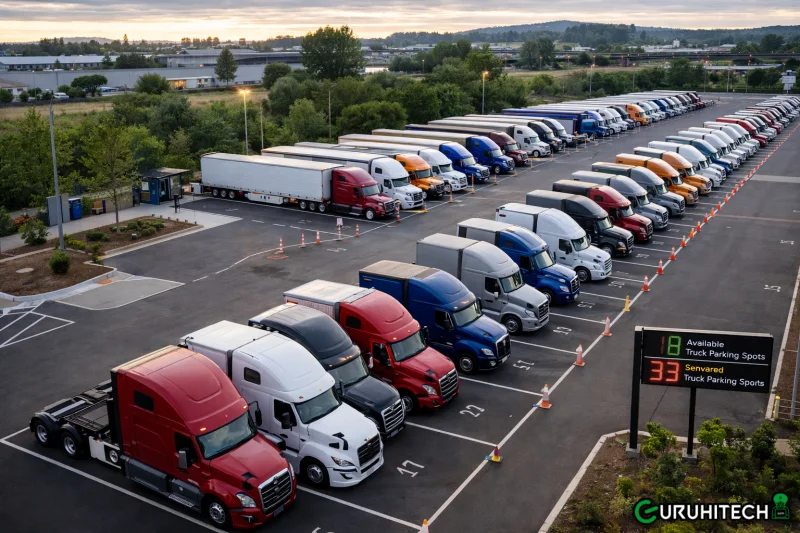
The trucking industry plays a foundational role in the movement of goods, supporting supply chains, retail operations, manufacturing, and countless other sectors that rely on timely deliveries. As freight volumes continue to rise and logistics networks grow increasingly complex, one issue has steadily moved from the background to the forefront of industry discussions: the availability, management, and efficiency of truck parking. While often overlooked by those outside the transportation sector, organized truck parking is essential for safety, compliance, driver well-being, and operational efficiency.
Truck parking is not simply about finding an empty space to stop a vehicle. It is a multifaceted challenge influenced by regulatory requirements, infrastructure planning, economic pressures, and evolving technologies. As the industry adapts to modern demands, the way truck parking is designed and utilized has become a key indicator of how well transportation systems are functioning overall.
Understanding the Role of Truck Parking in Freight Operations
Truck parking serves as a critical link between driving time, rest requirements, and delivery schedules. Commercial drivers operate under strict regulations that limit how long they can remain on the road without rest. These rules exist to reduce fatigue-related accidents and promote safer highways. Without sufficient parking options, drivers are often forced into unsafe or inefficient choices, such as stopping on highway shoulders or parking in unauthorized areas.
From an operational standpoint, reliable parking allows drivers to plan routes with greater confidence. Knowing that secure and accessible parking will be available at the end of a shift reduces stress and helps ensure that deliveries remain on schedule. In contrast, uncertainty around parking can lead to delays, missed appointments, and increased operational costs.
The concept of truck parking use has therefore expanded beyond convenience and now represents a core component of logistics planning. Fleet managers, infrastructure planners, and policymakers increasingly recognize that parking availability directly affects productivity and safety across the entire transportation network.
Safety Implications and Driver Well-Being
One of the most significant benefits of well-organized truck parking is improved safety. When drivers are unable to find appropriate parking, they may continue driving beyond safe limits or stop in hazardous locations. Both scenarios elevate the risk of accidents. Designated parking areas provide a controlled environment where drivers can rest without endangering themselves or others.
Driver well-being is another crucial factor. Long-haul trucking is physically and mentally demanding, requiring extended periods of concentration and isolation. Access to safe, clean, and well-maintained parking facilities allows drivers to rest properly, access basic amenities, and recover before returning to the road. Over time, this contributes to better health outcomes, lower turnover rates, and improved job satisfaction.
As the industry grapples with ongoing driver shortages, investments in parking infrastructure are increasingly seen as a way to make trucking a more sustainable and attractive profession. Enhancing truck parking use through thoughtful design and management directly supports the people who keep freight moving.
Economic Efficiency and Supply Chain Reliability
Beyond safety and well-being, truck parking has a measurable impact on economic efficiency. Delays caused by inadequate parking ripple through supply chains, affecting warehouses, retailers, and consumers. A single missed delivery window can disrupt inventory systems and lead to higher costs throughout the distribution process.
Efficient parking enables smoother transitions between driving, loading, unloading, and rest periods. When drivers can park close to their destinations or along optimized routes, fuel consumption decreases, idle time is reduced, and overall operational efficiency improves. These benefits accumulate across fleets, translating into cost savings and more predictable logistics performance.
In this context, optimizing truck parking use is not just an infrastructure issue but a strategic business concern. Companies that prioritize parking access and planning are better positioned to maintain reliability in an increasingly competitive market.
Infrastructure Challenges and Planning Considerations
Despite its importance, truck parking infrastructure has struggled to keep pace with industry growth. Freight volumes have increased steadily, yet parking capacity has often remained stagnant or grown only marginally. This imbalance is especially evident along major freight corridors, where demand routinely exceeds supply.
Infrastructure planning for truck parking involves several challenges. Land availability, zoning regulations, and funding constraints all influence where and how parking facilities can be developed. Additionally, parking must be integrated into existing transportation networks without disrupting surrounding communities or contributing to congestion.
Effective planning requires collaboration between public agencies, private operators, and industry stakeholders. By sharing data and aligning objectives, these groups can identify high-demand areas and prioritize investments that deliver the greatest impact. Strategic planning ensures that truck parking evolves in step with broader transportation needs rather than lagging behind them.
Technological Innovations in Truck Parking Management
Technology is playing an increasingly important role in addressing parking challenges. Digital platforms now allow drivers to locate available parking spaces in real time, reserve spots in advance, and receive alerts about facility conditions. These tools reduce uncertainty and help drivers make informed decisions during their routes.
For facility operators, technology provides insights into usage patterns, peak demand periods, and maintenance needs. Data-driven management enables more efficient allocation of resources and helps identify opportunities for expansion or improvement. Over time, these systems contribute to smarter truck parking use by aligning supply with actual demand.
Emerging technologies such as automated check-in systems, smart sensors, and integrated payment platforms further enhance the parking experience. As adoption increases, technology is expected to become a standard component of modern truck parking facilities, supporting both drivers and operators.
Environmental and Community Considerations
Truck parking also has environmental implications that must be carefully managed. Poorly planned or overcrowded parking areas can lead to excessive idling, increased emissions, and noise pollution. Conversely, well-designed facilities can incorporate features that minimize environmental impact, such as designated idle-reduction zones, efficient lighting, and proper waste management systems.
Community relations are another important consideration. Residents near major freight routes may have concerns about noise, traffic, and land use associated with truck parking. Transparent planning processes and thoughtful facility design can help address these concerns while still meeting industry needs.
Balancing environmental responsibility with operational requirements is an ongoing challenge. However, when approached strategically, improvements in truck parking use can support sustainability goals while maintaining efficient freight movement.
Regulatory Frameworks and Industry Standards
Regulations play a central role in shaping truck parking practices. Hours-of-service rules, safety standards, and zoning laws all influence where and how trucks can park. While these regulations are designed to protect drivers and the public, they can also create unintended challenges if parking infrastructure is insufficient.
Industry standards and best practices help bridge the gap between regulatory requirements and real-world conditions. Guidelines for facility design, security measures, and amenity provision establish benchmarks that operators can use to improve quality and consistency.
Ongoing dialogue between regulators and industry representatives is essential to ensure that rules remain practical and aligned with current conditions. When regulations are supported by adequate infrastructure, compliance becomes more achievable, and the overall system functions more smoothly.
The Future of Truck Parking Solutions
Looking ahead, the demand for truck parking is expected to continue growing alongside freight volumes and e-commerce activity. Addressing this demand will require a combination of infrastructure investment, technological innovation, and policy coordination.
Future solutions may include expanded public-private partnerships, greater use of underutilized spaces, and integration of parking planning into broader freight strategies. Advances in vehicle technology, such as autonomous features, may also influence parking needs and patterns over time.
What remains clear is that truck parking will remain a critical issue for the transportation sector. By recognizing its importance and investing in smart, scalable solutions, stakeholders can ensure that parking supports rather than constrains industry growth.
Conclusion
Truck parking is far more than a logistical afterthought; it is a vital component of safe, efficient, and sustainable freight transportation. From protecting drivers and improving safety to enhancing economic efficiency and supporting regulatory compliance, organized parking plays a central role in modern logistics systems.
As challenges continue to evolve, so too must the approaches used to manage and expand parking infrastructure. Through strategic planning, technological adoption, and collaborative efforts, the industry can improve truck parking use in ways that benefit drivers, businesses, and communities alike.
By treating truck parking as an essential investment rather than a peripheral concern, the transportation sector can strengthen its foundations and better meet the demands of a rapidly changing world.
Scopri di più da GuruHiTech
Abbonati per ricevere gli ultimi articoli inviati alla tua e-mail.