
The Smart Device Firewall: Navigating App Verification and Identity Leakage on Modern Software Platforms
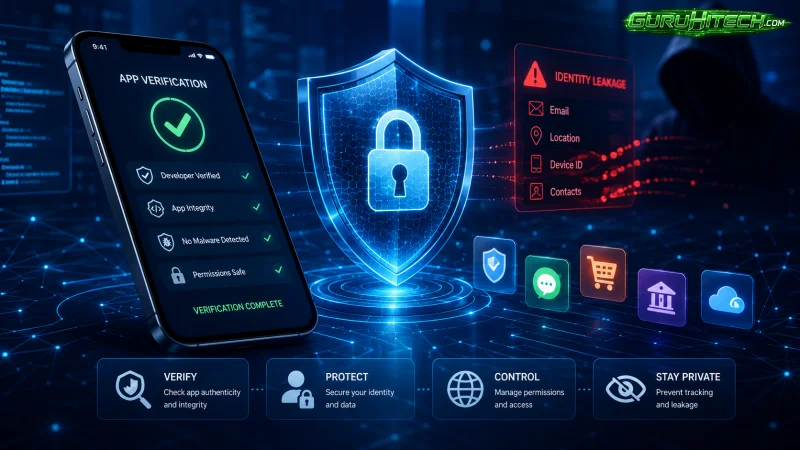
The modern digital playground requires a persistent exchange of personal data just to download a simple utility app, configure a smart home appliance, or register on a new technology forum. When testing out innovative applications or following tech guides on platforms like guruhitech.com, users are routinely blocked by aggressive mobile registration screens that demand a physical SIM card confirmation. Utilizing a usa number free connection during the setup phase offers an elegant way to preserve personal anonymity and isolate your private phone line from massive, corporate data-harvesting networks.
Every connected device, smart TV, and mobile application communicates with remote servers that compile device profiles based on unique physical identifiers. When you type your personal phone number into a verification field, you allow the app’s parent company to link your real-world identity, location, and hardware setup to an advertising profile. This silent tracking occurs behind the scenes, turning your physical smartphone into a tracking beacon. Utilizing single-use virtual mobile numbers breaks this link entirely, providing a secure, disposable buffer that satisfies verification gateways while keeping your personal device invisible.
Geographic blocks and regional app locks add another layer of frustration for tech enthusiasts who want to explore software outside of their local market. Acquiring a free german phone number allows global users to bypass European regional checks, test localized German app interfaces, and log into continent-restricted platforms with ease. This cloud-hosted approach lets you test apps across global borders without paying for international carrier packages or managing physical drawers full of plastic SIM cards.
The Technical Architecture of Modern Trust Scores and App Fingerprinting
Security engines do not merely look at whether a phone number can receive a code – they analyze the technical DNA of the registration request in real time. Whenever an app or web service triggers a verification SMS, its backend security system runs a series of quiet checks to evaluate your profile’s legitimacy. Understanding these deep-level network checks is critical for developers, automation experts, and privacy advocates alike:
- Carrier Class Analysis: Systems scan the incoming phone number database to determine if the line belongs to a primary Mobile Network Operator (MNO) or a highly recycled, public VOIP block.
- IP and ASN Alignment: Security algorithms flag accounts if the registering IP address coordinates do not match the country code of the phone number.
- Device Telemetry: Platforms analyze browser canvas data, active screen resolutions, and operating system variables to detect automated simulators.
Using cheap, public-pool phone numbers is a major risk, as they are heavily scraped and rapidly blacklisted by automated fraud prevention systems. Professional virtual mobile infrastructures overcome this hurdle by providing clean, single-user numbers that are leased to only one client at a time. When paired with high-quality mobile proxies running at standard 4G/5G speeds (10-50 Mbps), your registration requests appear indistinguishable from an organic, physical smartphone user. This high-trust configuration yields up to a 98% scraping success rate and seamless account activations on even the most sensitive tech platforms.
Optimizing Network Parameters for Smooth Signups
Timing is a critical variable in automated registration pipelines and app testing. If your virtual number routing experiences high latency, the verification OTP (One-Time Password) code may arrive long after the web page session has timed out, triggering an automatic account lock. Advanced virtual networks are optimized to align with modern 5G latency standards of <20ms, delivering the verification SMS to your private dashboard within seconds of the request.
Furthermore, managing network variables at the packet level is essential to prevent anti-bot systems from flagging your manual or automated setups. Configuring your connection headers to set a Maximum Transmission Unit (MTU) of 1500 and a Time to Live (TTL) of 64 replicates the precise network fingerprint of a real device connecting over a local cellular tower. This complete alignment prevents security systems from identifying your browser as an automated script, protecting your newly registered developer profiles and smart-home portals from automated ban sweeps.
Combating Ad Fraud and Hardening Digital Portals
The global technology sector suffers $40B+ ad fraud losses annually – a massive financial leak that forces tech companies to build highly aggressive defensive systems. These systems actively monitor for synthetic user networks, multi-account registration farms, and automated scrapers. If you run a small tech business, test local app deployments, or manage multiple promotional profiles, your accounts can easily get caught in these massive, automated sweeps if your network footprint is poorly insulated.
Beyond bot mitigation, decoupling your phone identity from physical plastic SIM cards provides an incredibly strong defense against physical mobile exploits like SIM-swapping. In a typical SIM-swap attack, a hacker uses social engineering to trick a mobile carrier’s support staff into porting your phone line to a malicious device, instantly giving them access to your two-factor authentication (2FA) codes. Because cloud-based virtual numbers exist independently of a physical SIM card, they cannot be compromised at the hardware carrier level, providing an exceptionally secure anchor for your critical financial, gaming, and developer accounts.
Structured Roadmap for Hardening Your Digital Footprint
Achieving a reliable, high-trust digital presence requires a systematic strategy to coordinate your connection, location, and device headers into a single, secure identity.
| Phase | Target Action | Technical Target | Operational Outcome |
|---|---|---|---|
| 1 | Acquire Dedicated Numbers | Rent clean, single-client virtual mobile numbers | Stops target tracking and prevents database leaks from exposing your physical SIM card |
| 2 | Synchronize Geolocation | Deploy high-speed proxies matching the phone’s country code | Bypasses regional app locks and maintains maximum trust scores across security engines |
| 3 | Align Connection Headers | Set MTU to 1500 and TTL to 64 on all registration traffic | Masks automated requests as authentic, device-based mobile interactions |
| 4 | Establish Long-Term Access | Bind 2FA backup profiles to dedicated, long-term virtual leases | Guarantees permanent, private access to key accounts without hardware dependency |
This organized methodology protects developers and everyday tech enthusiasts alike. Whether you are running compatibility tests on a newly compiled app, registering smart home appliances, or joining global tech communities, keeping your verification assets isolated is the most reliable way to maintain a solid defense against data profiling and tracking.
Future-Proofing Your Privacy in an Interconnected World
The push toward mandatory phone-based identity verification is not slowing down. As tech networks, application suites, and smart home appliances implement more complex verification parameters, relying on a single physical phone line for all your registrations becomes an escalating security vulnerability. Your physical phone number connects your banking apps, private messages, and geographical location to a single point of failure, leaving you vulnerable to digital profiling.
Utilizing a professional, cloud-based virtual mobile infrastructure gives you the freedom to test, scale, and communicate globally without boundaries. By removing the physical limitations of traditional SIM cards and utilizing clean, single-client virtual numbers, you retain full control over your digital footprint, bypass geographical locks, and keep your sensitive personal data entirely under your own supervision.
Ti potrebbe interessare:
Segui guruhitech su:
- Google News: bit.ly/gurugooglenews
- Telegram: t.me/guruhitech
- Facebook: facebook.com/guruhitechfb
- Instagram: instagram.com/guruhitech_official/
- X (Twitter): x.com/guruhitech1
- Bluesky: bsky.app/profile/guruhitech.bsky.social
- Rumble: rumble.com/user/guruhitech
- VKontakte: vk.com/guruhitech
- MeWe: mewe.com/i/guruhitech
- Skype: live:.cid.d4cf3836b772da8a
- WhatsApp: bit.ly/whatsappguruhitech
Esprimi il tuo parere!
Che ne pensi di questa notizia? Lascia un commento nell’apposita sezione che trovi più in basso e se ti va, iscriviti alla newsletter.
Per qualsiasi domanda, informazione o assistenza nel mondo della tecnologia, puoi inviare una email all’indirizzo [email protected].
Scopri di più da GuruHiTech
Abbonati per ricevere gli ultimi articoli inviati alla tua e-mail.